Ingredients
Equipment
Method
Safety Steps
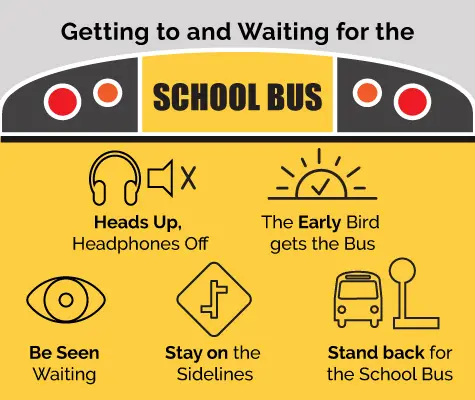
- Arrive at the bus stop five minutes early and wait at least ten feet from the curb.
- Never approach the bus until it has fully stopped, the door is open, and the driver signals it's safe to board.
- Always use the handrail for stability when boarding and exiting.
- Find a seat quickly, remain seated facing forward while the bus is in motion, and keep bags out of the aisle.
- Never extend any body parts or belongings out of the bus windows.
- Speak quietly and avoid distracting the bus driver.
- If crossing the street, walk ten feet in front of the bus, wait for the driver’s signal, make eye contact, and never cross behind the bus.
- Understand the ten-foot "danger zone" around the bus and never retrieve dropped items there until the bus has departed.
- Report any unsafe situations, bullying, or issues on the bus to a trusted adult.
- Regularly practice the bus stop routine and role-play safety scenarios.
- Always follow traffic laws around school buses, especially stopping when their red lights are flashing.
- Have periodic discussions about bus safety, especially at the beginning and middle of the school year.
- Occasionally observe your child at the bus stop and maintain open communication about their bus rides.
- Consider dressing your child in bright colors, labeling belongings discreetly, keeping an emergency contact card in their backpack, and understanding school district bus rules.
Notes
Consistent reinforcement and open communication with your child are key to successful school bus safety.