As a parent, I vividly remember the knot in my stomach the first time my oldest stepped onto that big yellow school bus. It’s a rite of passage, a symbol of growing independence, but for us grown-ups, it often comes with a whisper of worry. We want our children to travel safely to and from school, and understanding how to navigate the school bus system is a huge part of achieving that peace of mind. This guide is all about equipping you with the knowledge to make every bus ride a safe one for your child.
Why You’ll Love These Safety Tips
Let’s face it, your child’s safety is non-negotiable. While school bus travel is statistically one of the safest forms of transportation, being prepared and informed can only enhance that security. This isn’t just about avoiding accidents; it’s about fostering good habits, teaching responsibility, and ensuring your child feels confident and secure during their commute. These tips aren’t just for first-time bus riders; they’re a great refresher for any parent who wants to reinforce safe practices and stay aware of potential hazards. Knowing these guidelines contributes directly to a smoother, less stressful school year for everyone.
> “I thought I knew everything about bus safety, but this guide highlighted some things I’d never considered. So helpful!” — A Happy Parent
Preparing Your Child for Safe Bus Rides: A Step-by-Step Overview
Ensuring your child’s safety on the school bus involves a combination of parental guidance, driver responsibility, and your child’s awareness. It starts at home with a conversation, extends to the wait at the bus stop, covers behavior while on the bus, and finishes with a safe arrival and departure from school. We’ll break down each critical stage to help you cover all bases.
What You’ll Need
For these “tips,” you won’t need physical ingredients, but rather a few key preparations and attitudes:
- Patience and a clear communication style: To explain rules effectively to your child.
- A designated, safe bus stop location: Identified by the school district.
- Appropriate clothing and gear for your child: To ensure visibility and prevent snags.
- Your child’s cooperation and understanding: The most important “ingredient.”
Directions to Follow
Here are the top 9 essential school bus safety tips, broken down for clarity:
- Arrive Early and Stand Back: Teach your child to arrive at the bus stop at least five minutes before the scheduled pick-up time. Crucially, they should wait at a safe distance from the curb — at least ten feet (about five giant steps). This keeps them out of the “danger zone” around the bus.
- Wait for the Bus to Stop Completely: Instruct your child never to approach the bus until it has come to a full stop, the door is open, and the driver has signaled it’s safe to board. Rushing towards a moving or stopping bus is extremely dangerous.
- Use the Handrail When Entering/Exiting: Emphasize the importance of using the handrail while boarding and exiting the bus. This prevents falls, especially in wet or icy conditions.
- Find a Seat Quickly and Remain Seated: Once on board, your child should find a seat as quickly as possible and sit facing forward. Standing up or moving around while the bus is in motion is unsafe and distracting for the driver. Keep the aisle clear of bags.
- Keep Head, Hands, and Belongings Inside: Remind your child never to stick their head, arms, or hands out the bus window. This is incredibly dangerous and can lead to serious injury. Also, ensure backpacks and other items aren’t dangling or protruding.
- Speak Quietly and Don’t Distract the Driver: Teach your child that the bus driver’s primary responsibility is to safely operate the vehicle. Loud noises, yelling, or horseplay can distract the driver and create a dangerous situation. Keep conversations at a low volume.
- Know How to Cross the Street Safely: If your child needs to cross the street after getting off the bus, they should walk at least ten feet in front of the bus, wait for the driver’s signal, and make eye contact with the driver before crossing. They should never cross behind the bus.
- Be Aware of the “Danger Zone”: Explain the “danger zone” around the bus: the ten-foot area all around the bus where the driver may not be able to see them. Your child should never try to pick up anything dropped in this zone until the bus has left.
- Report Any Concerns to an Adult: Encourage your child to tell you or another trusted adult if they experience or witness anything unsafe on the bus, such as bullying, misbehavior, or a problem with the bus itself.
How to Make These Tips Stick
These aren’t just rules to be recited; they’re habits to be built.
- Practice makes perfect: Walk through the bus stop routine with your child a few times before school starts. Practice waiting, approaching the “imaginary bus,” and crossing the “street.”
- Lead by example: If you’re dropping off or picking up, always follow traffic laws around school buses, especially stopping when their red lights are flashing.
- Role-play scenarios: Ask “What would you do if…?” questions to help your child think through different situations proactively.
How to Store These Safety Habits for Long-Term Use
Think of these tips as foundational safety knowledge. You don’t “store” them in a pantry, but rather reinforce them periodically.
- Regular Refreshers: Have a quick chat about bus safety at the beginning of each school year, and perhaps mid-year, just to keep it fresh in their minds.
- Ongoing Observation: Occasionally observe your child at the bus stop discreetly to ensure they are following the rules.
- Open Communication: Maintain an open dialogue with your child about their bus rides. Ask about their day and if anything interesting or concerning happened on the bus.
Pro Parent Tips
- Bright Colors are Best: On bus stop days, especially in low light conditions, dress your child in bright clothing to make them more visible to drivers.
- Label Everything: Ensure backpacks, lunchboxes, and coats are clearly labeled with your child’s name and school, but avoid putting personal contact information on the outside where it’s easily visible to strangers.
- Emergency Contact Info: Have an emergency contact card inside your child’s backpack with your phone number and other critical details.
- Understand Your School District’s Rules: Each district may have specific guidelines for bus conduct. Familiarize yourself with their policy handbook.
- Introduce Yourself to the Driver: If possible, briefly introduce yourself to your child’s bus driver at the start of the year. A friendly relationship can be beneficial for communication.
Creative Twists (Beyond the Basics)
While bus safety is fairly standard, you can personalize the teaching of these rules:
- Make it a game: Turn bus safety instructions into a fun quiz or a “Simon Says” style activity.
- Create a visual aid: Draw a simple picture of a bus stop with your child, labeling the safe waiting zone and safe crossing area.
- Safety Song or Rhyme: For younger children, create a catchy song or rhyme about staying seated or waiting for the bus.
Common Questions
FAQ
Q1: What if my child misses the bus?
A1: Have a clear, pre-arranged plan with your child for what to do if they miss the bus. This might involve calling you, going back home, or reporting to a designated school office if they are going to school. Never have them walk alongside the road to try and catch up.
Q2: My child is being bullied on the bus. What should I do?
A2: Immediately inform the school administration. They have specific procedures for handling bullying on school transport and can involve the bus driver and other staff. Document incidents with dates and details.
Q3: How can I ensure other drivers are being safe around the bus?
A3: While you can’t control other drivers, you can educate yourself and advocate. Know the laws in your state regarding stopping for school buses (typically, you must stop when the red lights are flashing and the stop arm is extended). If you witness a repeated violation, you can report it to local law enforcement with details like license plate number, time, and location.
Q4: Is it safe for my child to wear a backpack on the bus?
A4: Yes, backpacks are common. Just ensure straps aren’t trailing and that your child keeps their bag on their lap or under the seat, not in the aisle, to avoid tripping hazards.
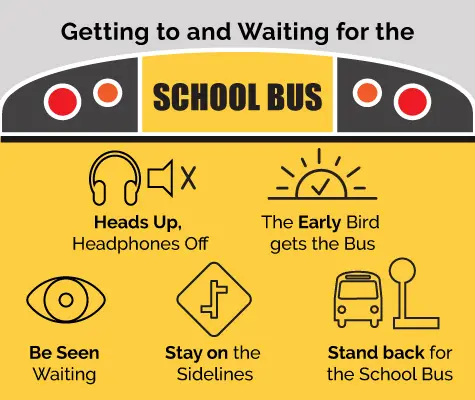
The Ultimate School Bus Safety Protocol
Ingredients
Equipment
Method
- Arrive at the bus stop five minutes early and wait at least ten feet from the curb.
- Never approach the bus until it has fully stopped, the door is open, and the driver signals it's safe to board.
- Always use the handrail for stability when boarding and exiting.
- Find a seat quickly, remain seated facing forward while the bus is in motion, and keep bags out of the aisle.
- Never extend any body parts or belongings out of the bus windows.
- Speak quietly and avoid distracting the bus driver.
- If crossing the street, walk ten feet in front of the bus, wait for the driver’s signal, make eye contact, and never cross behind the bus.
- Understand the ten-foot "danger zone" around the bus and never retrieve dropped items there until the bus has departed.
- Report any unsafe situations, bullying, or issues on the bus to a trusted adult.
- Regularly practice the bus stop routine and role-play safety scenarios.
- Always follow traffic laws around school buses, especially stopping when their red lights are flashing.
- Have periodic discussions about bus safety, especially at the beginning and middle of the school year.
- Occasionally observe your child at the bus stop and maintain open communication about their bus rides.
- Consider dressing your child in bright colors, labeling belongings discreetly, keeping an emergency contact card in their backpack, and understanding school district bus rules.