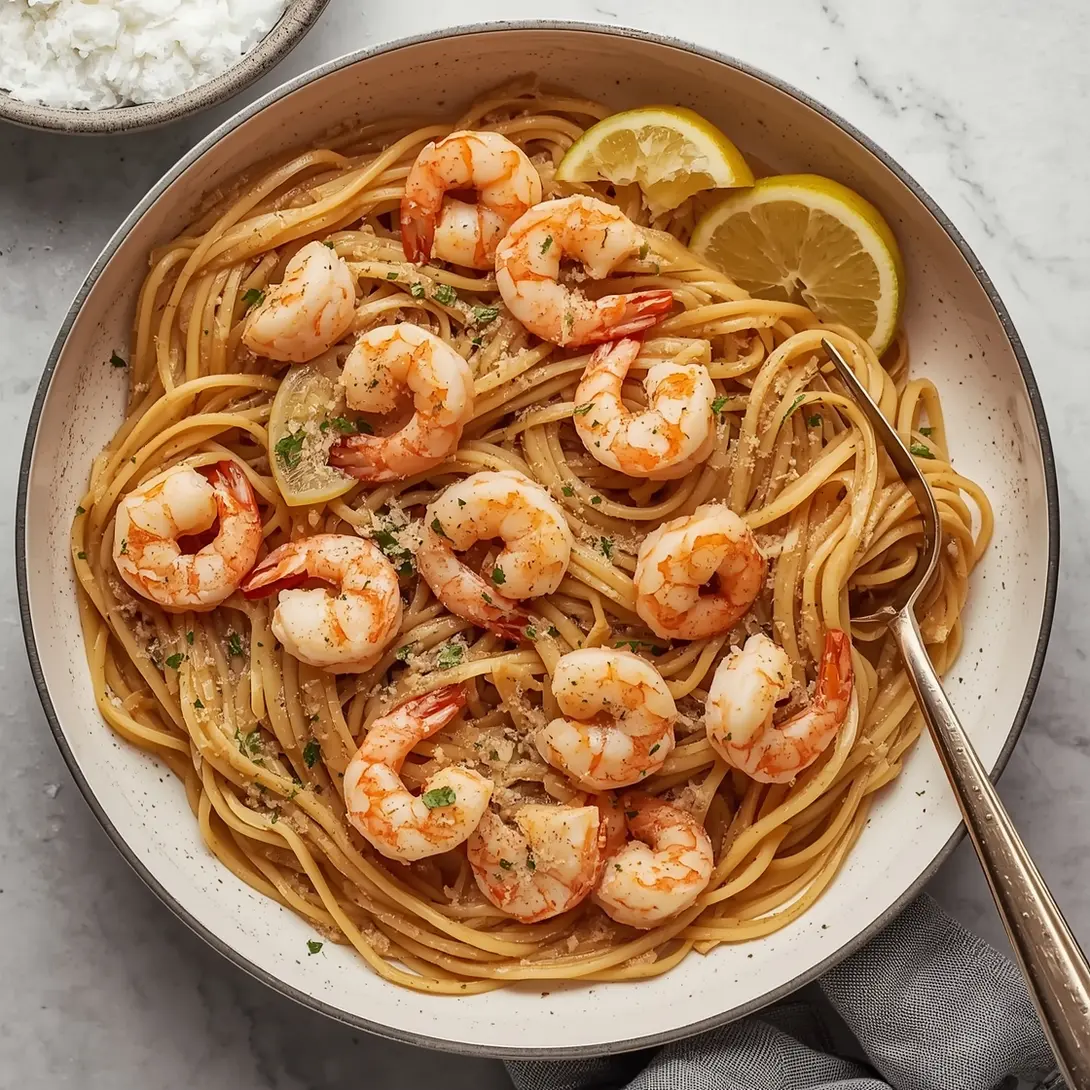
- Prep the pasta – Cook linguine until al dente, reserve a cup of starchy cooking water.
- Season the shrimp – Lightly coat with salt, pepper, and a pinch of red‑pepper flakes.
- Sauté aromatics – Garlic, shallots, and a splash of white wine create the flavor base.
- Cook shrimp – Quickly sear on both sides until just pink, then set aside.
- Wilt the spinach – Add to the pan, letting it release its moisture and absorb the garlic‑wine sauce.
- Combine – Toss the linguine, shrimp, and spinach together, using reserved pasta water to emulsify the sauce.
- Finish – Finish with lemon zest, a drizzle of olive oil, and freshly grated Parmesan for depth.
You’ll see the dish come together in one pan, meaning minimal cleanup and maximum flavor integration.
—Ingredient list
– Linguine – 12 oz (340 g) dried – Large shrimp – 1 lb (450 g), peeled and deveined – Fresh spinach – 4 cups (about 120 g), loosely packed – Garlic – 4 cloves, minced – Shallot – 1 medium, finely diced – White wine – ½ cup (dry; optional, can substitute broth) – Olive oil – 3 Tbsp, divided – Unsalted butter – 2 Tbsp – Red‑pepper flakes – ¼ tsp (optional for heat) – Lemon – zest of 1 lemon, plus 1 Tbsp juice – Parmesan cheese – ½ cup freshly grated – Salt & freshly ground black pepper – to taste – Fresh parsley – 2 Tbsp chopped, for garnish
Substitutions & notes – Pasta – Fettuccine or spaghetti works equally well. – Shrimp – Use peeled scallops or firm white fish for a pescatarian twist. – Spinach – Baby kale or arugula add a peppery edge. – Wine – If you avoid alcohol, use low‑sodium chicken broth with a splash of white‑wine vinegar.
—How to prepare it
- Boil the linguine – Bring a large pot of salted water to a rolling boil. Add linguine and cook 1‑2 minutes less than package directions (still a tad firm). Drain, reserving 1 cup of the cooking water, and set aside.
- Season the shrimp – Pat shrimp dry with paper towels. Sprinkle both sides with a pinch of salt, pepper, and red‑pepper flakes if you like a gentle kick.
- Heat the pan – In a wide, deep skillet, warm 2 Tbsp olive oil over medium‑high heat. When shimmering, add the shrimp in a single layer. Cook 1‑2 minutes per side until pink and just opaque. Transfer shrimp to a plate; cover loosely with foil to keep warm.
- Sauté aromatics – Reduce heat to medium. Add remaining 1 Tbsp olive oil and butter. Toss in minced garlic and diced shallot; stir for 30‑45 seconds until fragrant, being careful not to burn the garlic.
- Deglaze – Pour in the white wine (or broth) and scrape the browned bits from the pan’s bottom. Let the liquid reduce by half, about 2‑3 minutes.
- Wilt the spinach – Add the spinach in batches, allowing each handful to collapse before adding more. Stir until all the leaves are wilted and the pan looks glossy.
- Combine – Return the shrimp to the skillet. Add the drained linguine and toss everything together. If the sauce feels dry, drizzle in reserved pasta water a few tablespoons at a time until you reach a silky coating.
- Finish the flavor – Stir in lemon zest, lemon juice, and half of the grated Parmesan. Toss once more; taste and adjust seasoning with salt and pepper.
- Plate & garnish – Divide the pasta among warm plates, sprinkle the remaining Parmesan, and finish with a shower of chopped parsley. Serve immediately with extra lemon wedges on the side.
—Serving suggestions
– Elegant plating – Twirl the linguine into a nest using a large fork or tongs, nestle the shrimp on top, and drizzle a bit more olive oil for shine. – Side companions – A crisp arugula salad dressed with lemon vinaigrette balances the richness, while roasted garlic bread offers a crunchy contrast. – Wine pairing – A chilled Sauvignon Blanc or Pinot Grigio accentuates the citrus notes and cuts through the buttery sauce. – Family style – Serve the pasta in a shallow serving bowl, allowing guests to help themselves and sprinkle extra Parmesan at the table.
—The best way to save extras
– Refrigeration – Transfer leftovers to an airtight container within two hours of cooking. Store in the fridge for up to 3 days. – Reheating – Heat a splash of broth or water in a skillet over medium heat, add the pasta, and toss gently until warmed through. Avoid microwaving alone; it can dry the shrimp. – Freezing – This dish freezes best when the sauce is slightly thinner (add extra broth before freezing). Portion into freezer‑safe bags, remove excess air, and freeze for up to 2 months. Thaw overnight in the refrigerator, then reheat the same way as refrigerated leftovers. – Food‑safety tip – Shrimp should never sit out at room temperature for more than 2 hours. When reheating, ensure the internal temperature reaches 165°F (74°C).
—Tricks for success
- Don’t overcook the shrimp – They turn rubbery in seconds. Cook just until they turn pink and curl; they’ll finish cooking when the pasta is tossed back in.
- Use the pasta water – The starches act as a natural thickener, turning a simple butter‑wine reduction into a glossy emulsion. Add it gradually; you can always thin, but you can’t thicken without it.
- High heat, quick sauté – Keep the skillet hot enough to sear the shrimp fast, yet low enough for garlic to stay aromatic, not bitter.
- Fresh lemon matters – Zest and juice from a real lemon lift the whole dish; bottled juice can add unwanted preservatives.
- Season in layers – Salt the pasta water, season the shrimp, and finish with a pinch of salt at the end for balanced flavor.
—Creative twists
– Spicy sriracha swirl – Add 1 tsp sriracha to the wine reduction for a Thai‑inspired heat. – Creamy version – Stir in ¼ cup heavy cream after the wine reduces, then add a handful of grated Pecorino for a luxurious texture. – Mediterranean flair – Substitute sun‑dried tomatoes and Kalamata olives for spinach, and finish with crumbled feta. – Vegan adaptation – Replace shrimp with marinated king oyster mushroom “scallops” and use nutritional yeast instead of Parmesan. – Herb‑infused – Toss in fresh basil or thyme with the spinach for an aromatic lift.
—FAQ
Q: How long does the whole recipe take from start to finish? A: Roughly 25‑30 minutes, including pasta cooking time. Most of the time is spent on the skillet work, which is quick once the ingredients are pre‑pped.
Q: Can I use frozen shrimp, and will it affect the texture? A: Yes, you can. Thaw shrimp in the refrigerator overnight or place them in a sealed bag under cold running water for 5‑7 minutes. Pat them dry before seasoning; this prevents excess moisture that could steam rather than sear the shrimp.
Q: Is this recipe gluten‑free? A: Swap the traditional linguine for a gluten‑free pasta made from rice, corn, or quinoa. The cooking method stays the same, but keep an eye on the pasta water’s thickness, as gluten‑free noodles can release more starch.
Q: What if I don’t have fresh spinach? A: Frozen chopped spinach works in a pinch. Thaw, squeeze out excess water, and add it directly after the wine reduction—allow it to heat through before tossing with the pasta.
Q: How do I keep the dish from becoming too salty? A: Salt the pasta water lightly (it should taste like seawater). Taste the sauce after adding the Parmesan, then adjust with additional salt only if needed. Remember, the shrimp already brings a natural brininess.
—
Enjoy this Garlic Shrimp Linguine with Spinach as your go‑to quick‑fix pasta that feels indulgent, nourishes the body, and impresses the palate. With a handful of pantry staples, a splash of wine, and just a few minutes of attention, you’ll have a restaurant‑quality plate that’s ready to share—or keep all for yourself! 🍤✨
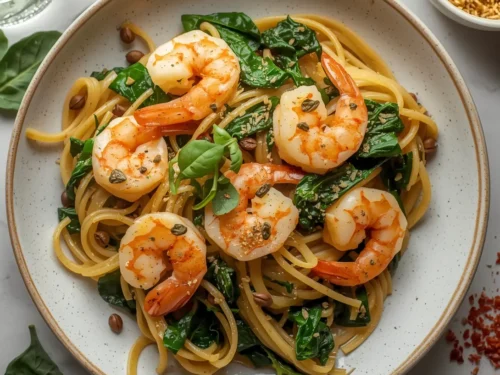
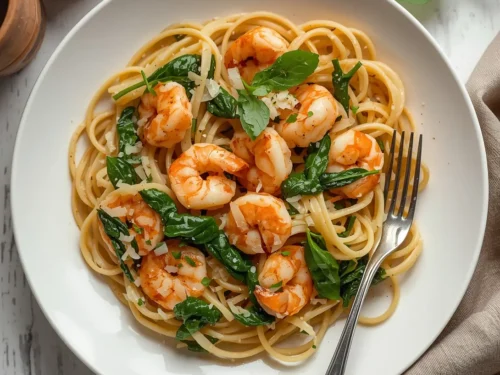
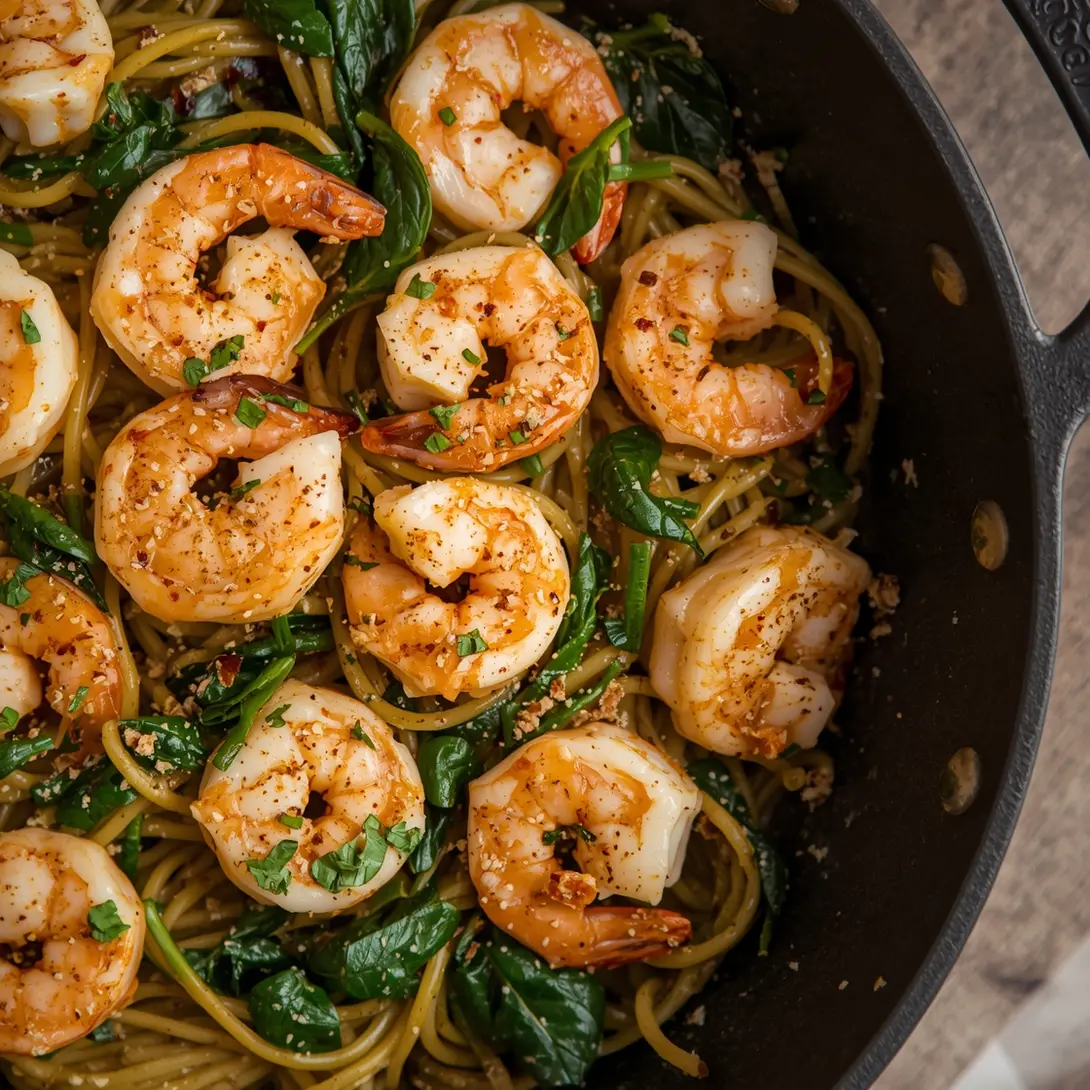
Classic Garlic Shrimp Linguine with Spinach
This classic garlic shrimp linguine with spinach is a quick and flavorful meal, combining tender shrimp and pasta in a zesty garlic-infused sauce.
Ingredients
Equipment
Method
Cooking Instructions
- Cook linguine in a large pot of salted boiling water for 1-2 minutes less than package directions until al dente.
- Drain the linguine, reserving 1 cup of the cooking water, and set aside.
- Pat the shrimp dry with paper towels and season with salt, pepper, and red-pepper flakes if desired.
Notes
For extra flavor, you can marinate the shrimp in a little olive oil and garlic for 15 minutes before cooking. Adjust the amount of red pepper flakes to your preferred level of spice. A good quality white wine will enhance the sauce, but broth works well as a substitute.