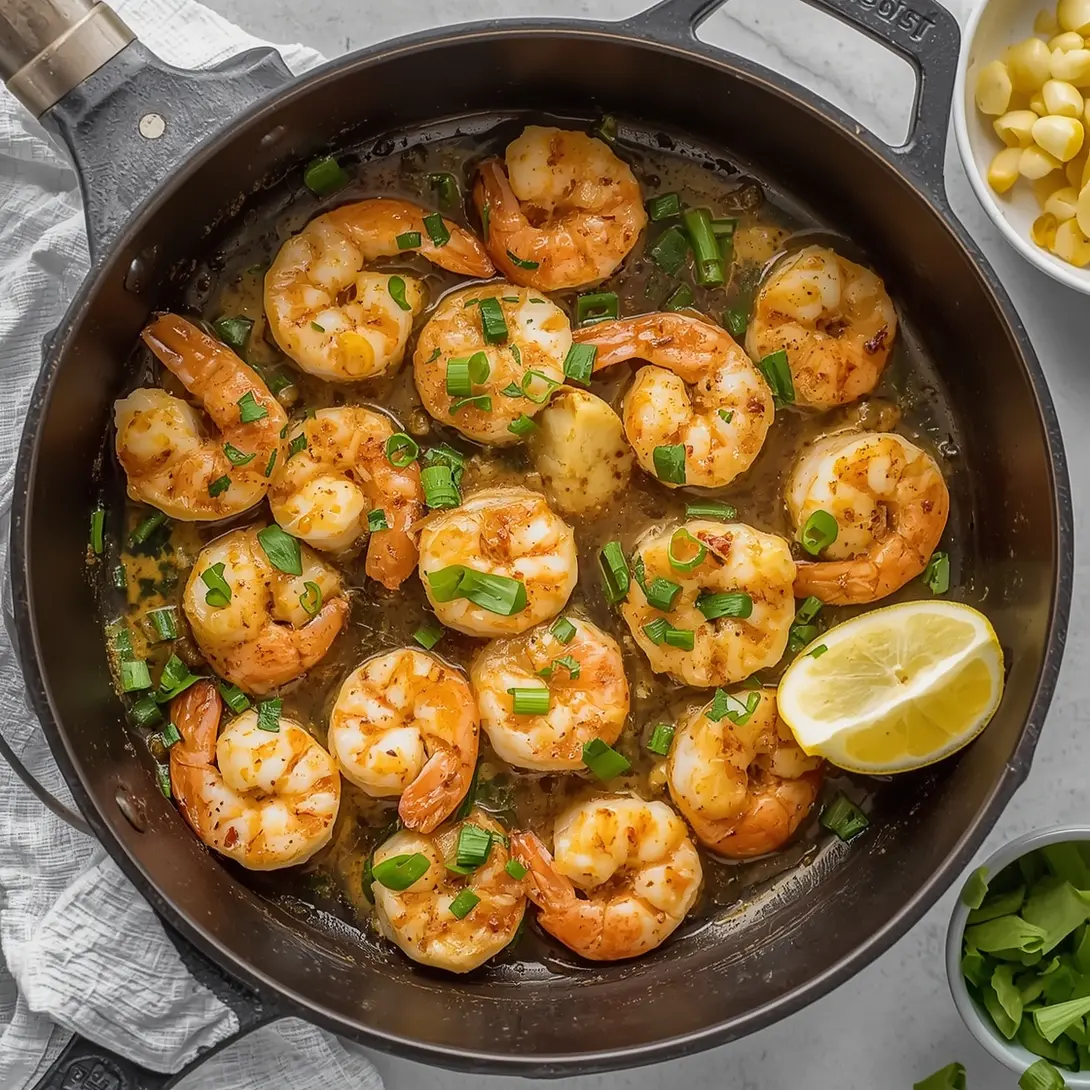
- Season & sear – Lightly coat the shrimp in salt, pepper, and a pinch of paprika, then give them a quick, high‑heat sear. This creates a caramelized crust while keeping the interior tender.
- Sauté aromatics – In the same pan, melt butter, add minced garlic, and let it perfume the pan without burning.
- Deglaze & build sauce – Splash in a splash of white wine or chicken broth to lift the browned bits, then pour in heavy cream, lemon zest, and a dash of Parmesan for richness.
- Combine & finish – Return the shrimp to the pan, let the sauce coat every piece, and finish with fresh herbs and a squeeze of lemon juice.
- Plate & serve – Spoon the glossy mixture over your chosen base, garnish, and enjoy within minutes.
Understanding this flow helps you anticipate timing: while the shrimp sears, you can prep the garlic and zest, ensuring everything comes together without a pause.
—What you’ll need
Creamy Garlic Butter Shrimp Skillet: 5 Easy Steps to a Perfect Dinner
Ingredient Amount Notes / Substitutions Large raw shrimp (peeled & deveined) 1 lb (about 450 g) Use tail‑on for presentation; if you prefer, substitute with scallops or firm white fish. Unsalted butter 4 Tbsp (½ stick) Can replace half with olive oil for a lighter flavor. Fresh garlic, minced 4 cloves Garlic powder works in a pinch (½ tsp). Dry white wine or low‑sodium chicken broth ¼ cup Wine adds depth; broth keeps it alcohol‑free. Heavy cream ½ cup Full‑fat makes the sauce silkier; half‑and‑half works for fewer calories. Fresh lemon zest 1 tsp Use pre‑zested lemon if time is tight. Fresh lemon juice 1 Tbsp Adjust to taste for extra brightness. grated Parmesan cheese 2 Tbsp Nutritional yeast works as a dairy‑free alternative. Paprika (sweet or smoked) ½ tsp Adds subtle color and warmth. Salt & freshly cracked black pepper To taste Sea salt gives a cleaner flavor. Fresh parsley, chopped 2 Tbsp Cilantro or basil can replace parsley for a different herb note. Optional: red‑pepper flakes ¼ tsp For a mild kick.
Tip: If you’re cooking for a crowd, simply double the ingredients and use a larger skillet or a shallow sauté pan.
—Directions to follow
- Pat the shrimp dry with paper towels; season both sides with salt, pepper, and paprika.
- Heat a large skillet over medium‑high heat. Add 2 Tbsp butter; let it melt until it foams.
- Sear the shrimp in a single layer—do not overcrowd. Cook 1–2 minutes per side until they turn pink and slightly golden. Transfer shrimp to a plate and set aside.
- Reduce heat to medium. Add the remaining 2 Tbsp butter. Toss in the minced garlic (and red‑pepper flakes, if using). Stir for 30 seconds, watching carefully to avoid burning.
- Deglaze the pan with the white wine or chicken broth. Scrape the browned bits from the bottom with a wooden spoon; let the liquid reduce by half, about 1 minute.
- Stir in the heavy cream, lemon zest, and Parmesan. Simmer gently for 2–3 minutes, allowing the sauce to thicken slightly.
- Return the shrimp to the skillet. Toss to coat, letting them heat through for another minute.
- Finish with lemon juice and a generous sprinkle of chopped parsley. Taste and adjust seasoning with extra salt or pepper if needed.
- Serve immediately over cooked rice, linguine, or cauliflower rice. Garnish with an extra pinch of parsley and a wedge of lemon.
—Best ways to enjoy “Creamy Garlic Butter Shrimp Skillet: 5 Easy Steps to a Perfect Dinner”
* Over a bed of fluffy rice – Jasmine or basmati soaks up the buttery sauce, turning each bite into a mini‑risotto. * Tossed with al dente linguine – The sauce clings beautifully to pasta, making a quick shrimp alfredo without the heavy cheese load. * On a crisp salad – Serve the shrimp on top of mixed greens, avocado slices, and cherry tomatoes; drizzle the remaining sauce as a luxurious vinaigrette. * In a low‑carb bowl – Pair with roasted broccoli, sautéed zucchini, or cauliflower “rice” for a diet‑friendly plate. * As a brunch addition – Spoon over toasted sourdough or English muffins, and top with a poached egg for a decadent brunch twist.
For an extra touch, sprinkle toasted pine nuts or slivered almonds just before serving; they add a pleasant crunch that contrasts the smooth sauce.
—Storage and reheating tips
* Refrigeration: Transfer leftovers to an airtight container. Store in the fridge for up to 2 days. * Reheating: Place the skillet (or a microwave‑safe bowl) over low heat, adding a splash of broth or cream to loosen the sauce. Stir gently until warmed through—avoid high heat to prevent the shrimp from turning rubbery. * Freezing: The dish freezes well for up to 1 month. Freeze the shrimp and sauce together in a freezer‑safe bag, leaving some headspace. Thaw overnight in the refrigerator, then reheat on the stovetop, stirring in a little extra cream. * Safety note: Shrimp should never be left at room temperature for more than 2 hours. When reheating, ensure the internal temperature reaches 165 °F (74 °C) to destroy any potential bacteria.
—Tricks for success
- Dry shrimp are key. Moisture creates steam, which prevents browning. Pat them completely dry before seasoning.
- Don’t over‑cook. Shrimp turn opaque and firm at 140 °F (60 °C). A quick 1–2 minute sear per side is enough.
- Use a heavy‑bottomed skillet. It distributes heat evenly, minimizing hot spots that can scorch the garlic.
- Finish with acidity. A splash of lemon juice just before plating brightens the butter‑rich sauce and balances the richness.
- Reserve some butter. Adding the final ½ Tbsp of butter off‑heat creates a glossy sheen and richer mouthfeel.
—Recipe variations
* Spicy Sriracha Shrimp: Stir 1 Tbsp sriracha into the cream mixture and top with sliced scallions for an Asian‑inspired kick. * Herb‑infused: Replace parsley with fresh thyme and basil; add a pinch of dried oregano for a Mediterranean flavor profile. * Coconut‑cream version: Swap half the heavy cream for coconut milk, add a dash of lime zest, and garnish with toasted coconut flakes for a tropical twist. * Vegan swap: Use king oyster mushrooms or large tofu cubes in place of shrimp, dairy‑free butter, and cashew cream; the method stays identical. * Cheesy bake: Transfer the finished skillet to a baking dish, sprinkle shredded mozzarella on top, and broil for 2 minutes until bubbly and golden.
—FAQ
Q: How long does the whole recipe take from start to finish? A: The active cooking time is about 15 minutes, with an additional 5 minutes for prep (seasoning shrimp, mincing garlic, zesting lemon). Total time ≈ 20 minutes.
Q: Can I use frozen shrimp? A: Yes. Thaw the shrimp completely in the refrigerator overnight, then pat dry before seasoning. Using partially frozen shrimp can release excess water, resulting in a steamed rather than seared texture.
Q: Is the dish gluten‑free? A: Absolutely—provided you use a gluten‑free broth or wine. The recipe contains no wheat‑based ingredients, making it safe for most gluten‑intolerant diets.
Q: What if I don’t have Parmesan? A: Nutritional yeast or a sprinkle of grated Pecorino Romano works well as a substitute. For a dairy‑free version, omit the cheese and increase the lemon zest for extra brightness.
Q: Can I prepare the sauce ahead of time? A: The sauce can be made up to 2 days in advance and stored refrigerated. Reheat gently and add the shrimp at the last minute to avoid over‑cooking.
—
Enjoy the Creamy Garlic Butter Shrimp Skillet tonight and let its buttery, garlicky goodness become the go‑to solution for fast, impressive meals. With a handful of pantry staples and a skillet, you’ve got a restaurant‑grade dinner ready in a flash—no reservations required. Bon appétit!
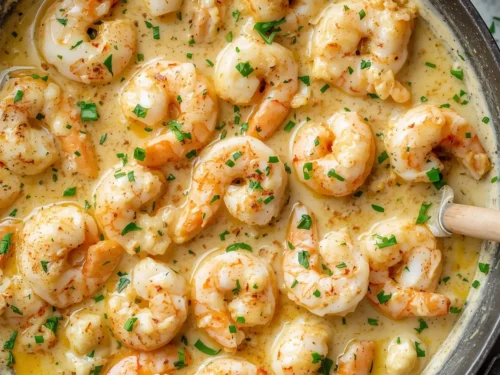
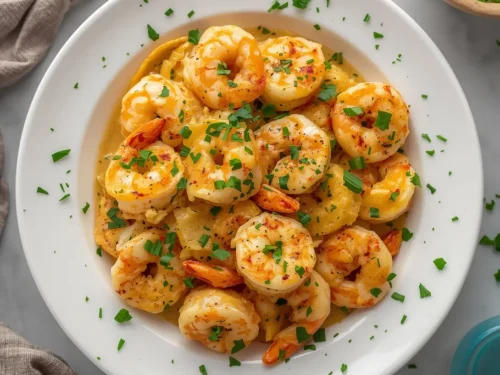
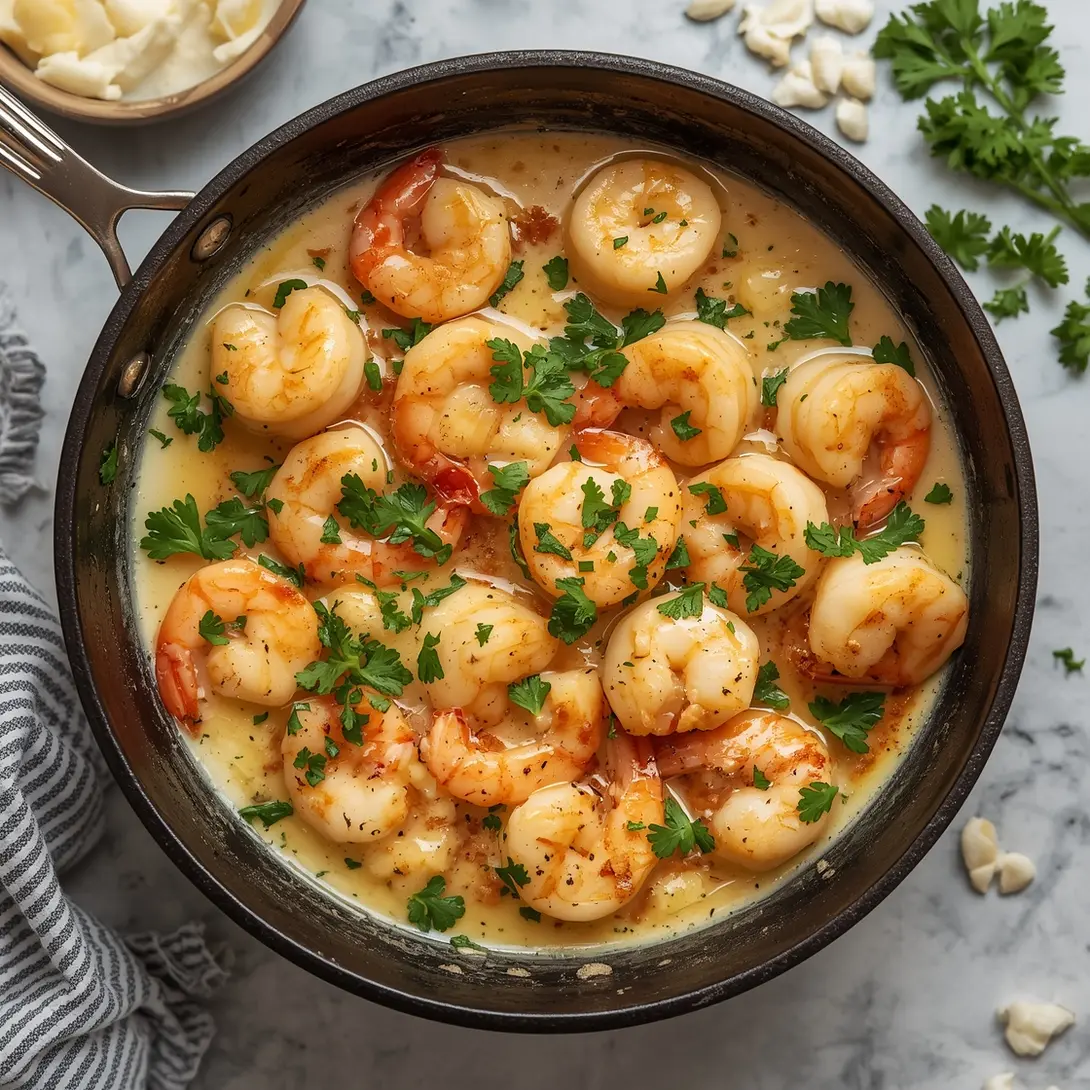
Classic Creamy Garlic Butter Shrimp Skillet
This classic creamy garlic butter shrimp skillet recipe is quick, easy, and bursting with flavor. Large raw shrimp are cooked in a rich sauce of butter, garlic, white wine, heavy cream, and Parmesan cheese, then finished with fresh lemon and parsley.
Ingredients
Equipment
Method
Preparation
- Pat the shrimp dry with paper towels and season with salt, pepper, and paprika.
- Heat a large skillet over medium-high heat.
Notes
Serve immediately with your favorite pasta, rice, or crusty bread. Adjust seasoning to your preference.