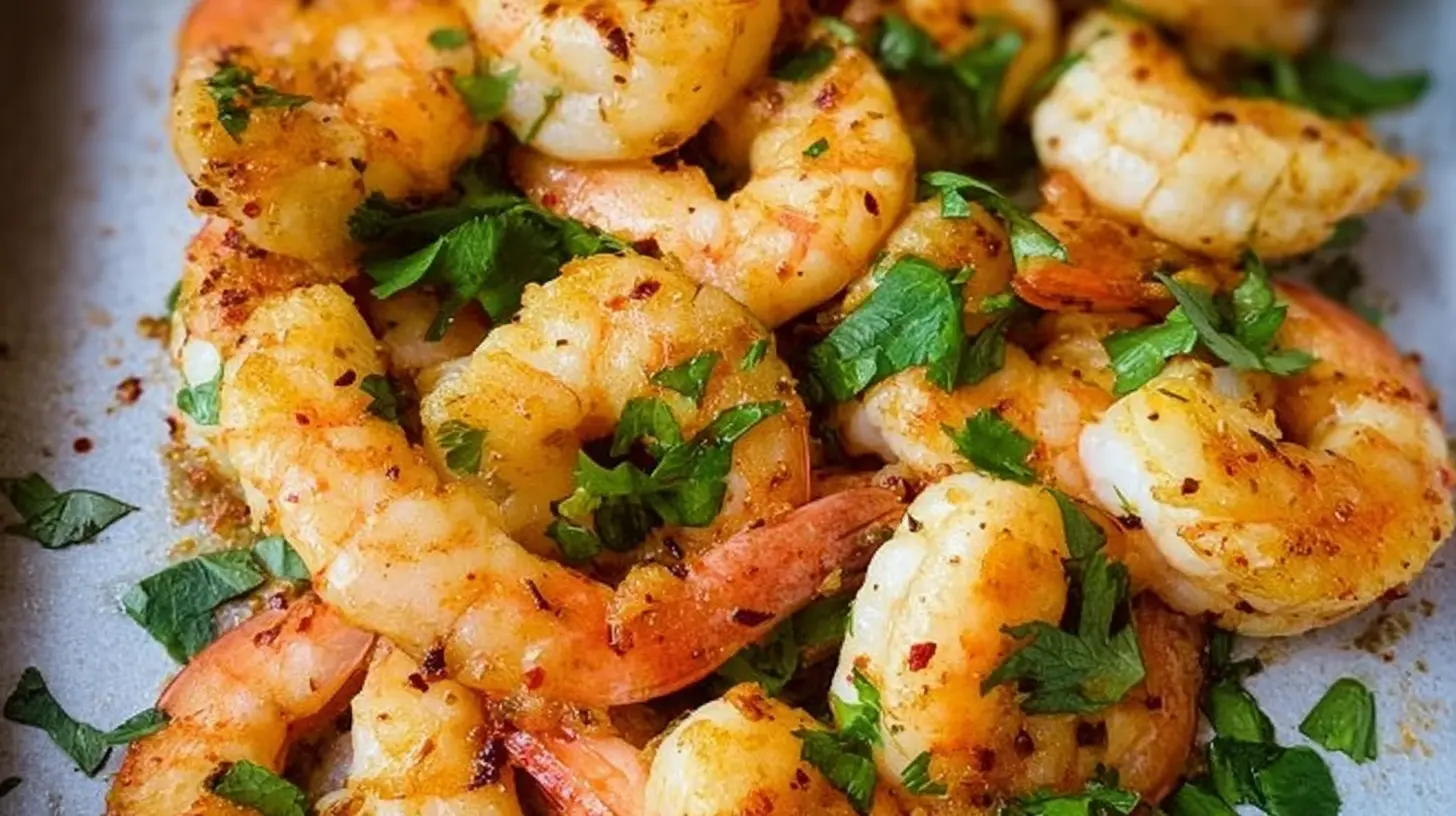
I remember when I first started my clean eating journey, shrimp quickly became my best friend. It’s lean, cooks in a flash, and is incredibly versatile. But finding genuinely clean and exciting ways to prepare it wasn’t always straightforward. It felt like I was constantly defaulting to the same old grilled shrimp. That’s why I’m so excited to share these five wholesome clean eating shrimp recipes that have become staples in my kitchen. They’re proof that healthy eating doesn’t have to be boring or time-consuming, even on the busiest weeknights.
What makes this recipe special
You’re probably thinking, “Another shrimp recipe?” But trust me, this isn’t just one recipe; it’s a gateway to five distinct, flavor-packed, and genuinely wholesome dinners, all centered around the magic of clean eating shrimp. If you’re anything like me, you’re always looking for ways to get a nutritious meal on the table without resorting to processed ingredients or spending hours in the kitchen.
Here’s why these recipes deserve a spot in your rotation:
- Speedy Meals: Shrimp cooks incredibly fast, making these perfect for those hectic weeknights when you need dinner on the table in under 30 minutes.
- Nutrient-Dense: Each recipe focuses on whole, unprocessed ingredients, ensuring you’re fueling your body with goodness. Think lean protein, vibrant vegetables, and healthy fats.
- Versatile & Flavorful: From zesty and bright to subtly spicy and comforting, these recipes offer a variety of flavor profiles, so you won’t get bored.
- Diet-Friendly: Naturally gluten-free (check specific ingredients for sauces), low in carbs (depending on sides), and high in lean protein, these options fit a multitude of dietary needs.
- Beginner-Friendly: While gourmet in taste, the techniques are simple and straightforward, making them accessible even for novice cooks.
Think of these as your healthy eating secret weapon, transforming plain shrimp into something truly exciting and satisfying.
> “I thought clean eating meant bland food, but these shrimp recipes completely changed my mind! So much flavor and surprisingly easy.” – A happy home cook
Step-by-step overview
Each of the five clean eating shrimp recipes we’re exploring today has its own unique flair, but they all share a similar straightforward preparation process. Generally, you’ll start by preparing your shrimp – often a quick thaw if frozen, patting them dry, and then seasoning them. While the shrimp marinates briefly or you chop your veggies, you’ll get any accompanying elements ready, such as starting a grain or prepping a sauce. Most of these dinners involve a quick sauté or stir-fry of the shrimp, often with vegetables, in a single pan or wok. Assembly is usually simple, combining the cooked shrimp and veggies with your chosen base or finishing sauce. The beauty here is in the minimal steps and fast cooking times, making healthy eating truly achievable!
What you’ll need
The foundation for all these recipes is, of course, quality shrimp. Beyond that, the specific ingredients will vary slightly for each of the five dishes, but here’s a general list of items you’ll want to have on hand or consider for your pantry.
For the Shrimp:
- Shrimp: 1-1.5 lbs, raw, peeled, and deveined (tail-on or tail-off, your preference). Look for sustainably sourced if possible. Fresh is great, but frozen works wonderfully when thawed properly.
- Olive Oil or Avocado Oil: For sautéing and dressings.
- Garlic: Fresh cloves, minced.
- Onion: Red or yellow, depending on the recipe’s flavor profile.
- Lemon: Fresh for juice and zest.
- Herbs: Fresh parsley, cilantro, dill, or basil (choose based on the recipe).
- Spices: Paprika, chili powder, cumin, dried oregano, red pepper flakes, salt, and black pepper – pantry staples for building flavor.
For the Different Meals (Examples):
- Vegetables: Bell peppers (various colors), zucchini, cherry tomatoes, spinach, broccoli florets, asparagus, kale.
- Healthy Grains/Bases: Quinoa, brown rice, cauliflower rice, whole wheat pasta (for a hybrid clean approach).
- Healthy Fats/Dressings: Avocado, natural nut butter (for sauces), apple cider vinegar, tamari or coconut aminos (gluten-free soy sauce alternative), sriracha (for a kick).
- Optional Garnishes: Toasted sesame seeds, chopped nuts, lime wedges.
Ingredient Note: Always check your labels! For clean eating, look for ingredients with minimal added sugars, preservatives, or artificial flavors. For example, instead of regular soy sauce, opt for low-sodium tamari or coconut aminos.
Directions to Follow
Here are some general directions that apply to most clean eating shrimp preparations, followed by a brief overview of how to bring together the 5 healthy dinners mentioned. Specific ingredient quantities for each recipe would typically be in their dedicated sections, but this gives you the workflow.
General Shrimp Preparation:
- Thaw (if frozen): If using frozen shrimp, transfer it to a bowl of cold water for 10-15 minutes, or place it in the refrigerator overnight.
- Pat Dry: Crucially, pat the thawed shrimp very dry with paper towels. This helps them sear nicely and prevents them from steaming.
- Season: In a medium bowl, toss the shrimp with a splash of olive oil, minced garlic, salt, and pepper, plus any other desired spices from your chosen recipe (e.g., paprika, chili powder). Let it sit for 5-10 minutes while you prep other ingredients.
Bringing Together Your 5 Wholesome Dinners (General Concepts):
Each of these concepts can be adapted to your preferences and ingredients on hand.
- Lemon Herb Garlic Shrimp with Roasted Veggies:
- Preheat oven to 400°F (200°C).
- Toss desired chopped vegetables (broccoli, bell peppers, zucchini, asparagus) with olive oil, salt, pepper, and dried herbs (oregano, thyme). Spread on a baking sheet.
- Roast vegetables for 15-20 minutes.
- Meanwhile, quickly sauté the seasoned shrimp in a hot pan with a little olive oil for 2-3 minutes per side until pink and opaque. Finish with fresh lemon juice and chopped parsley.
- Combine roasted veggies and shrimp. Serve as is, or over quinoa or cauliflower rice.
- Shrimp & Avocado Salad with a Zesty Vinaigrette:
- Quickly sauté or grill the seasoned shrimp until cooked through. Let cool slightly.
- In a large bowl, combine mixed greens, sliced cucumber, cherry tomatoes, red onion, and diced avocado.
- Whisk together a simple vinaigrette: olive oil, apple cider vinegar (or lemon juice), Dijon mustard, salt, and pepper.
- Add the cooked shrimp to the salad, drizzle with vinaigrette, and toss gently.
- Spicy Shrimp Skewers with Pineapple & Bell Pepper:
- If using wooden skewers, soak them in water for 30 minutes.
- Cut bell peppers and pineapple into 1-inch pieces.
- Toss seasoned shrimp with a touch of chili powder, cumin, and a squeeze of lime juice.
- Thread shrimp, bell pepper, and pineapple alternately onto skewers.
- Grill or broil for 3-4 minutes per side, until shrimp is cooked and veggies are tender-crisp.
- Mediterranean Shrimp Bowls:
- Cook quinoa or brown rice according to package directions.
- Sauté seasoned shrimp with additional dried oregano and a pinch of red pepper flakes.
- Assemble bowls with the cooked grain, spinach, cooked shrimp, chopped cucumber, cherry tomatoes, Kalamata olives, and a sprinkle of crumbled feta (optional, if dairy is part of your clean eating).
- Drizzle with a simple lemon-tahini dressing or just fresh lemon juice.
- Shrimp & Veggie Stir-Fry with Coconut Aminos:
- Prepare a stir-fry sauce: coconut aminos (or tamari), a splash of apple cider vinegar, a tiny bit of sesame oil, and grated ginger.
- Heat a large wok or skillet over high heat with a little avocado oil.
- Add quick-cooking chopped vegetables (e.g., bell peppers, snap peas, shredded carrots, broccoli florets) and stir-fry for 3-5 minutes until tender-crisp. Remove from the pan.
- Add a bit more oil and quickly stir-fry the seasoned shrimp until pink.
- Return cooked vegetables to the pan with the shrimp. Pour in the stir-fry sauce and toss to coat for 1-2 minutes until heated through.
- Serve over cauliflower rice or brown rice, garnished with green onions and sesame seeds.
Best ways to enjoy it
These clean eating shrimp dishes are incredibly versatile in how they can be served, allowing you to tailor them to your preference or whatever you have on hand.
For the Lemon Herb Garlic Shrimp with Roasted Veggies or the Spicy Shrimp Skewers, they are fantastic simply on their own, especially if you’re looking for a low-carb, protein-packed meal. However, they also pair beautifully with:
- Cauliflower Rice: A classic clean-eating staple for soaking up all the delicious juices.
- Quinoa or Brown Rice: For a more substantial, whole-grain meal.
- Big Green Salad: A fresh, crisp salad with a light vinaigrette perfectly complements the richness of the shrimp.
The Shrimp & Avocado Salad is a complete meal in itself, vibrant and satisfying. If you want to make it heartier, consider adding:
- Toasted slivered almonds or walnuts: For a textural crunch and healthy fats.
- A sprinkle of hemp seeds: For extra protein and omega-3s.
For the Mediterranean Shrimp Bowls and Shrimp & Veggie Stir-Fry, the “bowl” concept means they’re already quite self-contained. The key here is the balance of protein, healthy grains (or cauliflower rice), and abundant vegetables.
- Fresh Herbs: A generous sprinkle of fresh cilantro, parsley, or green onions at the end always brightens up these dishes.
- Lime or Lemon Wedges: A squeeze of fresh citrus just before serving elevates all the flavors.
- Hot Sauce: If you like an extra kick, a dash of your favorite clean hot sauce can be a great addition.
Ultimately, serving these dishes is about celebrating fresh ingredients. Keep it simple, let the flavors shine, and enjoy your wholesome creation!
How to store & freeze
Proper storage is key to making the most of your clean eating shrimp dinners and ensuring food safety.
Storing Cooked Shrimp and Meals:
- Refrigeration: Once cooked, allow any leftover shrimp and accompanying vegetables or grains to cool completely at room temperature for no more than two hours. Transfer them to airtight containers. Cooked shrimp dishes will typically stay fresh in the refrigerator for 2-3 days.
- Separation: If possible, it’s sometimes best to store the shrimp separately from very wet components like dressed salads or highly sauced vegetables, as this can affect texture. However, for most of these recipes, storing them together in a single container is fine.
- Airtight containers: Always use airtight containers to prevent air exposure, which can dry out the shrimp and introduce unwanted odors to your fridge.
Reheating:
- Shrimp can get rubbery if overcooked during reheating.
- Stovetop: For best results, gently reheat shrimp-based dishes on the stovetop over medium-low heat with a splash of water or broth, stirring occasionally, until just warmed through.
- Microwave: If using a microwave, heat in short bursts (30-60 seconds) on medium power, stirring in between, until heated through. Be careful not to overheat.
- Skip reheating salads: Dishes like the Shrimp & Avocado Salad are best enjoyed fresh and are not recommended for reheating.
Freezing Cooked Shrimp Dishes:
While you can freeze cooked shrimp, its texture can become a little tougher or more rubbery upon thawing and reheating. It’s generally best to consume cooked shrimp fresh from the fridge.
- If you must freeze: For dishes like the Shrimp & Veggie Stir-Fry or Lemon Herb Garlic Shrimp with Roasted Veggies, you can freeze them in airtight, freezer-safe containers for up to 1-2 months.
- To thaw: Transfer the frozen dish to the refrigerator overnight.
- To reheat: Reheat gently on the stovetop or in the microwave as described above, being mindful of the shrimp’s texture.
Food Safety Tip: Never leave cooked shrimp out at room temperature for more than 2 hours. When in doubt, throw it out.
Helpful cooking tips
Even seemingly simple shrimp recipes can be elevated with a few insider tricks. Here are some pro tips to ensure your clean eating shrimp dinners are always fantastic:
- Don’t Overcook the Shrimp: This is the golden rule! Shrimp cooks incredibly fast, often in just 2-3 minutes per side until it turns opaque and pink. Overcooked shrimp becomes rubbery and tough. As soon as it curls into a “C” shape and is no longer translucent, it’s done. A “O” shape means it’s overcooked.
- Pat it DRY! This cannot be stressed enough. Whether fresh or thawed, use paper towels to remove as much moisture from the shrimp as possible. Dry shrimp gets a lovely sear, creating more flavor. Wet shrimp steams.
- Hot Pan, Quick Cook: When sautéing, make sure your pan is hot before adding the shrimp. This also helps achieve that desirable sear quickly without overcooking the inside.
- Buy Wild-Caught When Possible: For the cleanest eating, opt for wild-caught shrimp over farmed. Wild shrimp generally have a better flavor and are less likely to contain antibiotics or other additives. Look for labels like “MSC Certified” for sustainable choices.
- Fresh Lemon & Herbs are Game Changers: A squeeze of fresh lemon or lime juice at the very end of cooking, along with a sprinkle of fresh herbs (parsley, cilantro, dill), brightens flavors beautifully and adds a vibrant, clean finish. This simple step makes a huge difference.
- Prep Ahead for Speed: If you’re short on time, chop all your vegetables ahead of time. You can even thaw and season the shrimp a few hours before cooking. This makes assembly and cooking on a weeknight incredibly fast.
- Taste and Adjust: Always taste your food before serving! Seasoning is personal. A little extra pinch of salt, a dash of pepper, or another squeeze of citrus can truly bring a dish to life.
Creative twists
One of the best things about clean eating shrimp recipes is their adaptability. Once you have the core techniques down, you can easily swap ingredients to create new flavor profiles or cater to dietary needs.
- Spice Level Adventures:
- Indian Inspired: Add curry powder, turmeric, ginger, and a touch of unsweetened coconut milk for a creamy, aromatic sauce. Serve with cauliflower rice and fresh cilantro.
- Cajun Kick: Use a homemade no-sugar-added Cajun seasoning blend (paprika, cayenne, garlic powder, onion powder, oregano, thyme) and cook with colorful bell peppers.
- Smoky Heat: A pinch of smoked paprika and a dash of chipotle powder can give your shrimp a lovely smoky depth.
- Veggie Swaps Galore: Don’t feel tied to the specific vegetables in the examples.
- Seasonal Delights: Use whatever is fresh and in season. Asparagus and peas in spring, green beans and corn in summer, or butternut squash and Brussels sprouts in fall.
- Leafy Greens: Wilt in kale, Swiss chard, or bok choy at the very end of cooking for an extra nutrient boost.
- Sauce & Marinade Innovations:
- Pesto Power: Toss cooked shrimp with a clean, sugar-free pesto (homemade or store-bought with good ingredients) and cherry tomatoes.
- Nutty & Zesty: Blend tahini, lemon juice, garlic, and a touch of water for a creamy, healthy dressing that works wonders on roasted shrimp and veggies.
- Sweet & Tangy (Clean Version): Combine unsweetened apple cider vinegar, a touch of pure maple syrup (sparingly, if clean eating allows), grated ginger, and coconut aminos for a clean “sweet and sour” profile.
- Dietary Adjustments:
- Keto/Low Carb: Ensure your recipes lean heavily on non-starchy vegetables and serve with cauliflower rice or zucchini noodles instead of grains. Focus on healthy fats like avocado oil.
- Whole30/Paleo: Use compliant ingredients, avoiding dairy, grains, legumes, and added sugars. Coconut aminos are your friend!
- Vegan (Shrimp Alternative): While these are shrimp recipes, you can apply similar flavor profiles to plant-based alternatives like grilled firm tofu, tempeh, or even king oyster mushroom “scallops.”
Don’t be afraid to experiment! That’s the beauty of cooking and clean eating – it’s all about finding what works and tastes best for you.
Your questions answered
Q1: Can I use pre-cooked shrimp for these recipes?
A: While you can use pre-cooked shrimp to save time, it’s generally not recommended for optimal flavor and texture. Pre-cooked shrimp tends to be less tender and can become rubbery very easily when reheated or added to a hot pan. If you do use it, add it in the very last minute just to warm through, rather than actively cooking it. For the best results, always opt for raw shrimp.
Q2: What’s the best way to thaw frozen shrimp quickly and safely?
A: The safest and quickest method is to place the frozen shrimp in a colander under cold running water for about 5-10 minutes, gently tossing them occasionally, until thawed. Alternatively, you can put the frozen shrimp in a bowl of cold water (not hot!) for 15-20 minutes, changing the water once or twice. Never thaw at room temperature, as this can encourage bacterial growth. Once thawed, pat them very dry before cooking.
Q3: How do I know if my shrimp is wild-caught and sustainable?
A: Look for labels on the packaging. “Wild-caught” typically indicates it was harvested from its natural environment, while “farmed” means it was raised in aquaculture. For sustainability, look for certifications from organizations like the Marine Stewardship Council (MSC) or check the Monterey Bay Aquarium Seafood Watch guide, which rates seafood based on environmental impact and sustainable fishing practices.
Q4: My shrimp turned out tough. What went wrong?
A: The most common culprit for tough shrimp is overcooking. Shrimp cooks very quickly, transforming from translucent to opaque and pink in just a few minutes over medium-high heat. As soon as all the shrimp turns pink and curls into a loose “C” shape, it’s done. A tightly coiled “O” shape means it’s likely overcooked. Another factor can be adding too much to the pan at once, which lowers the pan’s temperature and causes the shrimp to steam rather than sear, resulting in a rubbery texture. Cook in batches if necessary.
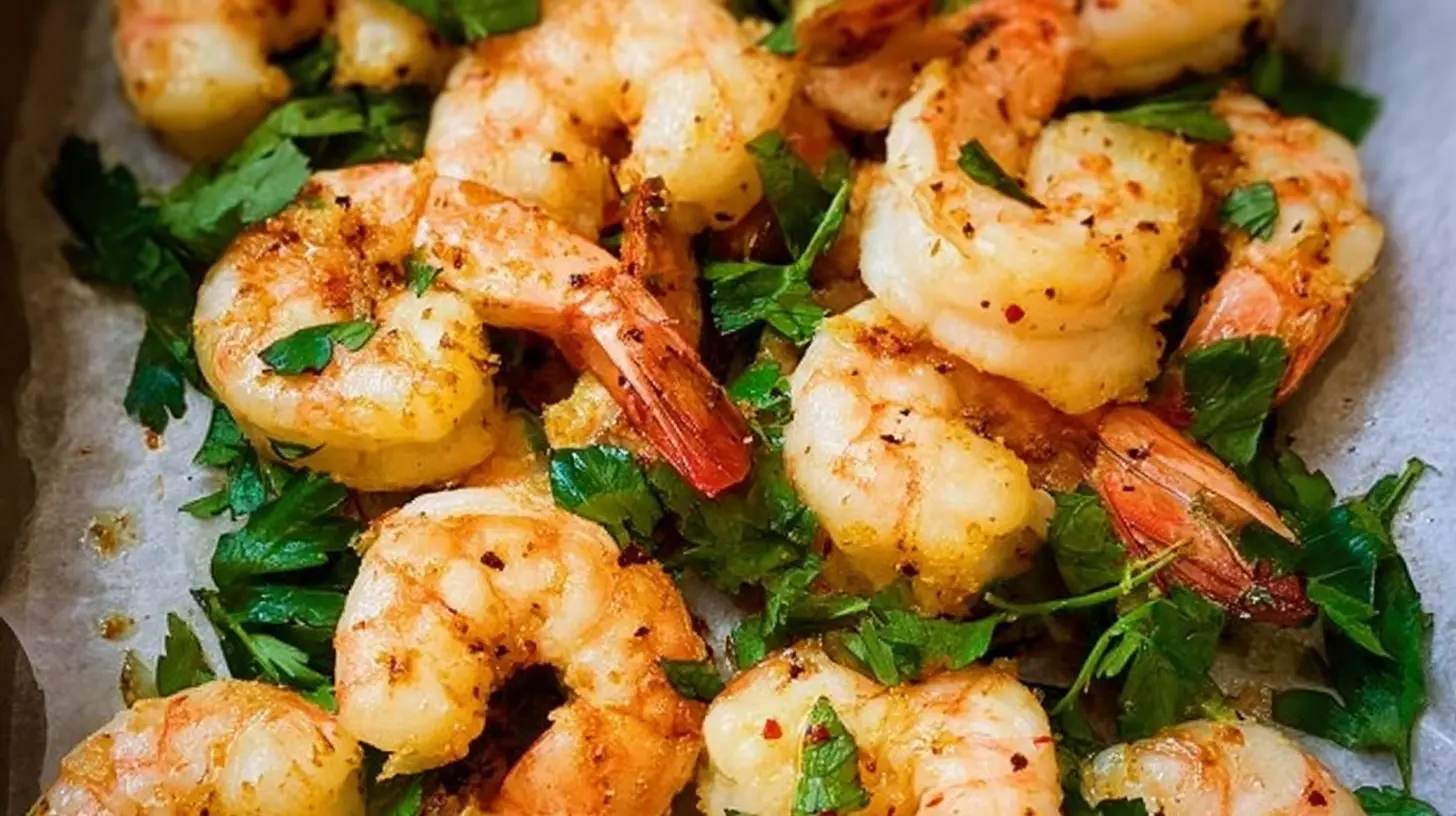
Zesty Mediterranean Shrimp Skewers
Ingredients
Equipment
Method
- If using wooden skewers, remember to soak them in water for at least 30 minutes to prevent burning.
- Combine the shrimp and vegetables in a medium bowl, then whisk together the lemon juice, olive oil, garlic, oregano, red pepper flakes, salt, and pepper in a separate small bowl.
- Pour the dressing over the shrimp and vegetables and toss to coat, then let it marinate at room temperature for 15-20 minutes, or in the refrigerator for up to 30 minutes.
- Preheat your grill or broiler to medium-high heat, then thread the marinated shrimp and vegetables onto the skewers, making sure not to overcrowd them.
- Grill or broil for 3-4 minutes per side until the shrimp is pink and opaque, and the vegetables are tender-crisp.
- Remove from heat and serve immediately, garnished with fresh parsley and extra lemon wedges if desired.