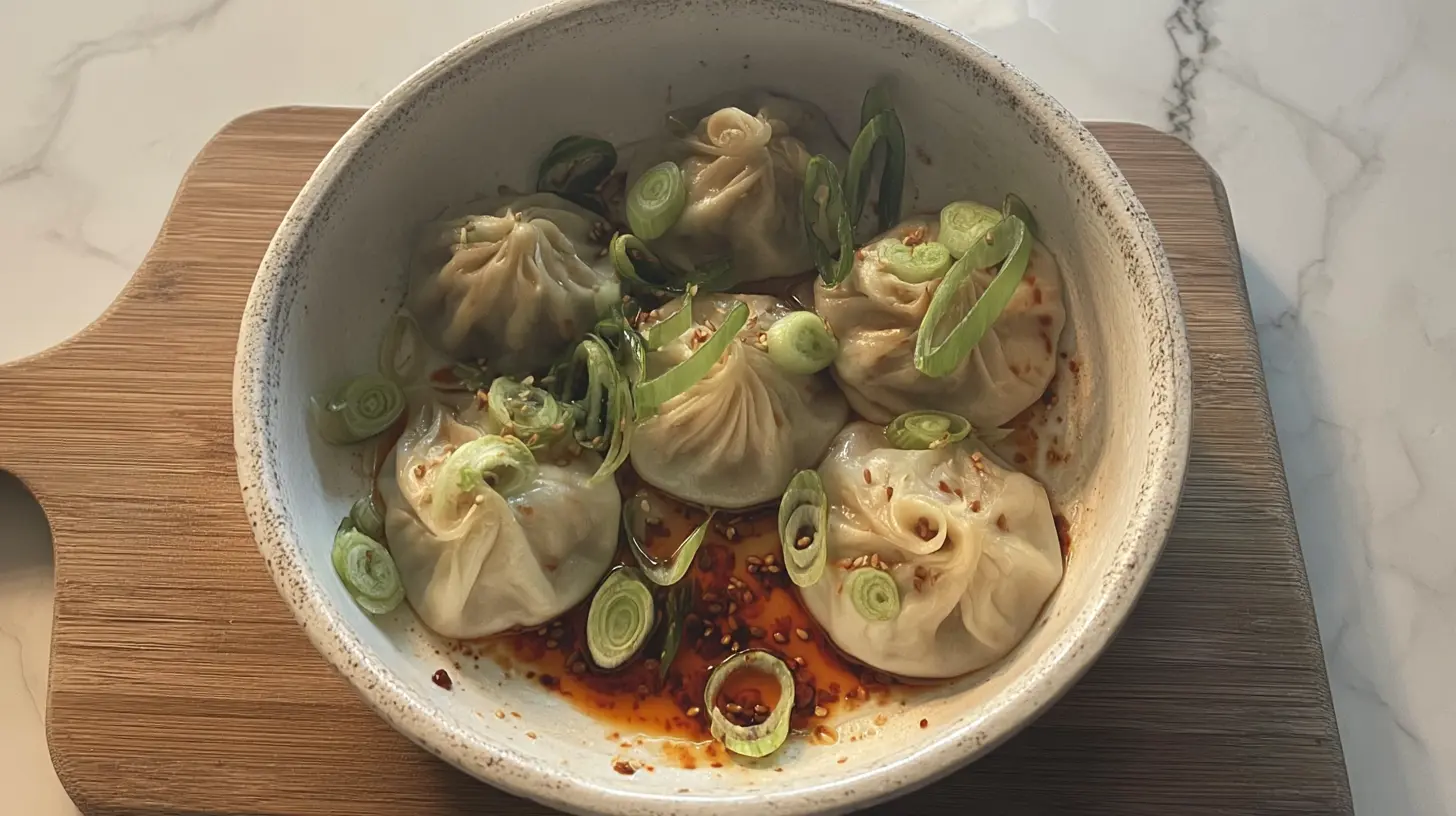
I’ll never forget the first time I tried a proper soup dumpling – that delicate wrapper, the savory broth bursting in my mouth, and the perfectly seasoned filling. It was an experience that elevated a simple dumpling into something truly magical. But here’s the thing: eating them isn’t always as straightforward as it seems. If you’ve ever ended up with hot broth splattering everywhere or the whole thing falling apart before it reaches your mouth, you know the struggle. That’s why I’m so excited to share what I’ve learned about enjoying these culinary treasures to their fullest.
Reasons to try it
Soup dumplings, or xiao long bao as they’re traditionally known, are more than just a dish; they’re an experience. If you’ve been intimidated by the delicate dance of eating them, or if you simply want to elevate your soup dumpling game, understanding the best techniques will utterly transform your enjoyment. It’s not just about getting the food into your mouth; it’s about savoring every drop of that precious broth and appreciating the craftsmanship of these little pockets of joy. Plus, mastering these methods will impress your dining companions!
> “I thought I knew how to eat soup dumplings, but these tips changed everything! No more burnt tongues or wasted broth. Truly a game-changer!” – A Happy Eater
The cooking process explained
Before we dive into the eating techniques, let’s briefly touch on how these marvels are typically prepared. Soup dumplings are usually steamed, either in bamboo steamers or sometimes in a large pot with a steaming rack. They arrive at your table piping hot, which is crucial for that molten broth interior. The magic lies in the aspic (a gelatinous stock) mixed into the pork or crab filling. As the dumplings steam, the aspic melts, creating the delicious, flavorful soup we all crave. This delicate cooking process means they need careful handling from steamer to mouth.
What you’ll need
This article focuses on the eating of soup dumplings, so the “ingredients” here are more about the accompaniments and tools you’ll likely use:
- Soup Dumplings: Freshly steamed and piping hot, of course!
- Small ceramic spoon: Essential for methods that involve broth containment.
- Chopsticks: Your primary tool for delicate handling.
- Soy sauce: A classic dipping accompaniment.
- Black vinegar (Chinkiang vinegar): The traditional and highly recommended dipping sauce, often with shredded ginger.
- Shredded ginger: Adds a wonderful zing and cuts through the richness.
Directions to follow
Here are the three best ways to eat soup dumplings, designed to maximize flavor and minimize mishaps:
- The “Nibble and Sip” Method (The Classic):
- Carefully pick up a dumpling with your chopsticks, being gentle not to puncture the skin.
- Transfer it to your ceramic spoon.
- Gently take a very small bite from the side of the dumpling, just enough to expose the broth.
- Slowly sip the hot broth directly from the dumpling while it rests in your spoon.
- Once the broth is sipped, you can dip the remaining dumpling in a little black vinegar and ginger, then eat it whole.
- The “Bowl of Broth” Method (For the impatient or clumsy):
- This method is slightly less traditional but can be safer for beginners or those prone to dumpling disintegration.
- Carefully pick up the dumpling with your chopsticks and place it directly into your ceramic spoon.
- Using your chopsticks, gently poke a small hole in the top or side of the dumpling skin.
- Allow all the broth to drain into your spoon.
- Sip the broth from the spoon.
- Then, dip the remaining broth-less dumpling in vinegar and ginger and enjoy.
- The “Ginger Blanket” Method (Enhanced Flavor & Protection):
- Prepare your dipping sauce: a small plate of black vinegar with a good amount of shredded ginger in it.
- Carefully pick up a dumpling with your chopsticks and place it onto your ceramic spoon.
- Take a generous pinch of shredded ginger from your vinegar plate and place it directly on top of the dumpling.
- Gently take a bite of the dumpling, making sure to get some ginger and broth in the same mouthful. The ginger acts as a slight barrier from the hot broth and adds incredible flavor.
- Finish the rest of the dumpling, optionally dipping the remainder in more vinegar.
Serving suggestions
Soup dumplings are usually served as an appetizer or a dim sum item. They are perfectly delicious on their own, but the traditional accompaniment of black vinegar with shredded ginger is non-negotiable for the full experience. The vinegar’s tang and the ginger’s sharp, fresh bite perfectly balance the richness of the pork and broth. You might also find soy sauce offered, but a good quality black vinegar is truly superior for xiao long bao.
Storage and reheating tips
Soup dumplings are best enjoyed fresh, directly from the steamer. The delicate wrappers and juicy broth don’t hold up well to refrigeration and reheating. If you somehow have leftovers, it’s best to avoid storing them. The wrappers tend to get soggy, and the broth congeals in a less appealing way. If you absolutely must, you can try refrigerating them in an airtight container for no more than a day, and then very gently re-steaming them for a few minutes. However, be prepared for a diminished experience. Freezing homemade soup dumplings before cooking is possible if properly prepared, but once cooked, they are a dish to be savored immediately.
Pro chef tips
- Don’t Rush: This is the golden rule. Soup dumplings are meant to be savored slowly. That broth is incredibly hot!
- Gentle Handling: Use your chopsticks like a surgeon’s tool. Puncturing the skin before it’s in your spoon is a tragedy. Lift from the pleats at the top if possible, as this is often the strongest point.
- The Spoon is Your Friend: Always, always use a spoon as a safety net. It catches the broth and provides a stable base.
- Balance the Flavors: Don’t drown your dumpling in sauce. A light dip in black vinegar and a touch of ginger is usually all you need to complement, not overpower, the natural flavors of the dumpling.
Creative twists
While the traditional soup dumpling is a masterpiece, you can explore variations in filling if you make them at home. Some popular choices include:
- Crab and Pork: A luxurious alternative to pure pork.
- Shrimp and Pork: Adds a sweet, oceanic note.
- Vegetable-only versions: While harder to achieve the “soup” effect traditionally, some vegetarian dumplings incorporate a flavorful jelly that melts.
- Spicy Kick: A tiny dab of chili oil can be added to your dipping sauce for those who like heat.
Common questions
Why do my soup dumplings keep breaking?
A: This is usually due to one of two reasons: either the wrapper is too thin or not properly sealed, or you’re handling them too roughly. When picking them up with chopsticks, try to grasp them gently from the pleated top or very carefully around the middle, supporting the bottom. Always transfer them immediately to a spoon for stability.
What’s the deal with the black vinegar and ginger? Can I just use soy sauce?
A: While you can use soy sauce, black vinegar (often Chinkiang or Zhenjiang vinegar) is the traditional and preferred accompaniment. Its deep, malty, and slightly sweet-tart flavor perfectly cuts through the richness of the pork and broth, enhancing the overall taste without overwhelming it. Shredded ginger adds a fresh, spicy counterpoint that is truly wonderful. Give it a try – you’ll likely never go back to just soy sauce!
Are soup dumplings supposed to be eaten in one bite?
A: Typically, no! Due to the extremely hot broth inside, eating a soup dumpling in one bite is a surefire way to burn your mouth. The “nibble and sip” or “bowl of broth” methods are designed to allow you to safely enjoy the broth first, then the filling and wrapper.
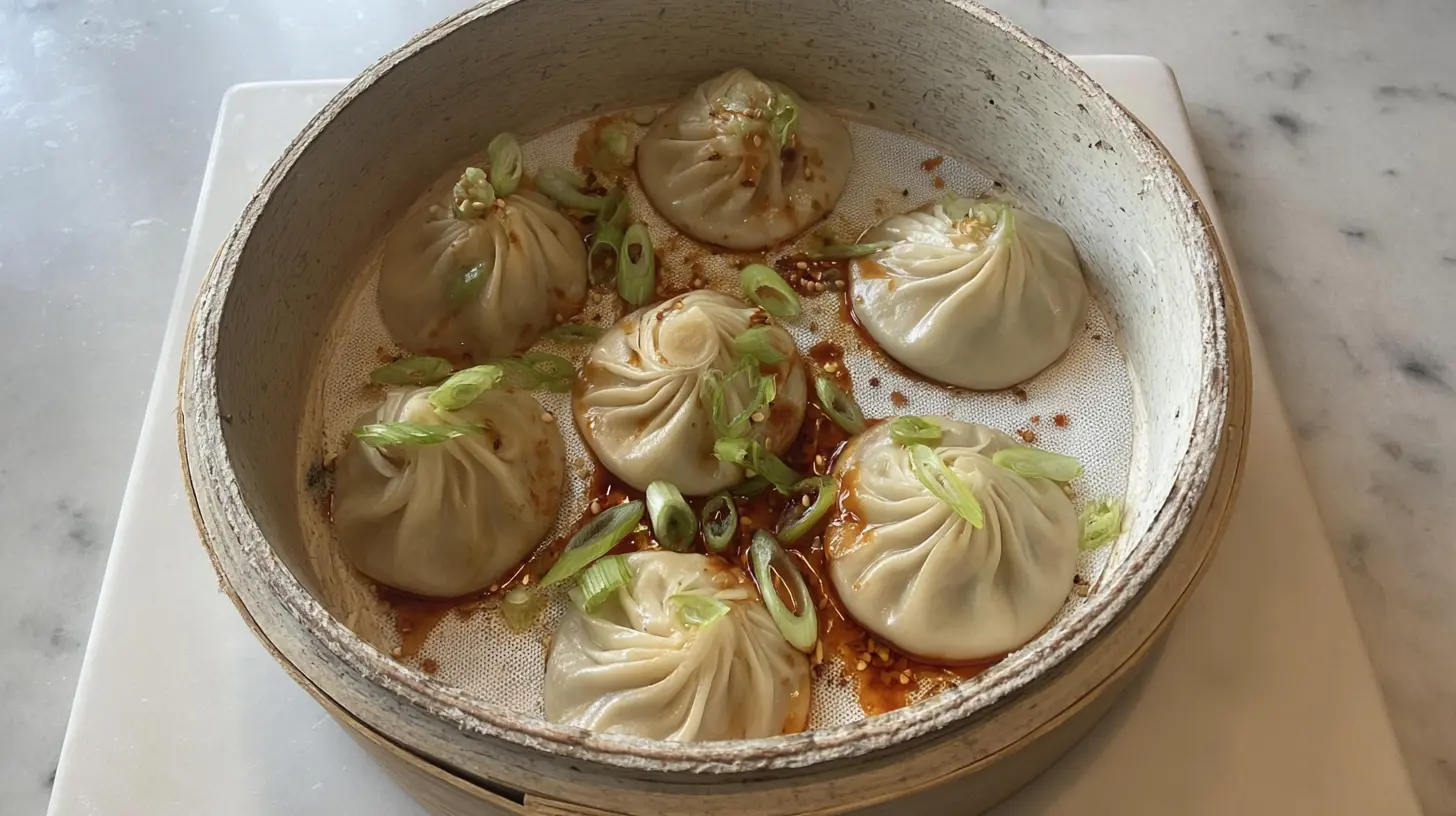
Classic Pork Soup Dumplings with Ginger-Vinegar Dip
Ingredients
Equipment
Method
- Combine pork, solidified broth, soy sauce, Shaoxing wine, sugar, white pepper, minced ginger, scallions, and sesame oil in a bowl, mixing until sticky. Refrigerate for 30 minutes to meld flavors and firm the aspic.
- Place 1 teaspoon of filling in the center of a dumpling wrapper, then moisten the edges with water.
- Bring the wrapper edges up and pleat them around the filling, gathering and pinching the top to form a securely sealed pouch.
- Continue assembling dumplings, placing them on a parchment-lined tray without touching, then bring 1-2 inches of water to a boil in a pot for steaming.
- Arrange dumplings in a single layer in a parchment-lined bamboo steamer, leaving space between them. Steam for 8-10 minutes until translucent and cooked through, working in batches as needed.
- While dumplings steam, combine black vinegar and shredded ginger for the dipping sauce. Serve piping hot directly from the steamer, advising diners to be careful of hot broth and enjoy using suggested methods.