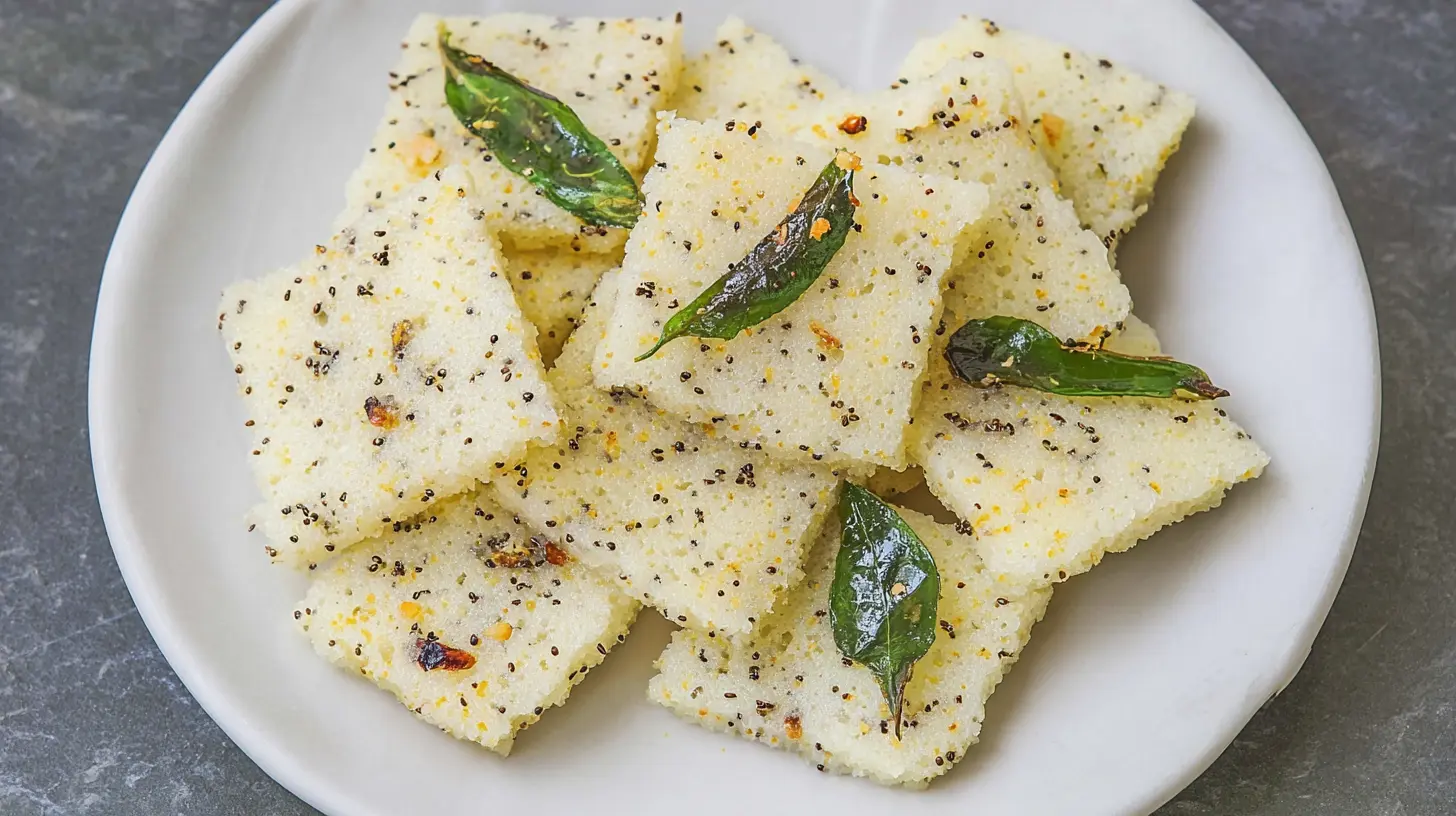
I still remember the first time I tried Rava Dhokla. It was at a bustling street food stall in Mumbai, and the vendor handed me a plate of these fluffy, savory cakes, still warm from the steamer. One bite, and I was hooked on their tangy, slightly spicy, and incredibly light texture. If you’re craving a healthy, quick meal that doesn’t skimp on flavor, then get ready to discover your new go-to snack or light dinner – homemade Rava Dhokla. It’s a dish that brings a burst of Indian flavor right into your kitchen with surprisingly little effort.
Why You’ll Love This Dish
There are countless reasons why Rava Dhokla deserves a permanent spot in your recipe rotation. First off, it’s incredibly light and healthy. Unlike some fried snacks, dhokla is steamed, making it a fantastic low-calorie option that’s still wonderfully satisfying. It’s also remarkably quick to prepare, especially compared to its fermented cousin, Khaman Dhokla. This makes it ideal for those busy weeknights when you need something nutritious on the table without spending hours in the kitchen. Plus, it’s a fantastic way to introduce new flavors to your family, even picky eaters often fall for its soft texture and mild spice.
> “I used to think making dhokla was complicated, but this Rava Dhokla recipe changed my mind! It’s so quick, and the flavors are spot on. A perfect healthy snack for any time of day.” – A happy home cook
The Cooking Process Explained
Making Rava Dhokla involves a few simple steps, resulting in a delightfully spongy and flavorful dish. You’ll start by preparing a quick batter from semolina (rava), yogurt, and a few spices, letting it rest briefly to allow the semolina to plump up. Then, just before steaming, you’ll add a secret ingredient – fruit salt or baking soda – which creates those characteristic airy pockets. The batter is then steamed in a pan until firm, cooled slightly, and cut into squares. The final touch is a tempering of mustard seeds, curry leaves, and green chilies, poured over the dhokla for an aromatic finish. It’s a straightforward process that yields impressive results every time.
What You’ll Need
To whip up this delicious Rava Dhokla, gather these simple ingredients:
- Fine Rava (Semolina): 1 cup – The star of the show, choose fine variety for best texture.
- Plain Yogurt (Dahi): 1 cup – Adds the necessary tang and moisture.
- Water: ½ cup or as needed – To adjust batter consistency.
- Ginger-Green Chili Paste: 1 tablespoon – For a fresh, zesty kick. Adjust to your spice preference.
- Salt: To taste
- Eno Fruit Salt (or baking soda + citric acid): 1 teaspoon – This is key for the fluffiness! Use the unflavored kind.
- Oil: 1 tablespoon (for greasing the plate)
For the Tempering (Tadka):
- Oil: 1 tablespoon
- Mustard Seeds (Rai): 1 teaspoon
- Cumin Seeds (Jeera): ½ teaspoon (optional, but adds nice flavor)
- Green Chilies: 1-2, slit lengthwise – For a gentle heat.
- Curry Leaves: A sprig (about 8-10 leaves) – Essential for authentic aroma.
- Sesame Seeds (Til): 1 teaspoon (optional, for crunch and garnish)
- Asafoetida (Hing): A pinch
- Fresh Coriander Leaves: For garnish, chopped
- Water: ¼ cup (optional, for a moist tempering)
Directions to Follow
Follow these steps for perfectly fluffy Rava Dhokla:
- Prepare the Batter: In a large mixing bowl, combine the fine rava, plain yogurt, ginger-green chili paste, and salt. Gradually add water, mixing well to form a smooth, lump-free batter of pouring consistency, similar to pancake batter.
- Let it Rest: Cover the bowl and let the batter rest for at least 20-30 minutes. This allows the semolina to soak up the moisture and swell, leading to a softer dhokla.
- Prepare Steamer: While the batter rests, get your steamer ready. Fill a large pot or steamer with about 2-3 inches of water and bring it to a boil. Lightly grease a dhokla plate or any shallow cake pan with oil.
- Activate the Batter: Just before steaming, add the Eno fruit salt (or baking soda + citric acid) to the batter. Pour about 1-2 tablespoons of water over it to activate it. Mix gently and quickly in one direction until the batter becomes frothy and bubbly. Do not overmix, or the air bubbles will escape.
- Steam the Dhokla: Immediately pour the activated batter into the greased plate. Place the plate carefully inside the hot steamer. Cover with a lid and steam for 12-15 minutes on medium-high heat, or until a knife inserted into the center comes out clean.
- Cool and Cut: Once steamed, carefully remove the plate from the steamer. Let it cool for 5-10 minutes. This makes it easier to remove and prevents it from sticking. Run a knife around the edges and invert it onto a cutting board. Cut into desired square or diamond shapes.
- Prepare Tempering (Tadka): In a small pan, heat 1 tablespoon of oil. Once hot, add mustard seeds. When they splutter, add cumin seeds (if using), green chilies, curry leaves, sesame seeds (if using), and asafoetida. Sauté for a few seconds until aromatic. If you like a slightly moist tempering, add ¼ cup water and bring it to a quick boil.
- Finish and Serve: Pour the hot tempering evenly over the cut dhokla pieces. Garnish generously with fresh chopped coriander leaves. Serve immediately with green chutney or tamarind chutney.
How to Serve and Plate
Rava Dhokla is incredibly versatile. It’s often enjoyed as a light breakfast, a healthy snack, or even a side dish with your main meal. For a classic presentation, arrange the cut dhokla squares neatly on a platter. A sprinkle of fresh coriander and a few grated coconut shavings (if you have them) can add a lovely touch. Pair it with a vibrant mint-coriander chutney for a refreshing kick or a sweet and tangy tamarind chutney. Some enjoy it with a simple cup of masala chai for a delightful evening snack.
Keeping Leftovers Fresh
Proper storage ensures your Rava Dhokla stays fresh and delicious. Once cooled completely, store any leftover dhokla in an airtight container in the refrigerator for up to 2-3 days. To reheat, you can steam it for a few minutes until warm, or simply microwave it briefly. Steaming helps retain its moisture and soft texture better than microwaving. Freezing dhokla isn’t usually recommended as it can alter the texture, making it a bit crumbly upon thawing.
Helpful Cooking Tips
- Fine Rava is Key: Always use fine semolina (chiroti rava) for the best, softest texture. Coarse rava will result in a grainy dhokla.
- Don’t Skimp on Resting Time: The 20-30 minute rest is crucial for the rava to absorb the liquid and swell, leading to a much softer and fluffier dhokla.
- Gentle Mixing with Eno: Once you add the Eno fruit salt, mix gently and quickly. Overmixing will cause the activated air bubbles to escape, resulting in dense dhokla.
- Steamer Setup: Ensure your steamer water is boiling vigorously before you place the dhokla pan inside. This immediate heat helps the dhokla rise properly.
- Cool Before Cutting: Allowing the dhokla to cool slightly after steaming makes it much easier to cut neat pieces without them sticking or crumbling.
Creative Twists
While the classic Rava Dhokla is fantastic, don’t hesitate to play around with variations:
- Veggie Boost: Grate some carrots, finely chop spinach, or add a handful of frozen peas to the batter for added nutrition and color.
- Spicier Kick: Increase the amount of green chilies or add a pinch of red chili powder to the batter for more heat.
- Herbal Infusion: Mix in finely chopped fenugreek leaves (methi) or dill for a different flavor profile.
- Coconut Flour Swap: For a gluten-free twist, you can experiment with a portion of rice flour or chickpea flour mixed with the rava, though the texture will vary.
- Sweet & Sour Touch: After pouring the tempering, you can optionally sprinkle a teaspoon of sugar and a squeeze of lemon juice over the dhokla for a classic Gujarati sweet and sour flavor.
FAQ
Can I make Rava Dhokla without yogurt?
Yes, you can. You’ll need an acidic ingredient to react with the Eno fruit salt. Lemon juice or citric acid can be used in place of yogurt. For example, use water to make the batter, and then add about 1-2 tablespoons of lemon juice along with the Eno. This will still give you a tangy flavor, but the texture might be slightly different.
What if I don’t have Eno Fruit Salt?
You can substitute Eno with a combination of baking soda and citric acid. For 1 teaspoon of Eno, use about ½ teaspoon of baking soda and a ¼ teaspoon of citric acid (or a tablespoon of lemon juice). Just like with Eno, add it last and mix quickly before steaming.
How do I know if the dhokla is cooked through?
The best way to check is to insert a knife or a toothpick into the center of the dhokla. If it comes out clean, your dhokla is perfectly cooked. If there’s any wet batter clinging to it, steam for a few more minutes.
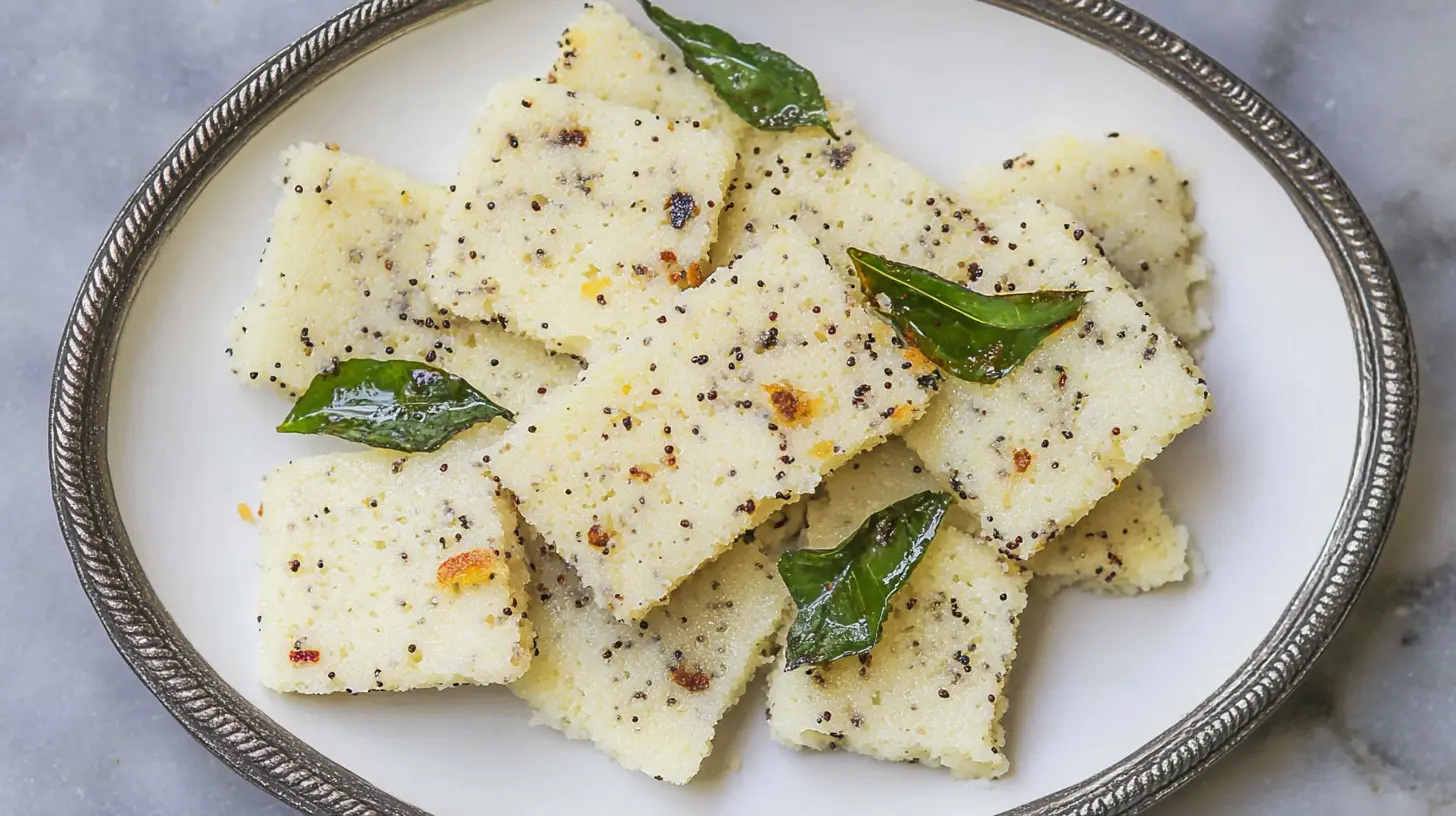
Fluffy Rava Dhokla
Ingredients
Equipment
Method
- Combine rava, yogurt, ginger-green chili paste, and salt in a bowl, then gradually add water to form a smooth, lump-free batter.
- Cover and let the batter rest for 20-30 minutes, allowing the semolina to absorb moisture and swell.
- While the batter rests, prepare your steamer by filling it with 2-3 inches of water and bringing it to a boil; grease a dhokla plate or shallow cake pan with oil.
- Just before steaming, add Eno fruit salt to the batter, pour 1-2 tablespoons of water over it to activate, and gently mix until frothy.
- Pour the activated batter into the greased plate, place it in the hot steamer, and steam for 12-15 minutes until a knife inserted comes out clean.
- Remove the plate from the steamer, let it cool for 5-10 minutes, then invert onto a cutting board and cut into desired shapes.
- For the tempering, heat oil in a small pan, add mustard seeds, and once they splutter, add cumin seeds, green chilies, curry leaves, sesame seeds, and asafoetida; sauté until aromatic and optionally add water to create a moist tempering.
- Pour the hot tempering evenly over the dhokla pieces, garnish with fresh chopped coriander leaves, and serve immediately with chutney.