As a busy parent, the morning rush is a constant battle. Getting everyone fed, dressed, and out the door on time often means breakfast gets relegated to a granola bar on the go or, worse, skipped entirely. That’s why discovering the magic of prep-ahead breakfast casseroles was a game-changer for me. Imagine waking up to a delicious, warm, and hearty meal that practically cooks itself while you’re still sipping your coffee. It’s not a dream; it’s the reality these amazing casseroles provide. This article will share not one, but seven fantastic ideas for prep-ahead breakfast casseroles that will revolutionize your morning routine and bring peace back to your breakfast table.
Why You’ll Love This Dish
There are countless reasons why these prep-ahead breakfast casseroles are about to become your new best friend in the kitchen. First and foremost, they are time-savers. The beauty of these recipes lies in their ability to be assembled the night before, meaning all you have to do in the morning is pop them in the oven. This frees up precious minutes for sleeping in, getting ready, or enjoying a quiet moment before the day truly begins. They’re also incredibly versatile, accommodating a wide range of tastes and dietary needs, from savory and cheesy to sweet and fruit-filled. Plus, they’re fantastic for feeding a crowd, making them ideal for holiday brunches, family gatherings, or just stocking your fridge with easy meals for the week.
> “I used to dread weekday mornings, but since I started making these prep-ahead casseroles, breakfast is no longer a source of stress. My kids love them, and I love having an extra 30 minutes in the morning!” – A happy customer
The Cooking Process Explained
The general concept behind making a prep-ahead breakfast casserole is wonderfully simple. You’ll typically combine your main ingredients—eggs, bread, protein, vegetables, or fruit—in a baking dish. This mixture then gets refrigerated overnight, allowing the flavors to meld and, for bread-based casseroles, permitting the bread to soak up the eggy custard, which results in a wonderfully tender texture once baked. In the morning, you simply preheat your oven and bake the casserole until it’s golden brown, set, and heated through. Some recipes might involve a quick sauce or topping added post-baking, but the heavy lifting is always done the night before.
What You’ll Need
The exact ingredients will vary depending on which of the seven casseroles you choose to make, but generally, you’ll need:
- Eggs: The binding agent for most savory casseroles.
- Bread: Stale bread, croissants, or even biscuits often form the base for soaking up flavor.
- Dairy: Milk, cream, or yogurt adds richness and moisture.
- Protein: Sausage, bacon, ham, or even plant-based alternatives for savory options.
- Vegetables: Onions, bell peppers, spinach, mushrooms, etc., for added nutrition and flavor.
- Cheese: A must-have for many savory casseroles for that gooey, delicious factor.
- Sweet elements: Fruit (berries, apples), maple syrup, brown sugar, cinnamon for sweet versions.
- Baking dish: A standard 9×13 inch baking dish is perfect for most recipes.
Directions to Follow
While specific recipes will have precise instructions, here’s a general step-by-step guide that applies to most prep-ahead breakfast casseroles:
- Prep Your Ingredients: Cook any meats (sausage, bacon) and sauté any vegetables you plan to include. Cube bread if using.
- Assemble the Base: In a large bowl, whisk together your eggs and dairy. Season well with salt, pepper, and any desired herbs or spices.
- Layer the Casserole: Arrange your bread cubes at the bottom of a greased baking dish. Layer with cooked protein, vegetables, and cheese.
- Pour and Soak: Pour the egg mixture evenly over the layers, ensuring everything is well-coated. Gently press down on the ingredients to help them soak.
- Refrigerate: Cover the baking dish tightly with plastic wrap or foil and refrigerate for at least 8 hours, or overnight.
- Bake: In the morning, preheat your oven to the temperature specified in your recipe (usually around 350-375°F / 175-190°C). Remove the casserole from the fridge while the oven preheats.
- Cook Until Golden: Bake, often covered for part of the time and then uncovered, until the casserole is puffed, golden brown, and cooked through (the internal temperature should reach 160°F or 71°C for egg-based dishes).
- Rest and Serve: Let the casserole rest for 5-10 minutes before slicing and serving. This helps it set and makes for cleaner slices.
Best Ways to Enjoy It
Prep-ahead breakfast casseroles are incredibly satisfying on their own, but a few simple additions can elevate the meal. For savory casseroles, a dollop of sour cream, a sprinkle of fresh chives or cilantro, or a dash of your favorite hot sauce can add a wonderful kick. Sweet casseroles pair beautifully with a dusting of powdered sugar, a drizzle of maple syrup, a dollop of whipped cream, or a side of fresh berries. Consider serving a simple green salad on the side to round out a hearty brunch, or a fruit salad for a lighter touch. Coffee, tea, and orange juice are classic beverage pairings that always hit the spot.
Storage and Reheating Tips
One of the greatest benefits of these casseroles is their excellent make-ahead and leftover potential. Once baked and cooled, store any leftovers in an airtight container in the refrigerator for up to 3-4 days. To reheat individual portions, simply microwave until warmed through. For larger portions or a whole casserole, cover it loosely with foil and reheat in a 300°F (150°C) oven until heated through, about 20-30 minutes for a larger portion.
Many breakfast casseroles also freeze well. Wrap an unbaked or fully baked and cooled casserole tightly in plastic wrap and then foil. It can be frozen for up to 2-3 months. Thaw overnight in the refrigerator before baking (if unbaked) or reheating (if baked).
Helpful Cooking Tips
- Stale Bread is Best: For bread-based casseroles, using day-old or slightly stale bread prevents it from becoming soggy once it soaks up the egg mixture. If your bread is fresh, you can lightly toast it or leave it out on the counter for a few hours to dry it out.
- Don’t Overcrowd the Pan: Ensure there’s enough room for the casserole to puff up slightly as it bakes. An overfilled pan might cause spills in your oven.
- Seasonal Swaps: Embrace seasonal ingredients! Use fresh asparagus and spring onions in spring, zucchini and tomatoes in summer, apples and squash in fall, and hearty root vegetables in winter.
- Season Well: Eggs can be bland, so don’t be shy with salt and pepper. A pinch of nutmeg can enhance savory egg dishes, and cinnamon and vanilla are your friends for sweet ones.
Creative Twists
The beauty of breakfast casseroles lies in their adaptability. Don’t be afraid to experiment!
- Mediterranean Twist: Add sun-dried tomatoes, Kalamata olives, feta cheese, and spinach to a savory egg base.
- Southwestern Flair: Incorporate black beans, corn, diced chilies, pepper jack cheese, and serve with salsa and avocado.
- Sweet Berry & Cream Cheese: Layer croissants with a sweetened egg custard, fresh berries, and dollops of cream cheese for a decadent sweet option.
- Potato Hash Casserole: Use crispy hash browns as the base instead of bread, layering with eggs, cheese, and your favorite breakfast meats.
- Vegetarian Powerhouse: Load up on mushrooms, bell peppers, onions, kale, and your choice of cheese for a meat-free delight.
Common Questions
Can I use liquid egg whites instead of whole eggs?
Yes, you can! If you’re looking to reduce cholesterol, liquid egg whites work well, though the casserole might be slightly less rich and fluffy. Adjust the liquid amount as needed to maintain consistency.
How do I know if my casserole is fully cooked?
For egg-based casseroles, insert a knife or thin skewer into the center. If it comes out clean, the casserole is done. The top should also be golden brown and the edges set. An instant-read thermometer should register 160°F (71°C) in the center.
Can I make individual portions?
Absolutely! Instead of a large baking dish, assemble the ingredients in greased ramekins or a muffin tin. Baking times will be significantly shorter (around 20-30 minutes), but the prep-ahead convenience remains the same. This is great for portion control and easy grab-and-go breakfasts.
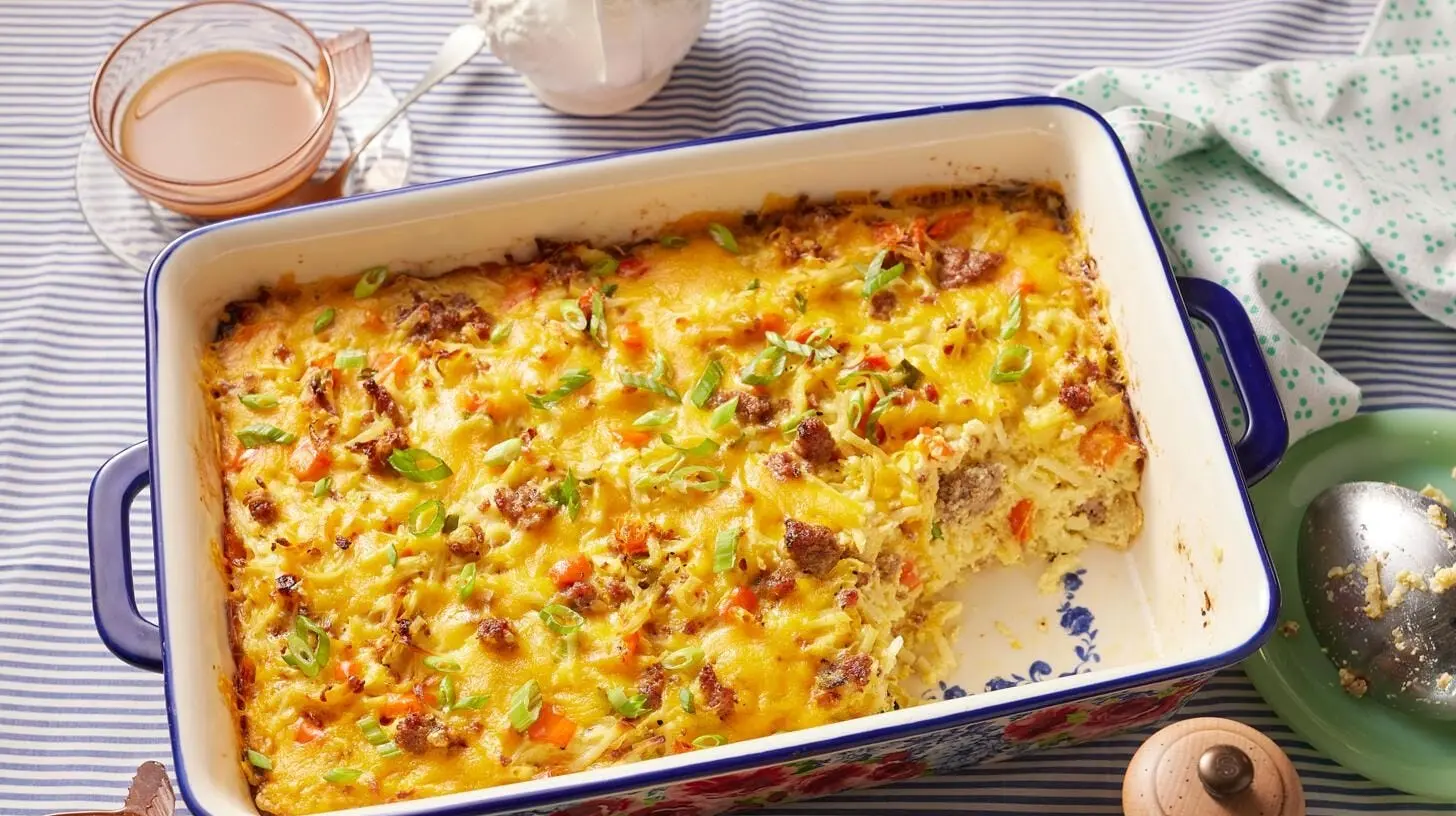
Savory Sausage, Spinach, and Cheddar Breakfast Casserole
Ingredients
Equipment
Method
- Cook breakfast sausage in a large skillet until browned, then drain and set aside.
- Wilt spinach in the same skillet, then squeeze out excess water and set aside.
- Whisk together eggs, milk, salt, pepper, and garlic powder in a large bowl.
- Lightly spray a 9x13 inch baking dish with cooking spray.
- Spread cubed bread evenly in the prepared baking dish.
- Distribute cooked sausage, wilted spinach, and 1.5 cups of cheddar cheese over the bread.
- Pour the egg mixture over everything, ensuring the bread is coated, and gently press down.
- Cover the dish and refrigerate for at least 8 hours or overnight.
- Preheat oven to 375°F (190°C) and remove casserole from refrigerator, uncovering it.
- Sprinkle remaining 0.5 cups of cheddar cheese over the top.
- Bake for 40-50 minutes until golden and cooked through; tent with foil if browning too quickly.
- Let the casserole rest for 5-10 minutes before slicing and serving.