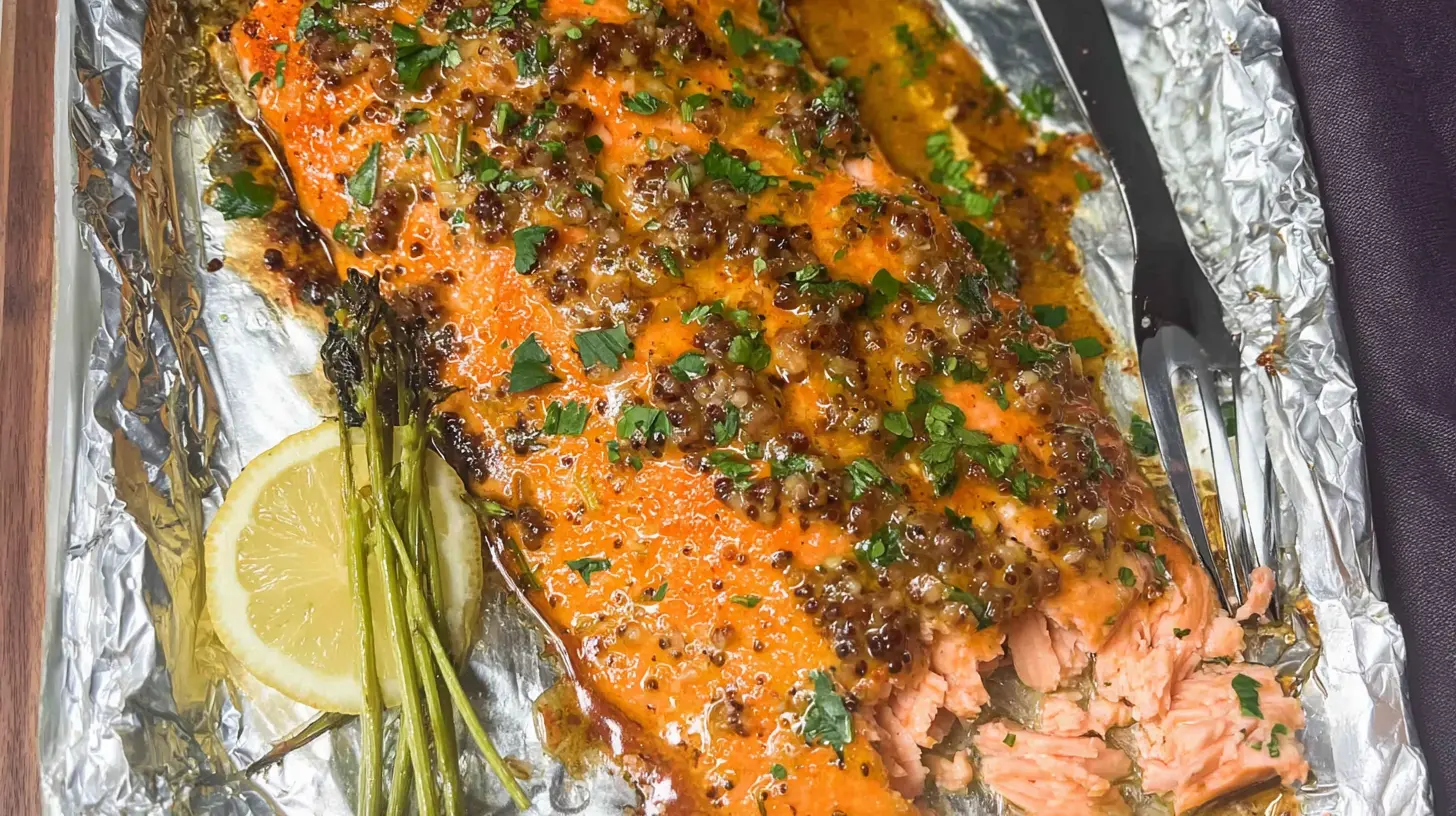
As a busy parent, I’m always looking for dinner ideas that are both nutritious and quick to prepare. Salmon quickly became a weeknight hero in my kitchen. It’s not just about the convenience, though; the health benefits of a high-protein, omega-rich meal are undeniable. Over the years, I’ve picked up quite a few tricks to turn a simple salmon fillet into a truly exceptional meal. If you’re looking to elevate your weeknight routine or simply want to ensure your salmon is perfectly cooked every time, you’re in the right place.
Why You’ll Love This Dish
There’s a reason high-protein salmon dinners are a staple in healthy households everywhere. Beyond its impressive nutritional profile, salmon is incredibly versatile and surprisingly easy to cook once you know a few key techniques. This isn’t just about throwing a fillet in a pan; it’s about transforming it into a meal that feels gourmet without demanding hours of your time. It’s perfect for a speedy weeknight dinner, impressive enough for a casual dinner party, and fantastic for meal prepping healthy lunches. Plus, who doesn’t love a meal that’s both good for you AND tastes amazing?
> “I used to overcook salmon all the time, but these tips changed the game! My fish is now flaky and delicious, every single time. It’s become a family favorite.” – A Satisfied Home Cook
Preparing Your High-Protein Salmon Dinner
Creating a delicious high-protein salmon dinner is more about technique and smart choices than complicated steps. Before we dive into the specific tips, let’s walk through the general flow of how this meal comes together. First, you’ll want to select quality salmon. Then, it’s about preparing your ingredients—think about your desired seasonings, marinades, or rubs. Next comes the actual cooking, where you’ll apply the essential tips to achieve that perfect flaky texture and golden crust. Finally, consider your sides to round out a complete, balanced, and utterly satisfying meal. It’s a straightforward process, but applying these tips will truly set your dinner apart.
What You’ll Need
To embark on your journey to the perfect high-protein salmon dinner, here’s what you’ll typically need. Remember, quality ingredients make a big difference!
- Salmon Fillets: Fresh or frozen (thawed properly) and skin-on or off, depending on your preference. Aim for fillets that are roughly equal in thickness for even cooking.
- Olive Oil: Or another high-smoke point oil like avocado oil.
- Seasonings: Salt (kosher or sea salt is best), freshly ground black pepper, garlic powder, onion powder, paprika.
- Optional Flavor Boosters: Lemon (fresh juice and slices), fresh dill, parsley, thyme, soy sauce, honey, maple syrup, dijon mustard.
- Side Dish Essentials: Vegetables (broccoli, asparagus, green beans), quinoa, brown rice, or a leafy green salad.
Directions to Follow
While the exact steps will vary depending on your chosen cooking method, here’s a general sequence for creating a fantastic high-protein salmon dinner, keeping in mind the 10 tips we’ll discuss later:
- Prepare the Salmon: If using frozen salmon, ensure it’s fully thawed. Pat the fillets thoroughly dry with paper towels. This is a crucial step for achieving a crispy skin!
- Season Generously: Drizzle a little olive oil over the salmon, then season all sides (especially the skin side) with your chosen spices. Don’t be shy with salt and pepper!
- Preheat Your Cooking Surface: Whether it’s an oven, a pan, or a grill, ensure it’s properly preheated to the recommended temperature. This helps with even cooking and a good sear.
- Cook the Salmon: Place the salmon skin-side down first if searing in a pan or grilling. Cook until it reaches your desired doneness (typically 145°F internal temperature).
- Rest and Serve: Once cooked, let the salmon rest for a few minutes before flaking or cutting. This allows the juices to redistribute, leading to a more tender and flavorful fillet. Serve immediately with your chosen sides.
Best Ways to Enjoy It
A high-protein salmon dinner is wonderfully versatile when it comes to serving. For a classic, wholesome meal, pair your perfectly cooked salmon with a vibrant green vegetable like steamed asparagus or roasted broccoli, and a healthy grain such as quinoa or wild rice. If you’re looking for something lighter, a fresh, crisp salad with a citrusy vinaigrette makes an excellent companion. I often love to squeeze fresh lemon juice right over the top of the cooked salmon and sprinkle with fresh dill or parsley for an extra pop of flavor. Don’t forget a little side of tartar sauce or a creamy dill sauce for dipping if that’s your jam!
How to Store & Freeze
Proper storage is key to enjoying your high-protein salmon dinner leftovers safely and deliciously. Once cooked, allow the salmon to cool completely. Store any leftover salmon in an airtight container in the refrigerator for up to 3-4 days.
Reheating: To reheat, I recommend using a low oven (around 275°F / 135°C) for about 10-15 minutes, or until just warmed through. This prevents it from drying out. You can also gently warm it in a skillet over low heat. Avoid microwaving if possible, as it can make the salmon rubbery.
Freezing: If you’ve cooked a large batch and want to save some for longer, cooked salmon can be frozen. Once cooled, wrap individual portions tightly in plastic wrap, then place them in an airtight freezer-safe bag or container. It will keep well for about 2-3 months. Thaw overnight in the refrigerator before reheating.
Helpful Cooking Tips
Achieving that flaky, moist, and perfectly cooked salmon isn’t hard with a few insider tips. Here are some of my go-to tricks:
- Pat it Dry, Seriously: This is paramount! Moisture is the enemy of crispy skin. Use paper towels to pat your salmon fillets very dry before seasoning and cooking.
- Don’t Overcrowd the Pan: If pan-searing, cook in batches if necessary. Overcrowding lowers the pan’s temperature and steams the fish instead of searing it.
- Skin-Side Down First: When pan-searing or grilling, always start with the skin-side down. This crisps the skin beautifully and acts as a protective barrier, preventing the flesh from overcooking too quickly.
- Cook to 145°F: An internal temperature of 145°F (63°C) is ideal for perfectly cooked salmon. Use an instant-read thermometer inserted into the thickest part of the fillet.
- Give it Space: When roasting, arrange fillets in a single layer on a baking sheet, ensuring they aren’t touching.
- Acid is Your Friend: A squeeze of fresh lemon juice or a splash of vinegar just before serving brightens the flavors and cuts through the richness of the salmon.
- Don’t Flip Too Soon (or Too Much): If pan-frying, let the skin get nice and crispy before attempting to flip. Once flipped, cook only until the desired doneness.
- Rest, Just Like Steak: After cooking, let the salmon rest for 5 minutes off the heat. This allows the juices to redistribute, resulting in a more tender and moist fillet.
- Quality Matters: While affordability is great, investing in higher quality salmon (wild-caught whenever possible) generally yields better flavor and texture.
- Experiment with Flavors: Don’t stick to just salt and pepper! Try a simple garlic and herb rub, a honey-soy marinade, or a zesty lemon-dill sauce to keep things interesting.
Creative Twists
There are so many ways to keep your high-protein salmon dinners exciting!
- Mediterranean Style: Rub with olive oil, oregano, garlic, and top with Kalamata olives, cherry tomatoes, and feta cheese when serving.
- Asian Inspired: Marinate in soy sauce, ginger, garlic, and a touch of sesame oil. Serve with a sprinkle of sesame seeds and sliced green onions.
- Spicy Kick: Add a pinch of cayenne pepper or chili flakes to your seasoning mix, or drizzle with a sriracha-mayo after cooking.
- Herb Crust: Pulse fresh herbs (dill, parsley, chives) with breadcrumbs, a little lemon zest, and olive oil, then press onto the top of the salmon before baking for a flavorful crust.
- Sheet Pan Dinner: Combine salmon fillets on a baking sheet with quick-cooking vegetables like asparagus, bell peppers, or cherry tomatoes, tossed in olive oil and seasonings, for an easy one-pan meal.
Common Questions
How do I know when my salmon is cooked through?
The best way is to use an instant-read thermometer. Insert it into the thickest part of the fillet; it should register 145°F (63°C). Visually, cooked salmon will flake easily with a fork and change from translucent to opaque. It should still look moist, not dry.
Can I cook salmon from frozen?
Yes, you can! However, the texture might be slightly different. For best results, thaw salmon overnight in the refrigerator or run it under cold water until thawed. If cooking from frozen, add about 5-10 minutes to the cooking time, and ensure it reaches the proper internal temperature.
What if I don’t like the skin?
Even if you don’t eat the skin, cooking salmon with the skin on, especially skin-side down first, can help protect the delicate flesh from overcooking and keeps it moister. You can easily remove the crispy skin after cooking if you prefer not to eat it. It often lifts right off.
Is farmed or wild-caught salmon better?
Both have nutritional benefits. Wild-caught salmon typically has a leaner profile and a more distinct, natural flavor. Farmed salmon can be higher in omega-3s, but also potentially in overall fat. Choose what’s accessible and fits your budget; both are great sources of protein and healthy fats.
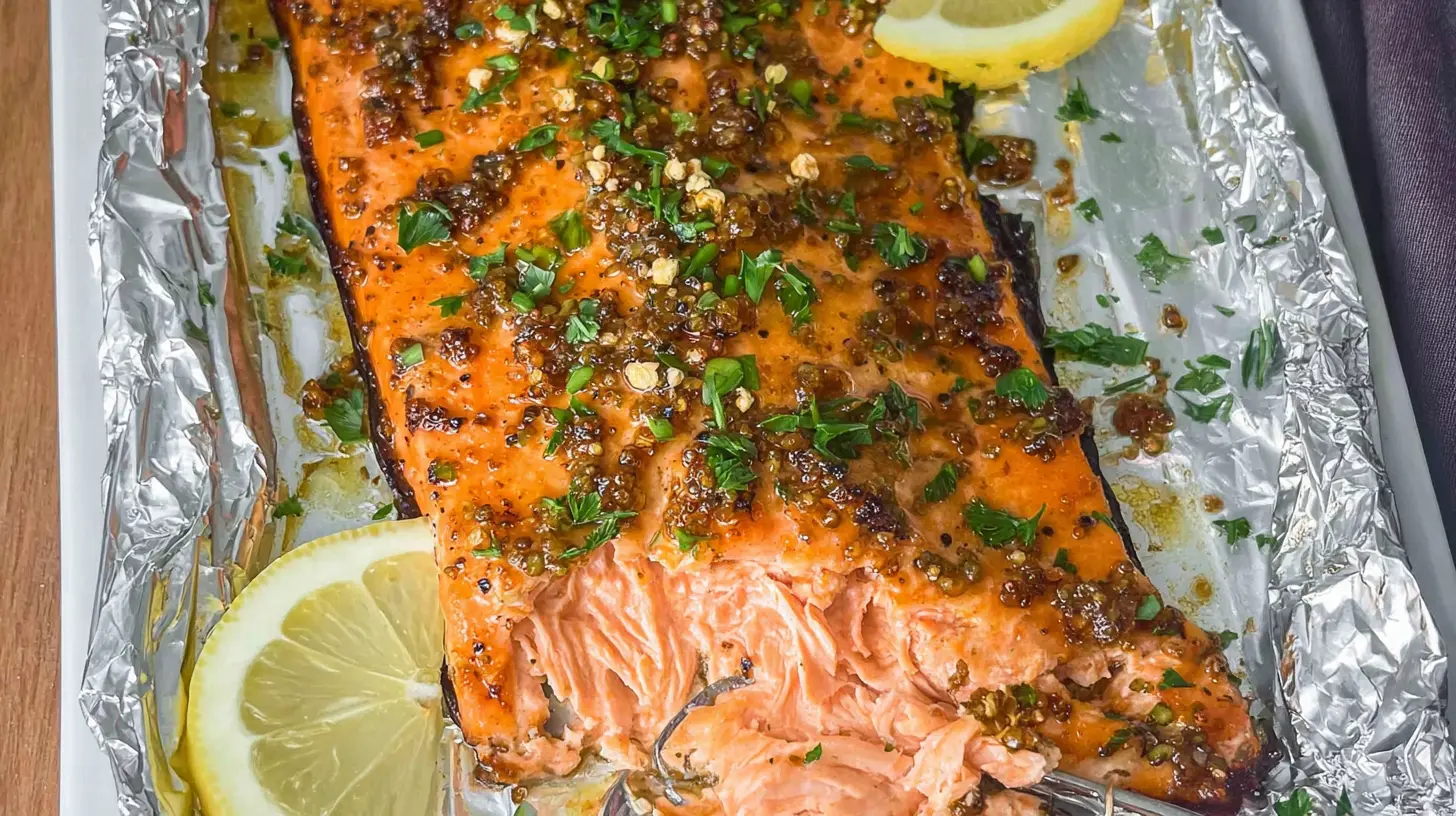
Zesty Lemon-Dill Pan-Seared Salmon with Roasted Asparagus
Ingredients
Equipment
Method
- Preheat your oven to 400°F (200°C) to get ready for roasting.
- Prepare the asparagus by tossing it with olive oil, salt, and pepper on a baking sheet, then spread it in a single layer.
- Pat the salmon fillets dry and season them evenly on both sides with olive oil, salt, pepper, garlic powder, onion powder, and paprika.
- Roast the asparagus in the preheated oven for 10-12 minutes until it is tender-crisp.
- While the asparagus roasts, heat an oven-safe skillet over medium-high heat until it is hot.
- Place salmon fillets skin-side down in the hot skillet and cook for 4-5 minutes until the skin is crispy and releases easily.
- Flip the salmon and cook for another 3-5 minutes, or until it reaches an internal temperature of 145°F (63°C); optionally, add butter during the last minute and baste the salmon.
- Remove the salmon from heat, let it rest for 5 minutes, then squeeze fresh lemon juice over both the salmon and asparagus, and sprinkle with fresh chopped dill before serving.