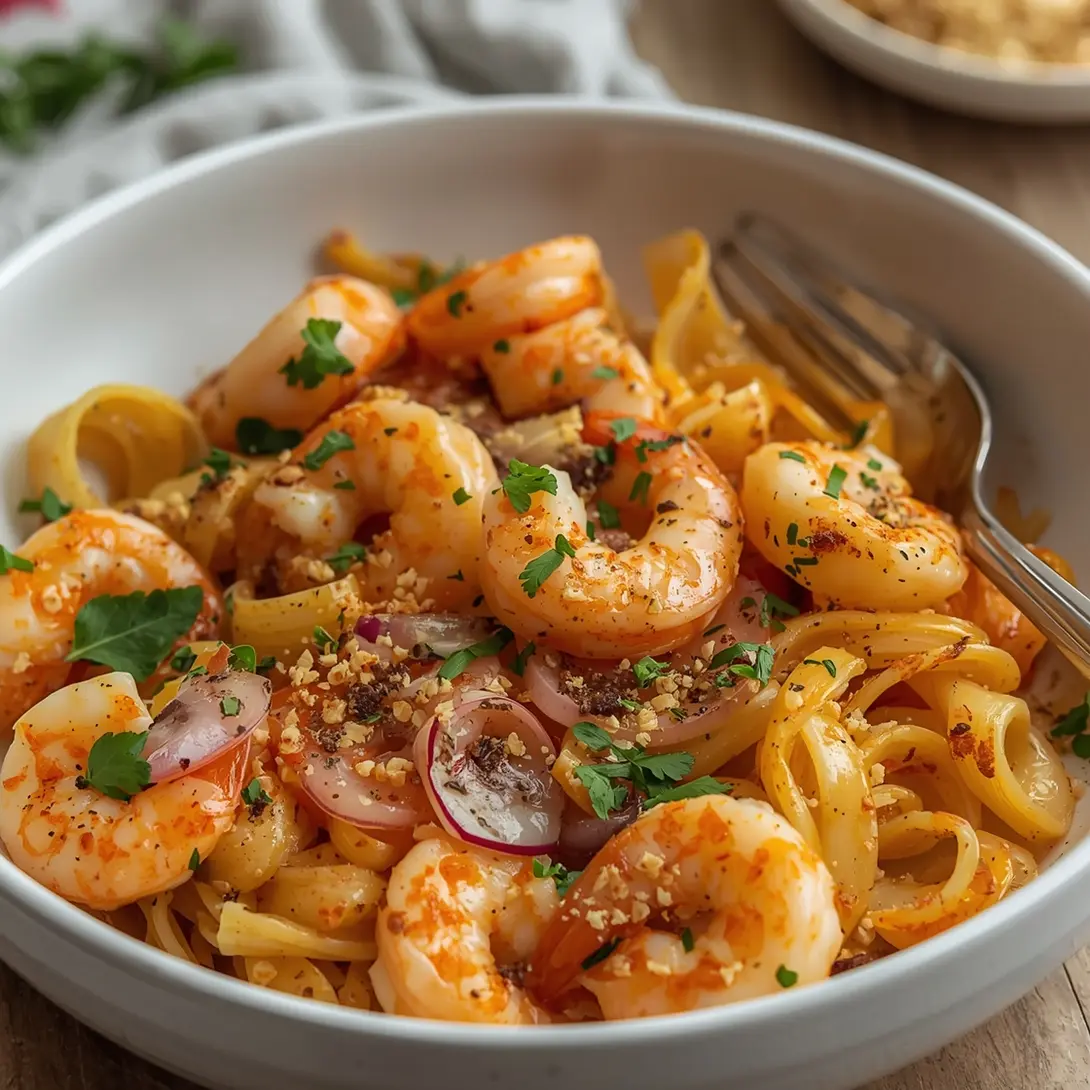
- Prep the pasta – Boil linguine until al dente, then set aside with a splash of reserved cooking water.
- Season the shrimp – Lightly coat with salt, pepper, and one of the secret ingredients for depth.
- Sauté aromatics – Garlic, red‑pepper flakes, and a touch of smoked paprika release their perfume in butter and olive oil.
- Build the sauce – Add white wine (or broth), lemon zest, and that second secret ingredient to create a glossy, slightly tangy base.
- Finish with greens – Toss in spinach until wilted, then return the cooked shrimp and linguine to the pan, marrying everything with the final secret ingredient—parmesan‑infused butter.
Understanding these five stages helps you stay organized, time each step efficiently, and avoid overcooking the shrimp or drowning the pasta in sauce.
—Garlic Shrimp Linguine with Spinach: 5 Secret Ingredients to Elevate Your Pasta Game
Ingredient Quantity Notes / Substitutions Linguine (dry) 12 oz (340 g) Any long pasta works, but linguine holds sauce best. Large shrimp, peeled & deveined ½ lb (225 g) Keep shells on for extra flavor, then remove before serving. Fresh baby spinach 4 cups (120 g) Roughly chopped if leaves are large. Garlic, minced 4 cloves Use roasted garlic for a sweeter note. Secret #1 – Smoked paprika ½ tsp Adds subtle smokiness; omit for a pure garlic‑lemon profile. Secret #2 – White wine or low‑sodium chicken broth ½ cup (120 ml) Wine gives acidity; broth keeps it non‑alcoholic. Secret #3 – Lemon zest & juice Zest of 1 lemon + 2 tbsp juice Brightens the sauce and balances butter. Secret #4 – Red‑pepper flakes ¼ tsp (optional) Gives a gentle heat without overwhelming. Secret #5 – Parmesan‑infused butter 3 tbsp butter mixed with 2 tbsp grated Parmesan Creates a luxurious, silky finish. Olive oil 2 tbsp For sautéing; use extra‑virgin for flavor. Salt & freshly ground black pepper To taste Essential for seasoning each layer. Fresh parsley, chopped (garnish) 2 tbsp Optional but adds color and fresh herb aroma.
Tip: If you’re allergic to dairy, swap the Parmesan‑infused butter with a dairy‑free “nut‑based” butter and omit the cheese—still creamy, just different.
—Cooking Method
- Boil the pasta – Fill a large pot with salted water, bring to a rolling boil, and cook linguine according to package directions (usually 9–11 minutes). Reserve ½ cup of pasta water, then drain and set aside.
- Season the shrimp – Pat shrimp dry with paper towels. Sprinkle with salt, pepper, and the smoked paprika. Toss to coat evenly.
- Sauté aromatics – In a wide, deep skillet, heat olive oil over medium heat. Add minced garlic and red‑pepper flakes; stir for 30 seconds until fragrant, being careful not to brown the garlic.
- Cook the shrimp – Push garlic to the side of the pan. Add shrimp in a single layer; sear 1–2 minutes per side until pink and just opaque. Transfer shrimp to a plate and cover loosely with foil.
- Deglaze – Pour white wine (or broth) into the hot pan, scraping up the browned bits with a wooden spoon. Let the liquid reduce by half, about 2 minutes.
- Add lemon – Stir in lemon zest and juice; let the mixture simmer for another minute.
- Introduce spinach – Add the fresh spinach, stirring until it wilts, about 1 minute.
- Combine pasta & shrimp – Return shrimp to the skillet, then add the cooked linguine. Toss everything together, adding reserved pasta water a little at a time to loosen the sauce if needed.
- Finish with butter – Drop the Parmesan‑infused butter into the pan, stirring quickly until it emulsifies, coating each strand of linguine with a glossy sheen.
- Season & serve – Taste, adjust salt and pepper, sprinkle chopped parsley, and serve immediately on warmed plates.
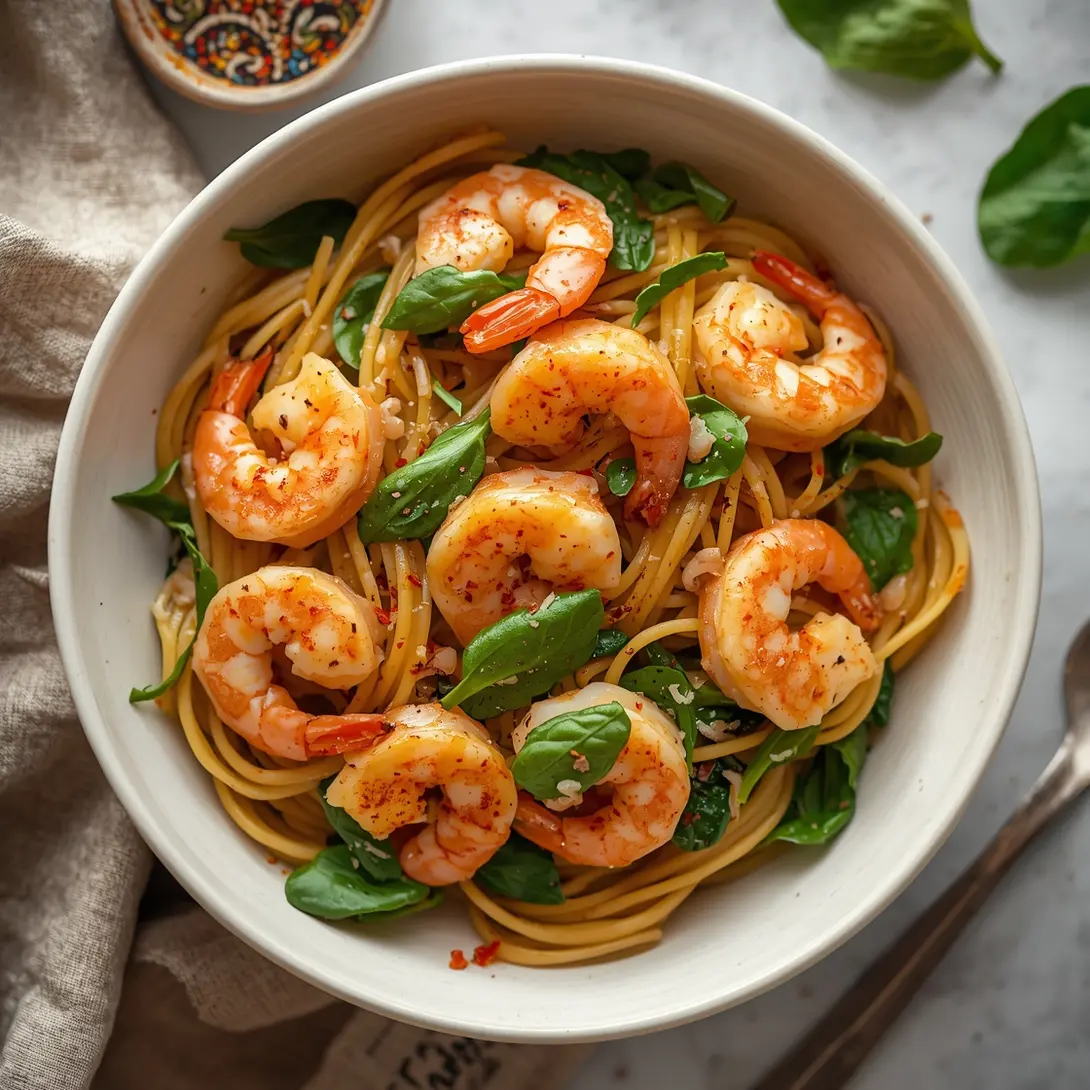
—[FINAL_IMAGE]
Plating & Pairings Plate the linguine in a shallow bowl, allowing the glossy sauce to pool at the bottom. Nestle the pink shrimp on top, then garnish with a light drizzle of extra‑virgin olive oil and a sprinkle of fresh parsley.
Creative serving ideas
* Citrus twist – Add a few thin lemon or orange slices around the plate for a colorful, fragrant accent. * Crunch factor – Toasted pine nuts or slivered almonds sprinkled over the top contribute texture and a nutty flavor. * Side companions – Serve with a crisp arugula salad tossed in a lemon‑vinaigrette, or a side of garlic‑roasted broccoli for extra veggies. * Wine match – A chilled glass of Pinot Grigio or Vermentino balances the buttery sauce and enhances the shrimp’s briny notes.
—The Best Way to Save Extras
Refrigeration – Transfer leftovers to an airtight container within two hours of cooking. They keep well for 2–3 days.
Reheating – To preserve the sauce’s silkiness, reheat in a skillet over low heat, adding a splash of broth or pasta water and tossing gently until warmed through. Microwaving is acceptable but may cause the sauce to separate; stir halfway through and add a teaspoon of butter to revive the gloss.
Freezing – This dish freezes best without the spinach (which can turn mushy). Store the pasta, shrimp, and sauce together in a freezer‑safe bag, removing as much air as possible. Freeze for up to 2 months. Thaw overnight in the refrigerator, then reheat in a skillet, adding fresh spinach at the end of the reheating stage.
Food safety tip – Shrimp should never sit at room temperature for more than one hour. When reheating, ensure the internal temperature reaches 165 °F (74 °C).
—Tricks for Success
- Pat the shrimp dry – Moisture creates steam, which prevents a proper sear and can make the sauce watery.
- Don’t overcook the pasta – Al dente pasta continues to absorb sauce while it sits, preventing sogginess.
- Use the pasta water – The starchy water helps the butter emulsify and binds the sauce to each strand.
- Add the secret smoked paprika early – This allows the smoky flavor to develop without burning.
- Finish with cold butter – Cold, Parmesan‑infused butter creates a velvety finish; adding it off the heat prevents the butter from separating.
—Different Ways to Try It
* Spicy Sriracha version – Replace red‑pepper flakes with 1 tsp Sriracha and finish with a drizzle of chili oil. * Creamy Cajun twist – Add ¼ cup heavy cream and 1 tsp Cajun seasoning after deglazing; skip the Parmesan‑infused butter for a richer sauce. * Vegan swap – Use plant‑based shrimp (made from soy or konjac) and substitute butter with a garlic‑infused olive oil; toss in nutritional yeast instead of Parmesan. * Mediterranean flair – Stir in sun‑dried tomatoes, olives, and a handful of crumbled feta after the spinach wilts. * Herb‑infused – Mix fresh basil, thyme, or oregano into the sauce for an aromatic profile; garnish with the same herb for visual appeal.
—Your Questions Answered
Q: How long does the entire recipe take from start to finish? A: About 28 minutes total—10 minutes to boil the pasta, 5 minutes to sear the shrimp, and the remaining time for sauce assembly.
Q: Can I use frozen shrimp instead of fresh? A: Absolutely. Thaw shrimp overnight in the refrigerator or place them in a sealed bag under cold running water for 10 minutes. Pat dry before seasoning to ensure a good sear.
Q: Is there a low‑sodium version of this dish? A: Yes. Use low‑sodium broth (or omit broth entirely), reduce added salt, and choose a no‑salt-added Parmesan. The lemon zest and garlic still provide robust flavor without extra sodium.
Q: What if I don’t have linguine? A: Any long pasta—spaghetti, fettuccine, or bucatini—works. For a gluten‑free option, try brown rice linguine or chickpea pasta.
Q: Can I make this recipe dairy‑free? A: Swap the Parmesan‑infused butter with a dairy‑free butter alternative and omit the cheese. A splash of coconut cream can add richness if desired.
—
Enjoy the symphony of garlic, shrimp, and spinach on a bed of perfectly al dente linguine, all lifted by five secret ingredients that turn a simple weeknight dinner into a memorable culinary experience. Bon appétit!
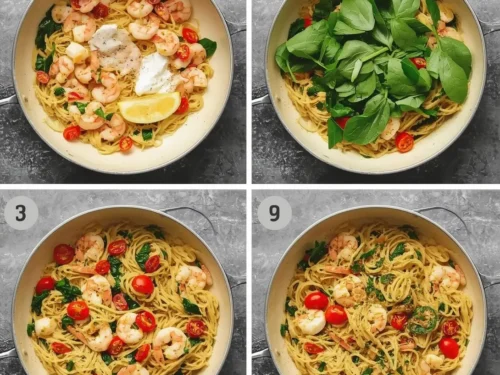
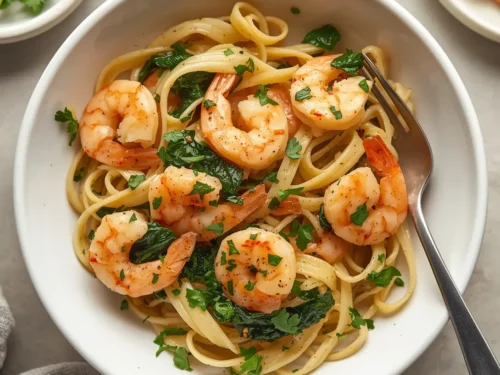
Classic Garlic Shrimp Linguine with Spinach
This classic recipe features succulent shrimp and tender linguine tossed with fresh spinach in a flavorful garlic and white wine sauce, finished with a hint of lemon and Parmesan.
Ingredients
Equipment
Method
Cooking the Pasta
- Bring a large pot of salted water to a rolling boil and cook the linguine according to package directions, typically 9-11 minutes.
- Reserve ½ cup of pasta water, then drain the cooked linguine and set it aside.
Preparing the Shrimp
- Pat the peeled and deveined shrimp dry with paper towels.
- Season the shrimp with salt, pepper, and smoked paprika, tossing to ensure even coating.
Notes
For extra depth of flavor, use high-quality white wine for the sauce. If you prefer a milder taste, chicken broth is a great alternative. Don't overcrowd the pan when cooking the shrimp to ensure they cook evenly and get a nice sear.