It’s that time again when many aspiring college students start feeling the delicious, nerve-wracking anticipation of higher education. But for many, that excitement can quickly turn to dread when thinking about the financial burden. I remember those days distinctly – poring over endless scholarship applications, trying to find just the right fit. It’s tough, but absolutely worth it. Luckily, there’s a consistent stream of opportunities available if you know where to look and, more importantly, when to apply. This article will shine a light on some fantastic scholarship opportunities with deadlines in August 2026, helping you get a head start on funding your academic dreams.
Why you’ll love these opportunities
Securing scholarships is arguably one of the smartest moves you can make as a college-bound student. Unlike loans, scholarships don’t need to be repaid, meaning you can graduate with less debt and more freedom to pursue your passions. These August 2026 deadlines are particularly great because they represent a prime window – often, students are focused on admissions essays or summer plans, overlooking these earlier scholarship opportunities. Getting ahead of the curve now can significantly reduce stress later, allowing you to focus on your studies rather than financial worries. It’s also a chance to really reflect on your achievements and goals, which is a valuable exercise in itself.
> “Applying for scholarships felt overwhelming at first, but keeping track of deadlines like these made a huge difference. I ended up getting several awards, and it made pursuing my dream degree so much more feasible!” – A grateful scholarship recipient
How to prepare for scholarship applications
Getting your applications in order isn’t just about hitting ‘submit’ on time. It requires a bit of strategy and preparation. Before you even look at specific scholarships, you should gather some essential documents and information. This typically includes your academic transcripts, a list of your extracurricular activities and volunteer work, any awards or honors you’ve received, and contact information for recommenders. You’ll also want to have a strong personal statement or essay drafted, as many scholarships require one. Tailoring this essay to each specific scholarship is key, so having a solid base to work from will save you a lot of time.
What you’ll need to apply
While each scholarship has its unique requirements, a common set of items will generally be requested. Think of this as your scholarship application toolkit:
- Academic Transcripts: Official copies of your high school (and/or college) grades.
- Letters of Recommendation: Usually from teachers, counselors, or employers who know you well. Aim for people who can speak to your character, work ethic, and academic potential.
- Personal Statement/Essay: Often the most crucial part. This is your chance to tell your story, explain your goals, and convince the committee why you deserve the award.
- Resume/Activity List: A detailed list of your extracurriculars, volunteer work, awards, and any jobs you’ve held.
- Financial Information: Some need-based scholarships will require FAFSA information or other proof of financial circumstances.
- Specific Questions/Short Answers: Some applications have tailored questions you’ll need to address.
Directions to follow for these deadlines
Here’s a general roadmap for tackling these August 2026 scholarship deadlines:
- Start Early: As of now, you have ample time. Use it wisely to research each scholarship carefully.
- Verify Eligibility: Read the criteria thoroughly. Don’t waste time on scholarships you don’t qualify for.
- Gather Materials: Collect all necessary documents well in advance, especially transcripts and recommendation letters, as these can take time to process.
- Craft Compelling Essays: Tailor your essays to each specific scholarship’s theme and mission. Proofread meticulously!
- Seek Feedback: Ask a teacher, counselor, or trusted adult to review your application materials, especially your essays.
- Submit on Time: Mark these August 2026 deadlines clearly on your calendar. Don’t wait until the last minute – technology can be unpredictable.
- Keep Records: Save copies of everything you submit, including the exact date and time.
College Scholarship Deadlines Aug 2026: Best 7 Awards
- \[Scholarship Name 1]: Typically for students pursuing a degree in \[specific field, e.g., STEM, Arts, Business]. Requires a minimum GPA of \[X.X] and an essay on \[specific topic]. Deadline: August 15, 2026.
- \[Scholarship Name 2]: Geared towards students demonstrating community service and leadership skills. Open to all majors. Requires two letters of recommendation and a portfolio showcasing their service. Deadline: August 20, 2026.
- \[Scholarship Name 3]: A regional scholarship for students from \[specific state/county]. Focuses on academic merit and financial need. Requires FAFSA information and a personal statement. Deadline: August 25, 2026.
- \[Scholarship Name 4]: For students with diverse backgrounds or those overcoming significant challenges. Seeks compelling personal stories. Essay-based application. Deadline: August 10, 2026.
- \[Scholarship Name 5]: An essay contest scholarship on a rotating theme relating to current events or societal impact. Open to high school seniors. Deadline: August 30, 2026.
- \[Scholarship Name 6]: Specific to students entering a \[specific major, e.g., nursing, education, engineering]. Often requires an interview in addition to written application. Deadline: August 18, 2026.
- \[Scholarship Name 7]: A creative arts scholarship for students majoring in creative writing, visual arts, or performing arts. Requires a submission of work (e.g., writing sample, portfolio, audition video). Deadline: August 22, 2026.
(Note: These scholarship names and details are illustrative. Always verify exact deadlines and requirements directly on the scholarship provider’s official website.)
What happens after you apply
Once you’ve submitted your applications, the waiting game begins. This can be the hardest part! It’s important to remember that scholarship committees have a lot of applications to review, so it can take some time. Most scholarships will notify applicants directly, whether they’ve been selected or not. If you are awarded a scholarship, carefully read and follow all instructions for accepting the award, which often involves submitting additional paperwork directly to your college’s financial aid office. If you don’t receive an award, don’t be discouraged – there are always more opportunities!
Helpful cooking tips (for scholarship applications)
Think of your scholarship application process like preparing a gourmet meal. Every ingredient (your academic record, essays, recommendations) needs to be top-notch, and the presentation (organization, clarity, proofreading) is just as important.
- Start a Spreadsheet: Keep track of every scholarship you apply to – deadlines, requirements, submission status, and contact information.
- Master the Personal Statement: This is your chance to shine. Make it authentic, engaging, and directly address the scholarship’s mission if possible.
- Proofread Relentlessly: Typos and grammatical errors can make a strong application look sloppy. Read it aloud, use grammar checkers, and have someone else review it.
- Don’t Procrastinate: August deadlines might seem far away now, but time flies. Get ahead to avoid stress and ensure quality submissions.
- Follow Instructions Precisely: Scholarship committees look for attention to detail. If they ask for 500 words, don’t submit 800.
Creative twists: expanding your scholarship search
While these August deadlines are a fantastic starting point, don’t limit yourself. Think broadly about your unique background and aspirations:
- Local Scholarships: Your high school counseling office, local community foundations, and civic organizations often offer scholarships with less competition.
- Employer-Based Scholarships: Does your or your parents’ employer offer scholarships for employees or their dependents?
- Major-Specific Scholarships: Look for professional organizations related to your intended major.
- Unusual Scholarships: Some scholarships fund very specific niches – left-handed students, tall people, students with unique hobbies. Don’t assume there isn’t one for you!
- Niche Interests: If you’re passionate about a specific cause, sport, or art form, seek out scholarships related to those interests.
Common questions
How many scholarships should I apply for?
A: As many as you realistically can, provided you can submit a high-quality application for each. It’s often a numbers game, but quality over quantity is key. A strong application for 10 scholarships is better than 50 rushed, poor ones.
What if I don’t meet all the eligibility requirements for a scholarship?
A: If you don’t meet a core requirement (like GPA or specific major), it’s best to move on. However, if you’re slightly off on a less crucial point, you might still consider applying if you can make a compelling case in your essay. When in doubt, contact the scholarship provider.
Do I need to be a top student to get a scholarship?
A: Absolutely not! While academic merit scholarships exist, there are countless others based on leadership, community service, specific talents, financial need, ethnicity, background, and even unique hobbies. Don’t let your GPA deter you from seeking opportunities.
When is the best time to start applying for scholarships?
A: The sooner, the better! Many scholarships open up a year before college enrollment. For incoming seniors, starting the summer before your senior year is ideal. For those already in college, continuously look for opportunities throughout your academic career.
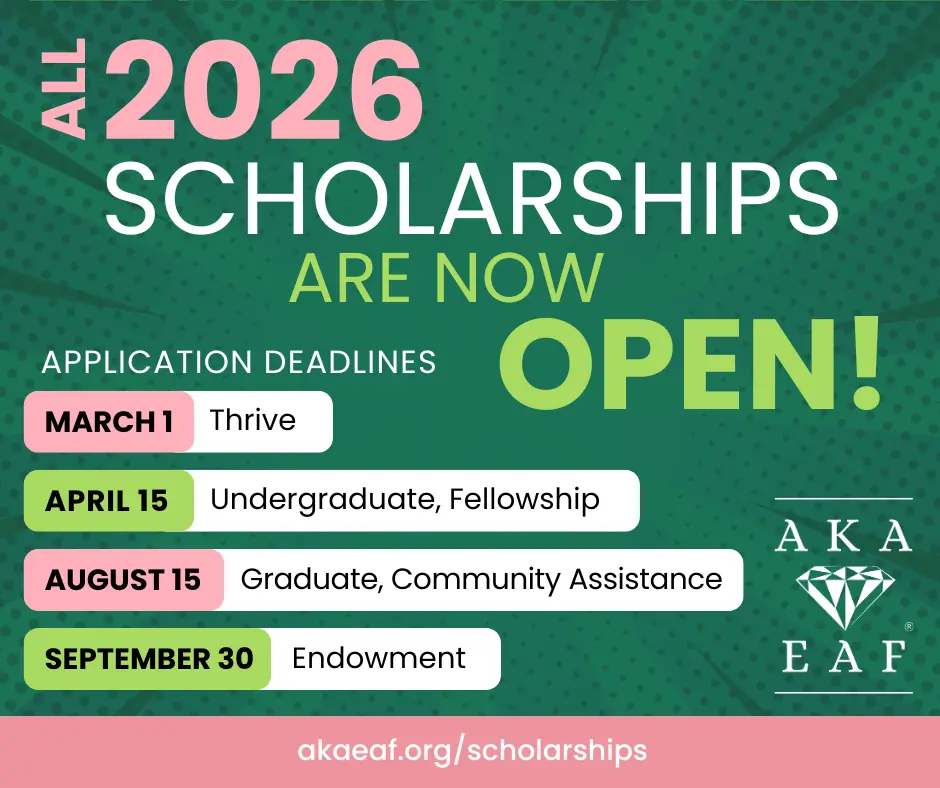
Financial Freedom Scholarship Feast (August 2026 Edition)
Ingredients
Equipment
Method
- Secure official academic transcripts well in advance and identify potential recommenders to request letters with plenty of notice.
- Begin drafting a strong base personal statement or essay and compile a comprehensive resume or activity list.
- If applying for need-based scholarships, have FAFSA information or other financial proofs prepared.
- Research available scholarships, focusing on August 2026 deadlines, and verify eligibility criteria for each to avoid wasted effort.
- Create a spreadsheet to track each scholarship's name, deadline, requirements, and submission status.
- Tailor your base personal statement/essay to each specific scholarship, ensuring it addresses the theme, mission, and prompt to tell your story and explain your goals.
- Address any unique questions or short answers required by individual applications.
- Relentlessly proofread all application materials, reading aloud, using grammar checkers, and asking trusted individuals to review everything.
- Submit all application materials electronically or by mail, ensuring they meet the August 2026 deadlines precisely and accounting for potential technology issues.
- Keep meticulous records of everything submitted, including exact dates and times.
- Patiently await notification from scholarship committees and carefully follow all instructions for accepting any awarded scholarships.
- If not awarded, continue searching for other opportunities, including local or major-specific scholarships.