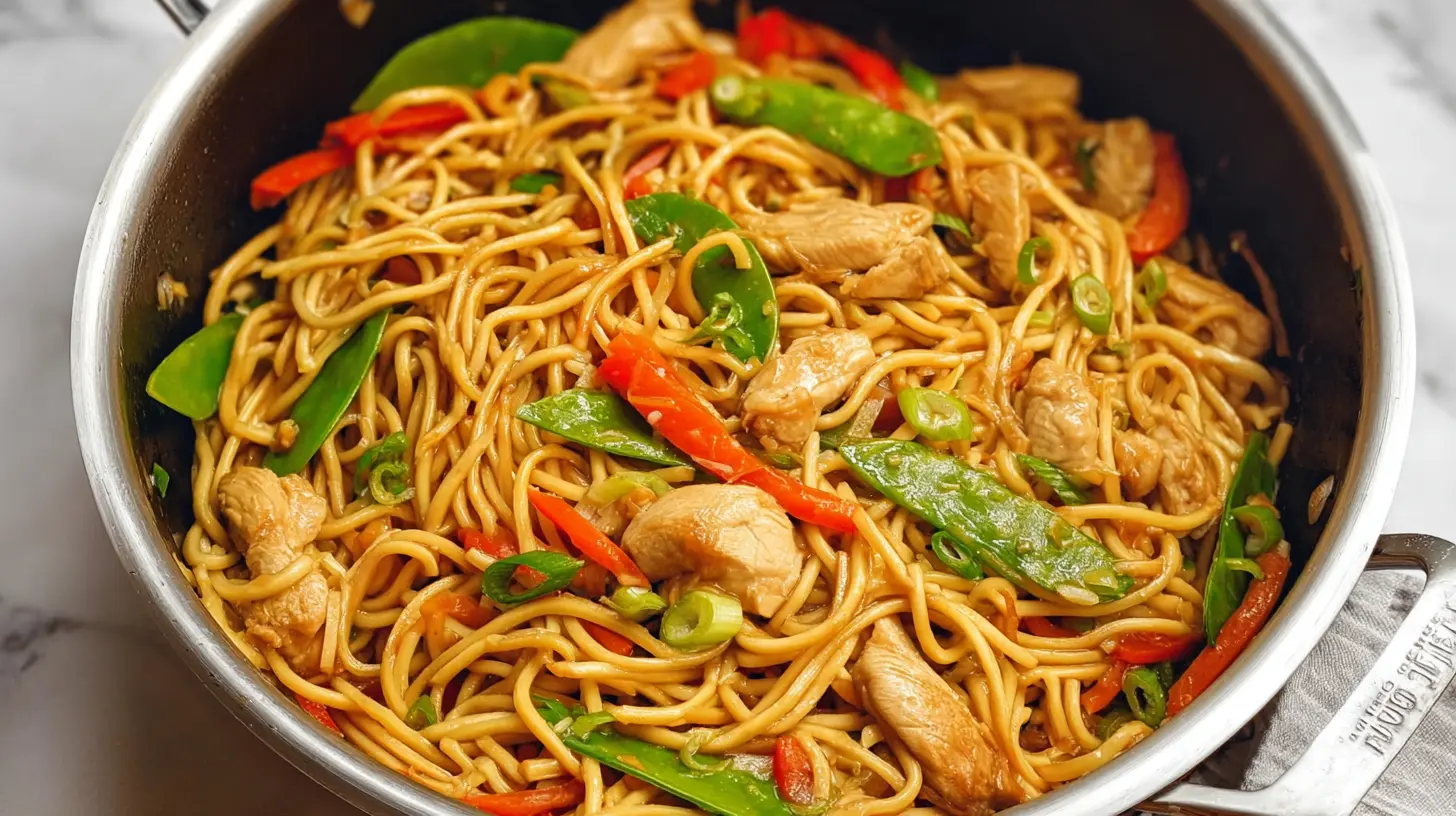
My journey with Chicken Lo Mein started with a lot of trial and error. For years, my homemade versions just never quite hit that sweet spot of perfectly chewy noodles, tender chicken, and a rich, savory sauce that you get from your favorite takeout spot. I was tired of soggy vegetables and clumpy pasta. But with a bit of persistence and some incredible advice from experienced chefs, I finally cracked the code. If you’ve been on a similar quest, this article is for you. We’re not just making Chicken Lo Mein; we’re mastering it with 8 must-know cooking tips that will elevate your dish from good to absolutely glorious.
Why You’ll Love This Dish
There’s a reason Chicken Lo Mein is a staple on almost every Chinese restaurant menu, and an even better reason to make it at home! Beyond the sheer deliciousness, this dish offers a fantastic balance of flavors and textures – savory chicken, crisp-tender vegetables, and those irresistible, springy noodles, all coated in a glossy, umami-packed sauce. It’s incredibly versatile, making it perfect for a quick weeknight dinner when you need something satisfying but don’t have hours to spare. Plus, cooking it yourself means you have total control over the ingredients, allowing you to load up on your favorite veggies or adjust the spice level to your liking. It’s comforting, hearty, and universally loved – a true crowd-pleaser that often becomes a regular in the family meal rotation.
> “I used to always order lo mein, but after trying this recipe, I’m never going back to takeout! The tips for noodle prep made all the difference. My family raved about it!” – A Happy Home Cook
How This Recipe Comes Together
Crafting perfect Chicken Lo Mein might seem daunting, but it’s actually quite straightforward when you break it down. The process essentially involves three main components: preparing your ingredients (slicing chicken and vegetables), cooking the noodles to the ideal texture, and then bringing everything together in a hot wok or large skillet with a flavorful sauce. The key is often in the timing and having everything prepped and ready to go before you even turn on the heat. You’ll marinate the chicken briefly, assemble your sauce, chop your veggies, and then it’s a quick series of stir-frying steps that brings this vibrant dish to life in minutes.
What You’ll Need
Here’s a rundown of the key components for your ultimate Chicken Lo Mein. Don’t worry if you don’t have everything exactly as listed – there’s always room for flexibility!
For the Noodles:
- 1 lb fresh lo mein noodles (or dried egg noodles or spaghetti if fresh are unavailable)
For the Chicken & Marinade:
- 1 lb boneless, skinless chicken breasts or thighs, thinly sliced
- 1 tbsp soy sauce
- 1 tsp cornstarch
- 1 tsp sesame oil
For the Sauce:
- 1/4 cup soy sauce (low sodium preferred)
- 2 tbsp oyster sauce (or vegetarian oyster sauce for a meat-free option)
- 1 tbsp dark soy sauce (for color and depth, optional)
- 1 tbsp rice vinegar
- 1 tbsp sugar
- 1 tsp sesame oil
- 1/2 tsp white pepper
For the Vegetables & Aromatics:
- 2 tbsp vegetable oil (or other neutral oil)
- 3 cloves garlic, minced
- 1 inch fresh ginger, finely grated
- 1 medium onion, thinly sliced
- 2 cups mixed vegetables (e.g., carrots julienned, bell peppers sliced, snap peas, bok choy, mushrooms)
- 2 cups shredded cabbage
Garnish (Optional):
- Chopped green onions
- Toasted sesame seeds
Directions to Follow
Let’s get cooking! Follow these steps for your best Chicken Lo Mein yet.
- Prepare the Noodles: Cook the lo mein noodles according to package directions until al dente. They should be cooked but still have a slight bite. Drain them immediately and rinse under cold water to stop the cooking process and prevent sticking. Toss with a tiny bit of sesame oil to keep them from clumping. Set aside.
- Marinate the Chicken: In a medium bowl, combine the thinly sliced chicken, 1 tablespoon soy sauce, 1 teaspoon cornstarch, and 1 teaspoon sesame oil. Mix well and let it marinate for at least 15 minutes while you prep other ingredients. This tenderizes the chicken and starts building flavor.
- Whisk the Sauce: In a small bowl, whisk together the soy sauce, oyster sauce, dark soy sauce (if using), rice vinegar, sugar, sesame oil, and white pepper. Set aside.
- Stir-Fry Chicken: Heat 1 tablespoon of vegetable oil in a large wok or skillet over high heat until shimmering. Add the marinated chicken in a single layer and cook for 2-3 minutes per side, until browned and cooked through. Remove the chicken from the wok and set aside.
- Sauté Aromatics & Vegetables: Add the remaining 1 tablespoon of vegetable oil to the wok. Add the minced garlic and grated ginger and stir-fry for about 30 seconds until fragrant. Add the sliced onion, carrots, and bell peppers (or your heartier vegetables) and stir-fry for 2-3 minutes until slightly tender-crisp.
- Add Remaining Vegetables: Incorporate the snap peas, bok choy, shredded cabbage, or any other quick-cooking vegetables. Stir-fry for another 1-2 minutes until they are bright green and crisp-tender.
- Combine Everything: Return the cooked chicken to the wok with the vegetables. Add the cooked and drained noodles. Pour the prepared sauce evenly over the noodles and chicken.
- Toss and Serve: Using tongs, toss everything gently but thoroughly for 1-2 minutes, ensuring the noodles and all ingredients are evenly coated in the sauce. Serve immediately, garnished with chopped green onions and toasted sesame seeds if desired.
How to Serve It
Chicken Lo Mein is a fantastic stand-alone meal, packed with protein, carbs, and veggies. However, if you’re hosting or just want to round out your meal, it pairs wonderfully with a side of crispy spring rolls or delicate potstickers. A light cucumber salad with a sesame dressing can offer a refreshing contrast, or you could serve it alongside some steamed broccoli or blanched asparagus for extra greens. For a truly authentic experience, pair it with some hot jasmine tea.
Keeping Leftovers Fresh
Chicken Lo Mein is often just as delicious, if not more so, the next day! To store leftovers, allow the dish to cool completely at room temperature (this usually takes 30-60 minutes, but don’t leave it out for more than 2 hours). Transfer the lo mein to an airtight container and refrigerate for up to 3-4 days.
Reheating: For the best results, reheat lo mein in a skillet or wok over medium heat with a tiny splash of water or broth to help rehydrate the noodles and sauce. Stir frequently until heated through. You can also microwave it, though the noodles might lose a bit of their chewiness this way. Ensure it’s piping hot before serving. This dish doesn’t typically freeze well due to the noodles potentially becoming mushy upon thawing.
Helpful Cooking Tips
Achieving truly spectacular Chicken Lo Mein comes down to a few key techniques. These “8 Must-Know Cooking Tips” will make all the difference:
- Prep Everything First (Mise en Place): This is paramount for stir-fries. Once the wok is hot, things move fast. Have all your chicken marinated, sauce whisked, and vegetables chopped and ready to go beside you.
- Use the Right Noodles: Fresh lo mein noodles (often found in the refrigerated section of Asian markets) are ideal. If unavailable, dried egg noodles or even spaghetti can work, but cook them slightly under al dente as they will continue to cook in the wok.
- Don’t Overcook the Noodles: Cook just until al dente, then rinse immediately with cold water. This stops the cooking process and removes excess starch, preventing them from clumping in the wok. A light toss with sesame oil helps too.
- Hot Wok, Less Stick: Use a very hot wok or a large, heavy-bottomed skillet over high heat. This ensures a proper stir-fry, giving your ingredients that delightful charred flavor without steaming them.
- Don’t Crowd the Wok: Cook the chicken in batches if necessary, and add vegetables in stages starting with harder ones. Crowding lowers the temperature and steams the food instead of stir-frying, leading to soggy results.
- Tender Chicken Secret: Marinating the chicken with cornstarch (known as “velveting”) creates a protective coating that keeps it tender and juicy, even under high heat. Don’t skip this step!
- Balance Your Sauce: Taste your sauce before adding it to the wok. Adjust the sweetness, saltiness, or tanginess to your preference. Dark soy sauce is primarily for color, not flavor, so use it sparingly.
- Gentle Tossing: Once everything is in the wok, use tongs to gently toss and coat the noodles and ingredients with the sauce. Be thorough but avoid aggressive stirring that could break the noodles or mash the vegetables.
Creative Twists
While classic Chicken Lo Mein is a winner, there are so many ways to customize it to your taste or dietary needs:
- Protein Power-Ups: Swap chicken for shrimp, beef (sliced thinly against the grain), tofu (extra-firm, pressed and cubed), or even a medley of all three.
- Veggie Bonanza: Feel free to add more vegetables! Broccoli florets, snow peas, water chestnuts, baby corn, and shiitake mushrooms are all excellent additions.
- Spice It Up: For a kick, add a dash of chili oil, sriracha, or some fresh chopped chilies along with the garlic and ginger.
- Gluten-Free Version: Use tamari instead of soy sauce, ensure your oyster sauce is gluten-free (or use a GF stir-fry sauce), and opt for wide rice noodles or gluten-free ramen noodles.
- Flavor Boosts: A pinch of five-spice powder in the marinade or sauce can add a wonderfully complex aroma. A tablespoon of peanut butter stirred into the sauce can also give a richer, nuttier profile.
Common Questions
Why are my homemade lo mein noodles always clumpy?
A: This is a common issue! It’s usually due to overcooking the noodles, not rinsing them after draining, or not tossing them with a bit of oil. Make sure to cook them just until al dente, rinse thoroughly with cold water immediately after draining to remove excess starch and cool them down, and then toss them with a teaspoon of sesame oil before adding them to the wok.
Can I use dried spaghetti instead of lo mein noodles?
A: Yes, you absolutely can! While fresh lo mein noodles give the best texture, dried spaghetti (or even linguine) is a surprisingly good substitute. Just make sure to cook it slightly less than al dente, as it will continue to cook when tossed with the sauce in the wok.
What’s the difference between lo mein and chow mein?
A: The main difference lies in how the noodles are prepared. Lo mein typically uses soft, thick noodles that are boiled and then tossed with sauce and other ingredients at the end. Chow mein, on the other hand, often involves stir-frying the noodles until they are crispy, sometimes even frying them into a “nest” for the other ingredients. This recipe is for the softer, tossed lo mein style.
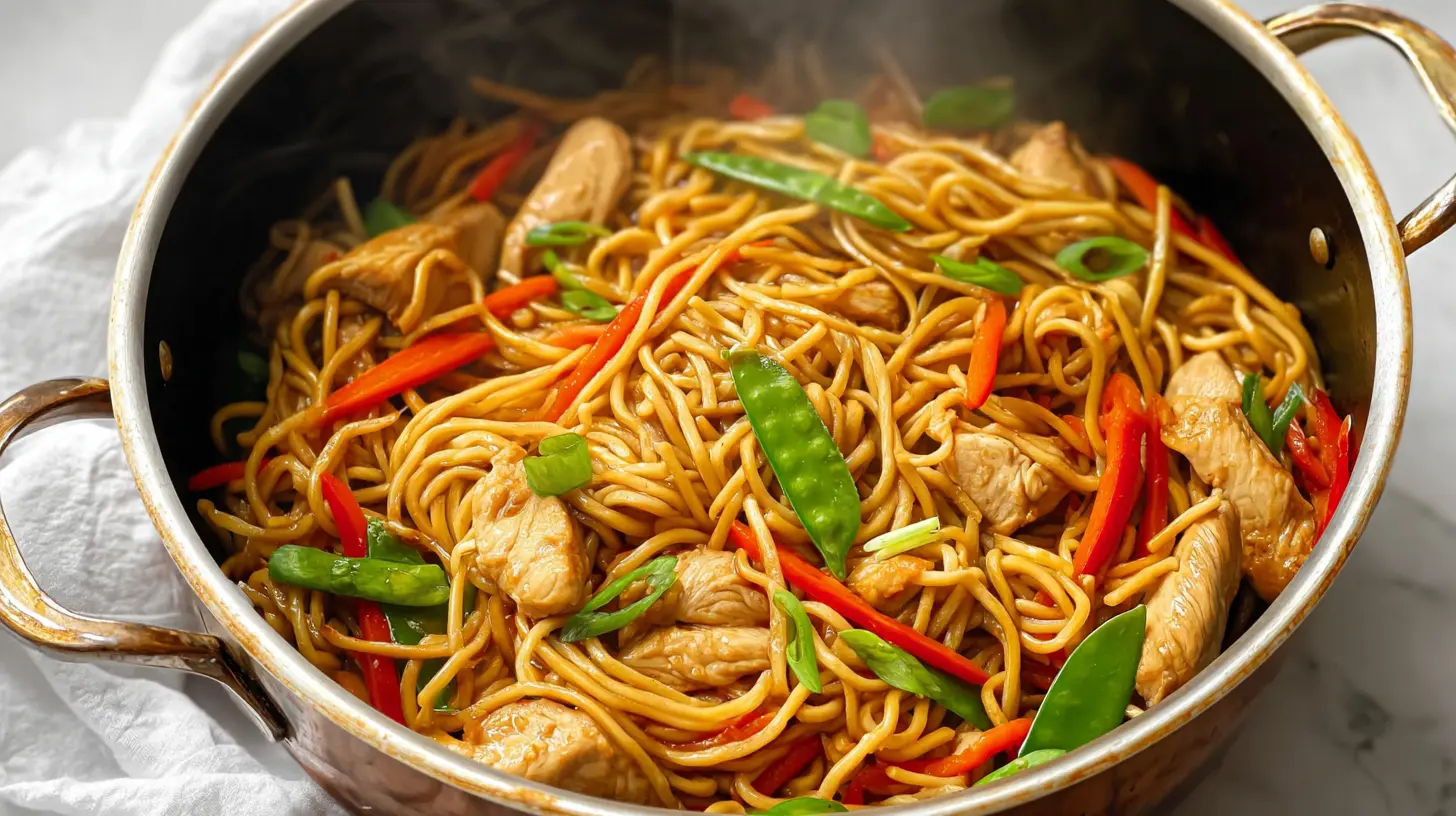
Ultimate Chicken Lo Mein
Ingredients
Equipment
Method
- Cook noodles according to package directions until al dente, then drain and rinse with cold water.
- Toss the cooked noodles with a small amount of sesame oil to prevent sticking and set aside.
- Combine sliced chicken with 1 tablespoon soy sauce, 1 teaspoon cornstarch, and 1 teaspoon sesame oil in a bowl.
- Mix well and let marinate for at least 15 minutes.
- In a small bowl, whisk together 1/4 cup soy sauce, oyster sauce, dark soy sauce (if using), rice vinegar, sugar, 1 teaspoon sesame oil, and white pepper.
- Set the sauce aside.
- Heat 1 tablespoon of vegetable oil in a large wok or skillet over high heat.
- Add marinated chicken in a single layer and cook for 2-3 minutes per side until browned and cooked through; then remove and set aside.
- Add the remaining 1 tablespoon of vegetable oil to the wok and stir-fry minced garlic and grated ginger for 30 seconds until fragrant.
- Add sliced onion, carrots, and bell peppers, stir-frying for 2-3 minutes until slightly tender-crisp.
- Incorporate snap peas, bok choy, and shredded cabbage, stir-frying for 1-2 minutes until bright green and crisp-tender.
- Return the cooked chicken to the wok with the vegetables.
- Add the cooked noodles and pour the prepared sauce evenly over all ingredients.
- Using tongs, gently but thoroughly toss everything for 1-2 minutes until evenly coated in the sauce.
- Serve immediately, garnished with chopped green onions and toasted sesame seeds if desired.