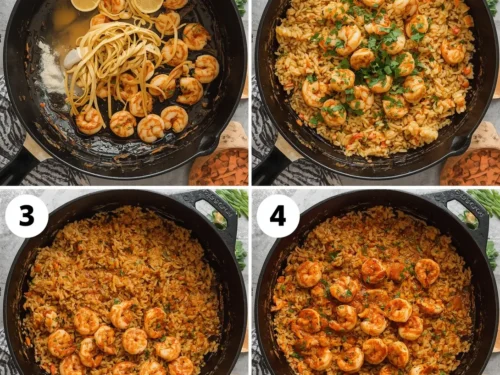
- Season the shrimp with Cajun spices and set them aside.
- Sauté aromatics – onion, bell pepper, and garlic – until soft and fragrant.
- Toast the rice briefly to lock in texture.
- Deglaze the pan with chicken broth and diced tomatoes, letting the flavors meld.
- Simmer the rice mixture, stirring occasionally until the liquid is absorbed.
- Add the shrimp back into the pan, letting them finish cooking in the steam.
- Finish with fresh herbs and a squeeze of lemon for brightness.
You’ll see the dish evolve from raw components to a cohesive, color‑rich skillet that looks as good as it tastes.
—Gather these items
Cajun Shrimp and Rice Skillet: 10 Quick and Easy Steps to Flavorful Perfection
Ingredient Amount Notes / Substitutions Large raw shrimp, peeled & deveined 1 lb (450 g) Use peeled tail‑on for extra flavor; can substitute with scallops or diced chicken Long‑grain white rice 1 cup (200 g) Jasmine or basmati work too; for a healthier twist try brown rice (increase liquid) Olive oil 2 Tbsp Can swap with avocado oil for higher smoke point Unsalted butter 1 Tbsp Adds richness; omit for dairy‑free Small yellow onion, diced 1 (about ½ cup) Red onion gives a sweeter note Red bell pepper, diced 1 (about ½ cup) Substitute with green or orange pepper for color Garlic cloves, minced 3 Fresh is best; 1 tsp garlic powder in a pinch Cajun seasoning 2 Tbsp Homemade blend: paprika, cayenne, garlic powder, onion powder, oregano, thyme Smoked paprika 1 tsp Boosts smoky depth Diced canned tomatoes (fire‑roasted) 1 cup (250 ml) Fresh diced tomatoes work if in season Low‑sodium chicken broth 2 cups (480 ml) Replace with vegetable broth for a lighter profile Fresh parsley, chopped 2 Tbsp Cilantro or green onions work as alternatives Lemon, cut into wedges 1 For finishing squeeze Salt & black pepper To taste Adjust based on seasoning blend Optional garnish: sliced green onions, hot sauce — Adds visual pop and extra heat
Tip: If you prefer less sodium, use a reduced‑sodium broth and lean lightly on the added salt.
—Cooking method
- Pat the shrimp dry with paper towels. Sprinkle both sides with Cajun seasoning and a pinch of salt. Set aside.
- Heat the olive oil in a large deep skillet over medium‑high heat. Add the butter and let it melt.
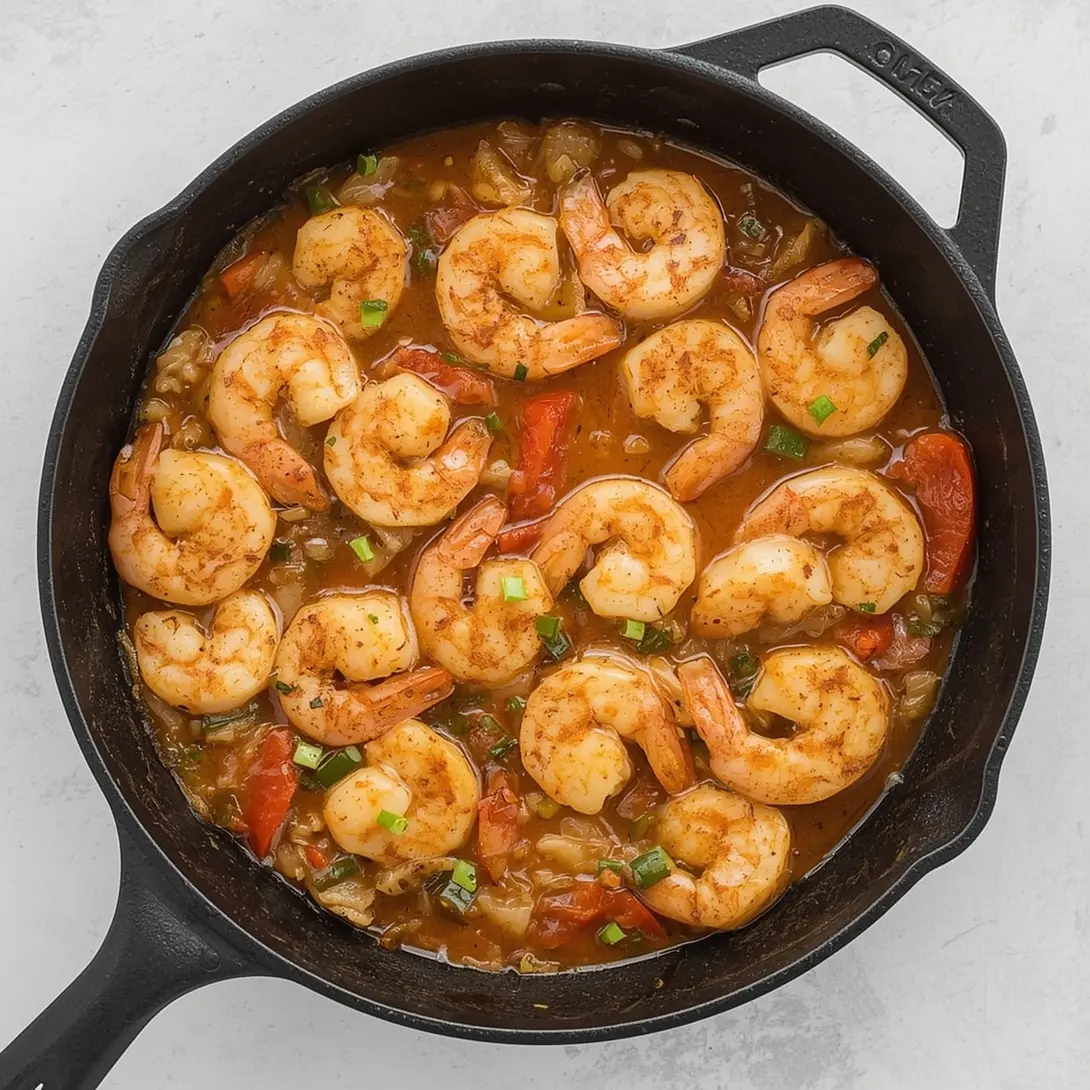
- Sear the shrimp for 1‑2 minutes per side until pink and just cooked through. Transfer to a plate; they will finish cooking later.
- Reduce the heat to medium. Add the diced onion and bell pepper; sauté 3‑4 minutes until softened.
- Stir in the garlic, smoked paprika, and the remaining Cajun seasoning; cook 30 seconds until aromatic.
- Add the rice, stirring constantly for 2 minutes. This toasting step prevents a gummy texture.
- Pour in the chicken broth and diced tomatoes. Scrape the bottom of the pan to release any browned bits. Bring to a gentle boil.
- Cover and simmer on low heat for 15‑18 minutes, or until the rice is tender and the liquid is absorbed. Avoid stirring too often; a gentle fluff with a fork is enough.
- Return the shrimp to the skillet, nestling them into the rice. Cook 2‑3 more minutes, allowing the shrimp to reheat and the flavors to meld.
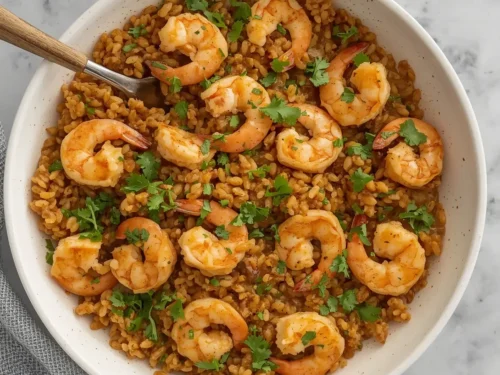
- Finish with a handful of chopped parsley, a drizzle of extra‑virgin olive oil, and a squeeze of fresh lemon juice. Adjust salt and pepper if needed.
Serve hot, directly from the skillet, for that rustic, communal feel.
—[FINAL_IMAGE]
Plating Ideas & Pairings
– Family‑style: Keep it in the skillet, sprinkle extra parsley, and provide lemon wedges on the side. – Individual bowls: Spoon the skillet mixture into shallow bowls, top with sliced avocado or a dollop of Greek yogurt for creaminess. – Side companions: A crisp green salad with a tangy vinaigrette balances the richness. Lightly grilled corn on the cob or a side of roasted sweet potatoes adds texture and sweetness. – Sauce suggestions: A drizzle of garlic aioli, a spoonful of remoulade, or a splash of hot sauce can amp up the heat without overwhelming the Cajun base.
Play with colors—bright red tomatoes, orange pepper, and fresh green herbs—to make the dish as visually inviting as it is tasty.
—How to store and freeze
– Refrigeration: Transfer leftovers to an airtight container. Store in the fridge for up to 3 days. Reheat gently on the stovetop over low heat, adding a splash of broth or water to revive the rice’s softness. – Freezing: The dish freezes well for up to 2 months. Portion into freezer‑safe bags or containers, removing as much air as possible. Label with date and contents. – Thawing & reheating: Thaw overnight in the refrigerator, then reheat in a skillet over medium heat, stirring occasionally. If reheating from frozen, place in a covered saucepan with a couple of tablespoons of broth; heat until bubbling and the shrimp are hot throughout. – Safety tip: Shrimp should never sit at room temperature for more than two hours. When reheating, ensure the internal temperature reaches 165 °F (74 °C) to eliminate any bacterial risk.
—Pro chef tips
- Dry shrimp = better sear – Moisture is the enemy of a good crust. Pat them dry and consider a light dusting of cornmeal for added crunch.
- Use a heavy‑bottomed skillet – Even heat distribution prevents scorching, especially during the rice‑toast stage.
- Adjust the heat – After adding the broth, keep the boil gentle; a vigorous boil can cause the rice to stick and the sauce to reduce too quickly.
- Season in layers – Sprinkle a pinch of salt with the onions, another with the broth, and finish with a final dash after plating for depth.
- Finish with acid – Lemon juice brightens the dish and balances the richness of butter and oil. Add just before serving for maximum impact.
—Recipe variations
– Spicy kick: Double the cayenne in the Cajun blend or stir in a spoonful of chipotle in adobo for smoky heat. – Creamy twist: Swirl in ¼ cup of heavy cream or coconut milk during the last 5 minutes of simmering for a velvety texture. – Vegetarian: Omit the shrimp and add a cup of chickpeas or diced firm tofu. Boost the Umami with a splash of soy sauce or miso paste. – Southern jambalaya style: Add sliced Andouille sausage and a cup of diced okra after the peppers for a heartier, traditional jambalaya feel. – Low‑carb: Replace rice with cauliflower “rice” and reduce broth to ¾ cup; cook just until the cauliflower is tender. – Mediterranean flair: Swap Cajun seasoning for a blend of oregano, lemon zest, and smoked paprika; finish with crumbled feta and kalamata olives.
Feel free to experiment—each variation offers a fresh take while preserving the core concept of a quick, one‑pan wonder.
—Helpful answers
Q1: How long does this recipe actually take from start to finish? A: Prep time is about 10 minutes (chopping veggies, seasoning shrimp). Cooking takes roughly 20 minutes, so you can have a complete dinner on the table in 30 minutes.
Q2: Can I use frozen shrimp instead of fresh? A: Yes. Thaw frozen shrimp overnight in the fridge or place them in a sealed bag under cold running water for 10‑15 minutes. Pat dry before seasoning to avoid excess water in the skillet.
Q3: Is this dish gluten‑free? A: Absolutely, as long as you choose a gluten‑free Cajun seasoning (some store‑bought blends contain wheat flour as a filler). All other ingredients are naturally gluten‑free.
Q4: What if I don’t have chicken broth? A: Substitute with low‑sodium vegetable broth, water plus a teaspoon of soy sauce for a hint of umami, or even a splash of white wine for extra depth.
Q5: How can I make the rice extra fluffy? A: Rinse the rice under cold water until the water runs clear to remove excess starch. After toasting, keep the skillet covered tightly while simmering, and avoid stirring the rice once the liquid is added.
—
Enjoy the bold, comforting flavors of this Cajun Shrimp and Rice Skillet any night you crave a quick, satisfying meal. With its adaptable nature, accessible ingredients, and one‑pan convenience, it’s sure to become a staple in your kitchen repertoire. Bon appétit!