I’ve been a note-taker for as long as I can remember, from frantic scribbles in high school history class to meticulous meeting minutes in my professional life. And if there’s one thing I’ve learned, it’s that not all notebooks are created equal. A truly great notebook doesn’t just hold your words; it enhances your thoughts, makes the act of writing a pleasure, and becomes a silent partner in your productivity. That’s why I’m excited to share my top picks for the best notebooks for note-taking—because finding the right one can genuinely transform your note-taking experience.
Why You’ll Love These Top Notebooks
Let’s face it, in a world dominated by screens, there’s still something undeniably powerful about putting pen to paper. These notebooks aren’t just about nostalgia; they offer tangible benefits that digital tools often can’t replicate. Whether you’re a student trying to ace your exams, a professional brainstorming your next big idea, or simply someone who enjoys the tactile sensation of writing, investing in a quality notebook can make all the difference. They can improve focus, aid memory retention, and even spark creativity in ways a flashing cursor simply can’t.
> “I used to think any old notebook would do, but after trying one of these recommendations, my note-taking game completely changed. The paper quality and layout make such a difference!” — A happy customer review.
Discovering the Best Notebooks for Note-Taking
Choosing the “best” notebook is a bit like choosing the “best” pen—it often comes down to personal preference. However, I’ve curated this list based on criteria that universally elevate the note-taking experience: paper quality (minimal bleed-through, smooth writing), durability, thoughtful design, and overall value. This isn’t just about what’s trendy; it’s about what genuinely performs.
What You’ll Need (Your Notebook Arsenal)
When it comes to selecting your next note-taking companion, think about what truly matters to you. Here are the categories and features I considered when curating this list:
- Paper Quality: This is paramount. Look for smooth, fountain-pen-friendly paper with minimal ghosting or bleed-through. Brands like Leuchtturm1917 and Rhodia excel here.
- Binding: Lay-flat bindings (like Smyth-sewn or spiral) are a godsend for comfortable writing.
- Size: A5 is a popular versatile choice, but B5 offers more space, and A6 is perfect for portability.
- Ruling: Lined for structured notes, dotted for flexibility (drawing and writing), grid for technical work, or blank for truly freeform thought.
- Durability: A sturdy cover and binding ensure your notes withstand daily wear and tear.
- Extra Features: Page numbers, index pages, pockets, and elastic closures can add significant value.
Gather These Items (My Top 7 Picks)
Here’s a sneak peek at the types of notebooks that made the cut. Each one brings something unique to the table, ensuring there’s a perfect match for every note-taker.
- Leuchtturm1917: The gold standard for many, known for quality paper, numbered pages, and an index.
- Rhodia Webnotebook: Famous for its ultra-smooth, fountain pen-friendly paper.
- Moleskine Classic Notebook: Iconic design, though paper quality can be debated by some.
- Midori MD Notebook: Simplicity and exceptional paper that highlights the natural beauty of writing.
- Baron Fig Confidant: A beautifully designed notebook with fantastic paper and a lay-flat binding.
- Moleskine Cahier Journal: Lightweight, flexible, and affordable for everyday scribbling.
- Rocketbook Core: For those who want the best of both worlds – write, scan, wipe clean, and reuse!
Directing Your Choice: How to Pick Your Perfect Notebook
Think of this as your personalized guide to navigating the world of notebooks. Each recommendation here isn’t just a random pick; it’s chosen for specific reasons that cater to different note-taking styles and needs.
- Identify Your Primary Use: Are you sketching? Taking meeting notes? Journaling? This will dictate ruling (blank, lined, dot grid), size, and paper type.
- Consider Your Preferred Writing Instrument: If you’re a fountain pen user, paper absorbency and smoothness are critical. Ballpoint pens are more forgiving.
- Think About Portability: Do you need something to throw into a small bag, or will it mostly stay on your desk?
- Budget: Notebooks range from budget-friendly options to premium stationery. Determine what you’re willing to invest.
- Look at the Binding: Spiral-bound offers complete lay-flat, while sewn-bound options often lay flat well after a bit of breaking in.
Once you’ve considered these points, read through the brief descriptions of each of my top 7 picks to see what aligns best with your needs.
How to Make the Most of Your Notebook
A great notebook deserves great care and effective usage! Here are a few tips to enhance your note-taking experience, no matter which notebook you choose.
Best Ways to Enjoy Your New Notebook
- Develop a System: Whether it’s Cornell notes, bullet journaling, or a simple outline, having a consistent system makes your notes more useful.
- Don’t Be Afraid to Get Messy: The first few pages can be intimidating. Remember, it’s a tool for thought, not a museum exhibit.
- Experiment with Pens: Different pens feel different on different papers. Find your favorite combination!
- Use Color Coding: A few different colored pens can really help organize and prioritize information.
- Create an Index/Table of Contents: For notebooks without pre-printed ones, dedicate the first few pages to building your own. This makes revisiting notes infinitely easier.
How to Store Your Notebooks
Notebooks, especially those filled with valuable information, deserve proper storage to ensure their longevity.
Keeping Your Precious Notes Safe
- Avoid Extreme Temperatures and Humidity: These can damage paper and covers, causing warping or degradation.
- Store Flat or Upright: Avoid bending or creasing. If storing on a shelf, ensure they are supported to prevent sagging.
- Use Protective Sleeves or Binders: For cherished notebooks or those containing critical information, a simple sleeve can protect against spills and wear.
- Consider Digital Backups (for some): If you’re using a Rocketbook, this is built-in. For traditional notebooks, occasionally photographing or scanning key pages can be a smart move, especially for very important notes.
Helpful Cooking Tips (Beyond the Pen)
Okay, “cooking tips” isn’t quite right here, but think of these as “note-taking tips” – little nuggets of wisdom to make your writing experience even better.
Pro Note-Taking Tips for Maximum Impact
- Date Every Entry: It seems obvious, but it’s easy to forget. Crucial for context later.
- Leave Margins: Give yourself space for future additions, clarifications, or summary points.
- Summarize Key Takeaways: At the end of a meeting or lecture, quickly jot down the 2-3 most important points.
- Use Symbols and Abbreviations: Develop your own shorthand to make note-taking faster and more efficient.
- Review Regularly: The real power of notes comes from revisiting them. Schedule a quick review session after each big note-taking event.
Creative Twists (Notebook Variations)
Beyond the classic options, there are always ways to customize and adapt your note-taking to suit unique situations.
Different Ways to Try It
- Dedicated Theme Notebooks: Have one notebook purely for creative writing, another for project planning, and another for daily to-dos.
- Mix Media: Don’t be afraid to glue in relevant articles, photos, or even fabric swatches. Your notebook can be a scrapbook of your thoughts and inspirations.
- Travel Journals: Use a smaller, more durable notebook specifically for capturing memories and observations on the go.
- Sketchbook Integration: If you’re a visual thinker, look for notebooks with good quality paper that can handle light sketching alongside your written notes.
- “Commonplace Books”: A classic approach where you collect interesting quotes, facts, and ideas from various sources into one notebook.
Common Questions About Notebooks Answered
FAQ
Q: Are expensive notebooks really worth it?
A: For many, yes. The difference in paper quality, binding, and overall writing experience can significantly enhance productivity and enjoyment. If you write a lot or value the tactile experience, a premium notebook can be a worthwhile investment.
Q: What’s the best ruling for general note-taking?
A: Lined (ruled) is classic and great for structure. Dot grid is incredibly versatile, offering guidance for writing while also allowing for sketches, diagrams, and bullet journaling. Blank is best for pure creativity or sketching.
Q: Can I use fountain pens in all these notebooks?
A: While many premium notebooks advertise “fountain pen friendly” paper, results can vary significantly. Rhodia, Leuchtturm1917, and Midori MD are generally excellent choices for fountain pen users due to their smoother, less absorbent paper which prevents feathering and bleed-through. Moleskine’s paper can sometimes be hit or miss with fountain pens.
Q: How do I break in a new sewn-bound notebook to make it lay flat?
A: Gently open the notebook to the center. Then, starting from the center, work your way outwards, gently pressing down on the spine of a few pages at a time using your finger or the palm of your hand, alternating between the front and back sections. This helps relax the binding without damaging it.
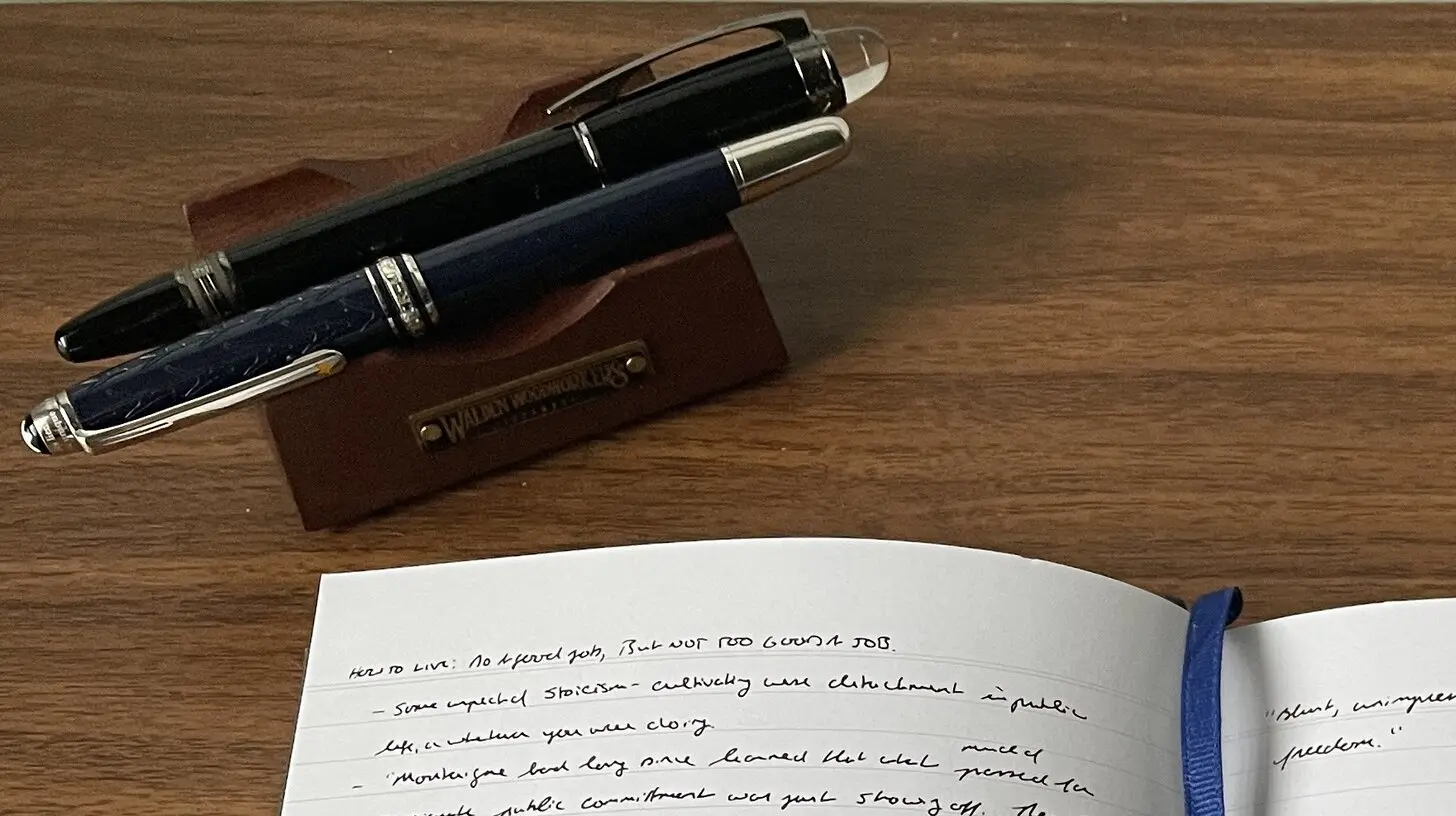
Optimal Note-Taking Notebook Selection & Usage
Ingredients
Equipment
Method
- First, assess your needs by considering your primary use, preferred writing instrument, portability, and budget.
- Next, choose a notebook from the recommended list, prioritizing paper quality, binding for lay-flat use, and appropriate size/ruling.
- If your notebook is sewn-bound, gently break it in by opening to the center and pressing down the spine on a few pages at a time.
- Develop a consistent note-taking system like Cornell notes or bullet journaling to maximize utility.
- Always date each entry for easy future reference.
- Utilize margins for additions and summarize key takeaways after each significant note-taking session.
- Experiment with different pens and use color-coding to organize and prioritize information.
- Dedicate the first few pages to create an index for quick navigation, if not already included.
- Store your notebook properly in a protective sleeve, avoiding extreme temperatures and humidity.
- Regularly review and utilize your notes to reinforce learning and ensure information retention.