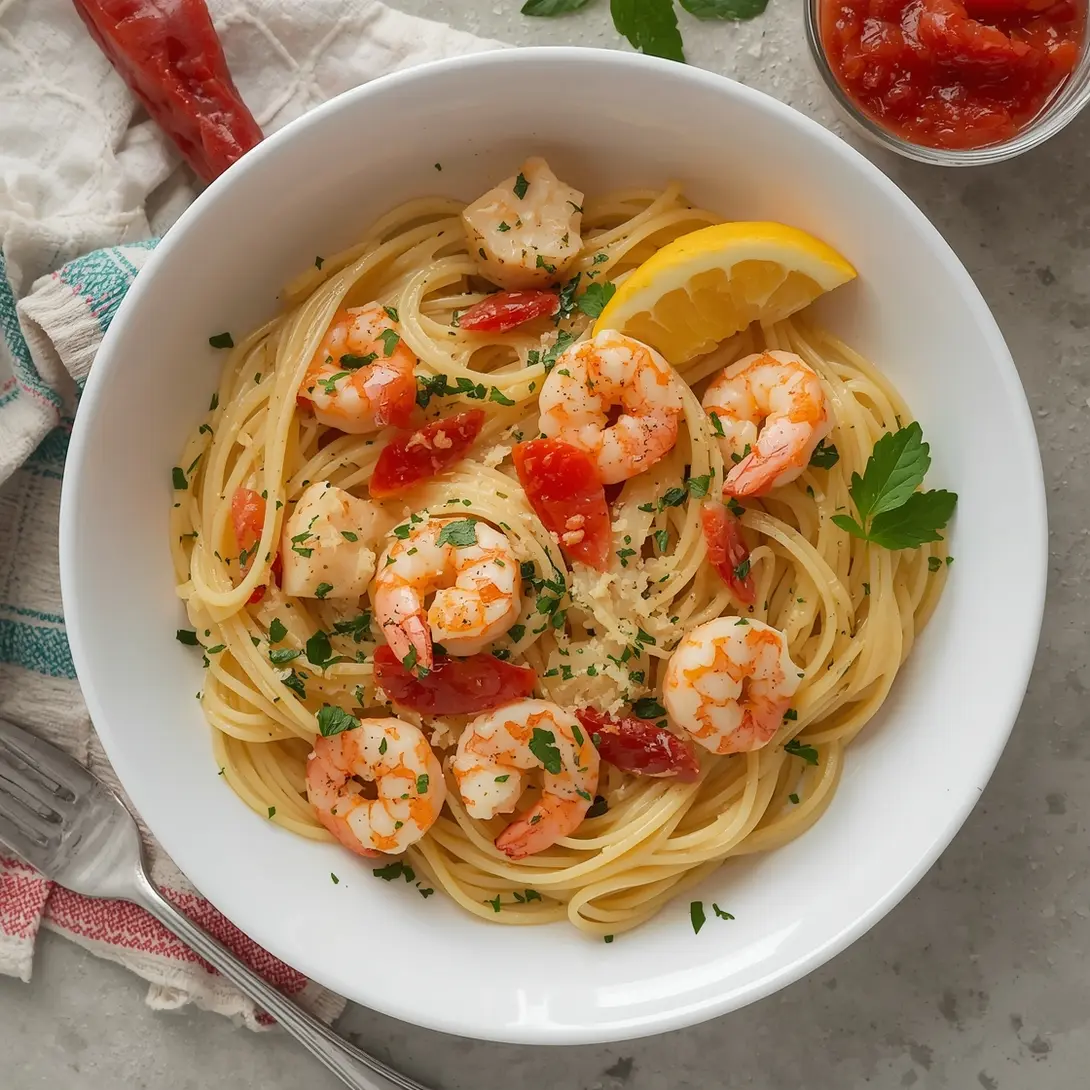
- Speed without sacrificing flavor – The classic carbonara base (egg, cheese, and black pepper) cooks in the residual heat of the pasta, so you never need a heavy cream sauce. Adding shrimp only adds a minute or two of sauté time.
- Budget‑friendly elegance – Shrimp can be bought frozen and still deliver that sweet, briny bite, while a handful of Parmesan and pantry staples keep the cost low.
- Kid‑approved protein – The shrimp’s mild flavor pairs perfectly with the creamy sauce, making it a hit for picky eaters who might otherwise shun seafood.
- Versatile for any occasion – Whether it’s a quick weeknight dinner, a brunch‑worthy “pasta‑frittata” twist, or a special‑occasion plate for guests, this dish scales effortlessly.
“I served the Shrimp Carbonara with Parmesan at my anniversary dinner and our guests couldn’t tell it wasn’t from a five‑star Italian trattoria. The flavors are bold, yet the prep feels effortless.” – Emily R., Home Cook & Food Blogger
—The cooking process explained
Think of the recipe as three simple stages: - Prep the aromatics and shrimp – Season, mince, and lightly sauté. 2 Cook the pasta – Al dente spaghetti (or your favorite long‑thin noodle) is the canvas for the sauce.
- Emulsify the carbonara – Whisk together eggs, Parmesan, and pepper; then toss with hot pasta and shrimp so the heat gently thickens the sauce without scrambling the eggs.
Understanding these steps helps you see why timing matters. The pasta’s hot water does the heavy lifting for the sauce; the shrimp finishes in a flash, preserving its tenderness.
—Gather these items
Shrimp Carbonara with Parmesan: 5 Must‑Try Twists for a Decadent Pasta DishIngredient Quantity Notes / Substitutions Spaghetti (or linguine, bucatini) 12 oz (340 g) Whole‑wheat or gluten‑free pasta works too Large raw shrimp, peeled & deveined 1 lb (450 g) Use frozen, thawed; or replace with scallops for a surf‑surf twist Extra‑virgin olive oil 2 Tbsp Can split with butter for richer flavor Garlic, minced 3 cloves Optional: 1 tsp roasted garlic paste Red‑pepper flakes ¼ tsp Adjust for heat level Egg yolks 4 large For extra silkiness, add 1 whole egg Freshly grated Parmesan cheese 1 cup (90 g) Pecorino Romano can replace half for sharper bite Freshly ground black pepper 1 ½ tsp (plus more to taste) Whole peppercorns freshly cracked give best aroma Salt To taste Use pasta water salting for balanced seasoning Fresh parsley, chopped 2 Tbsp Optional garnish; basil works for a summer note Lemon zest ½ tsp Brightens the dish; optional
Flavor‑Boosting Twists (choose any two):
– Smoked paprika – ½ tsp added with the garlic for an earthy smokiness. – Truffle oil – Drizzle ¼ tsp over the finished plate for an upscale finish. – Sun‑dried tomatoes – ¼ cup chopped, tossed in with the shrimp for a sweet‑tart contrast. – Peas or asparagus tips – ½ cup, blanched and folded in for a pop of color and texture.
—Directions to follow
- Season the shrimp – Pat shrimp dry, sprinkle with a pinch of salt, pepper, and red‑pepper flakes. Set aside.
- Boil the pasta – Bring a large pot of salted water to a rolling boil. Add spaghetti and cook 1–2 minutes less than package instructions (it will finish in the sauce). Reserve 1 cup of pasta cooking water, then drain.
- Sauté aromatics – While pasta cooks, heat olive oil in a wide skillet over medium‑high heat. Add minced garlic; sauté 30 seconds until fragrant.
- Cook the shrimp – Add seasoned shrimp to the skillet. Cook 1–2 minutes per side, until pink and just opaque. Remove shrimp and set aside on a warm plate.
- Prepare the carbonara mixture – In a mixing bowl, whisk together egg yolks, grated Parmesan, and freshly ground black pepper until smooth.
- Combine pasta and sauce – Return the drained spaghetti to the skillet (off the heat). Quickly pour the egg‑cheese mixture over the hot noodles, tossing vigorously with tongs. The residual heat will gently thicken the sauce; add reserved pasta water a tablespoon at a time until the sauce reaches a glossy, creamy consistency.
- Finish the dish – Return the shrimp to the pan, toss to coat. If using, stir in any twist ingredients (smoked paprika, peas, etc.). Taste and adjust seasoning with salt and extra pepper if needed.
- Plate and garnish – Divide pasta among bowls, sprinkle with chopped parsley, extra Parmesan, and a light drizzle of truffle oil or lemon zest if desired. Serve immediately.
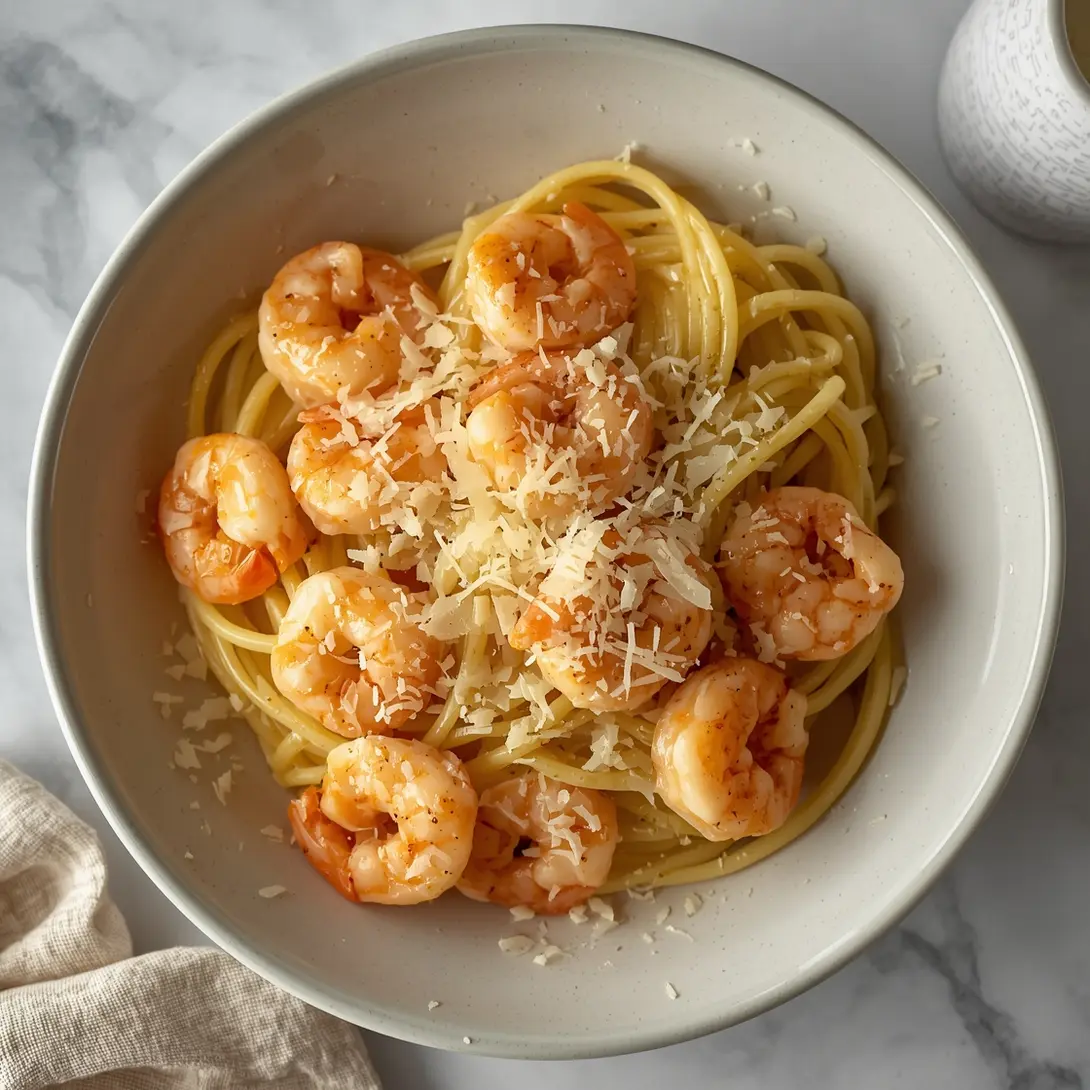
—[FINAL_IMAGE]
Serving ideas & plating tips – Contrast the colors – Arrange shrimp on top of the pasta in a fan shape; sprinkle bright parsley and a pinch of lemon zest for visual pop. – Add a side – A simple arugula‑lemon salad dressed with olive oil balances the richness. For heartier meals, serve with roasted garlic bread or a crisp white wine (e.g., Pinot Grigio). – Elegant presentation – Use a shallow, wide bowl or a shallow terracotta dish. Drizzle a few drops of high‑quality extra‑virgin olive oil over the top just before serving for a glossy finish. – Family-friendly – Let kids sprinkle their own Parmesan and pepper; they’ll love customizing their plates.
—Keeping leftovers fresh
– Cool promptly – Transfer leftovers to an airtight container within two hours of cooking. – Refrigerate – Store in the fridge for up to 2 days. The sauce will thicken; gently stir in a splash of milk or pasta water when reheating. – Reheat – Use a skillet over low heat, adding a teaspoon of butter or olive oil and stirring constantly to avoid scrambling the eggs. Microwaving works but may result in a grainy texture; cover loosely and heat in 30‑second bursts, stirring each time. – Freeze – For longer storage, freeze the pasta and shrimp without the egg‑cheese sauce (store sauce separately). Freeze sauce in a small zip‑top bag. When ready to eat, reheat pasta and shrimp, then toss with the thawed sauce, adding a bit of water to restore creaminess. – Safety tip – Do not leave the dish at room temperature for more than one hour; seafood is prone to bacterial growth.
—Extra advice
– Use room‑temperature eggs – They emulsify more easily with the hot pasta, preventing curdling. – Don’t overcook the pasta – Al‑dente texture preserves bite and prevents the sauce from becoming gummy when combined. – Reserve pasta water – The starchy liquid is the secret to a silky carbonara; it helps bind the sauce without heavy cream. – Quick shortcut – If you’re short on time, grate the Parmesan directly over the hot pasta before adding the egg mixture; the heat will melt the cheese instantly. – Chef’s secret – Finish with a tiny knob of cold butter whisked in at the very end; it adds a velvety sheen and enriches the mouthfeel.
—Different ways to try it
Variation What changes Why try it Lemon‑Zest Shrimp Carbonara Add 1 tsp fresh lemon zest to the sauce and finish with a squeeze of lemon juice Brightens the richness, perfect for spring evenings Spicy Sriracha Twist Stir 1 Tbsp Sriracha into the egg‑cheese mixture; garnish with sliced jalapeños Gives the dish a modern, Asian‑inspired heat Creamy Avocado Carbonara Blend half an avocado into the sauce before tossing with pasta Adds extra creaminess and a subtle green hue—great for a low‑dairy day Vegan “Carbonara” Replace shrimp with sautéed king oyster mushrooms, use silken tofu + nutritional yeast instead of eggs & cheese Keeps the indulgent feel while being plant‑based Mediterranean Upgrade Mix in ¼ cup Kalamata olives, ¼ cup crumbled feta, and a handful of roasted red peppers Turns the dish into a sun‑kissed, briny feast Herb‑Infused Swap parsley for fresh basil and add a pinch of dried oregano to the shrimp seasoning Offers a fragrant, Italian‑garden twist
Feel free to combine variations—lemon zest plus peas makes a fresh spring version, while smoked paprika and roasted garlic create a smoky, hearty take.
—Common questions
Q: How long does the entire recipe take from start to finish? A: About 25‑30 minutes total. The pasta cooks while the shrimp and aromatics sauté, and the sauce comes together in the final minute of tossing.
Q: Can I use frozen shrimp, and do I need to thaw them first? A: Yes. Thaw frozen shrimp in a bowl of cold water for 10‑15 minutes, then pat dry. Using already thawed shrimp can result in excess moisture, which may prevent the sauce from achieving that silky texture.
Q: Is it safe to substitute the Parmesan with a dairy‑free cheese? A: Absolutely. Nutritional‑yeast‑based cheese blends work well, though they may not melt as smoothly. Adding a splash of almond‑milk or a tablespoon of dairy‑free butter helps achieve a comparable creaminess.
Q: What’s the best wine pairing for Shrimp Carbonara with Parmesan? A: A crisp, unoaked white such as Pinot Grigio, Vermentino, or a light-bodied Chardonnay balances the richness without overwhelming the delicate shrimp flavor.
Q: I’m allergic to shellfish—can I replace the shrimp with another protein? A: Chicken breast strips, turkey sausage, or even tempeh cubes are excellent alternatives. Cook them until browned before proceeding with the sauce.
—
Enjoy the journey from a humble skillet to a plate that feels both comforting and upscale. With the core Shrimp Carbonara with Parmesan as your canvas, the five twists, substitutions, and chef’s secrets empower you to serve a pasta masterpiece any night of the week. Bon appétit!
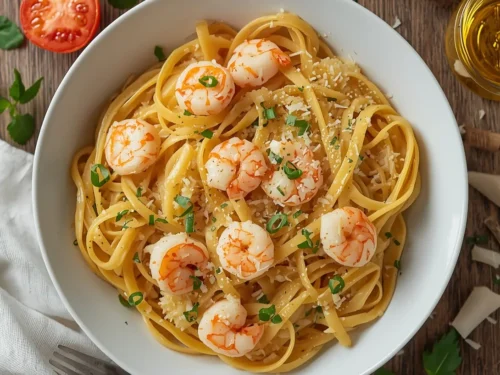
Classic Shrimp Carbonara with Parmesan
This classic shrimp carbonara features perfectly cooked spaghetti, succulent shrimp, and a rich, creamy sauce made with egg yolks and Parmesan cheese. It's a comforting and elegant dish that comes together quickly.
Ingredients
Equipment
Method
Preparation
- Pat the shrimp dry and season with salt, pepper, and red-pepper flakes. Set them aside.
- Bring a large pot of salted water to a rolling boil. Add the spaghetti and cook according to package directions until al dente.
Notes
Reserve some pasta water before draining for thinning the sauce if needed.