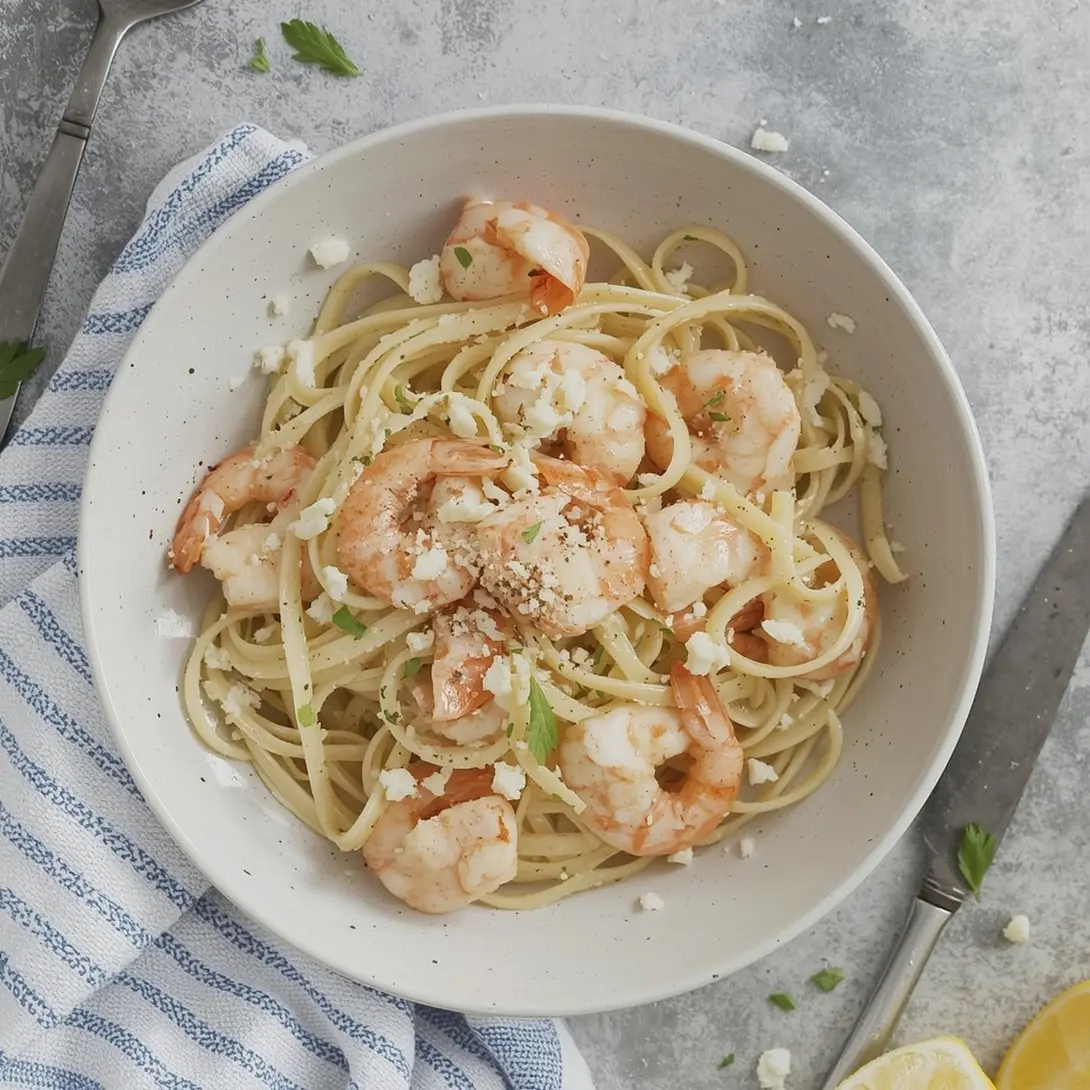
- Prep the shrimp – Pat shrimp dry with paper towels, season lightly with salt and pepper, and set aside.
- Boil the pasta – Fill a large pot with water, add a generous pinch of salt, and bring to a rolling boil. Drop in the angel hair and cook 2 minutes less than the package says (usually 2‑3 minutes total). The pasta will finish cooking in the sauce later. Reserve ½ cup of the starchy cooking water, then drain the pasta.
- Sauté aromatics – While the pasta cooks, heat olive oil and 1 Tbsp butter in a wide skillet over medium‑high heat. Add the minced garlic; stir for 30 seconds until fragrant, being careful not to burn.
- Cook the shrimp – Add the seasoned shrimp to the skillet in a single layer. Cook 1‑2 minutes per side, until they turn coral‑pink and start to curl. Remove shrimp to a plate and keep warm.
- Deglaze & build sauce – Reduce heat to medium. Pour the white wine (or broth) into the pan, scraping up any browned bits with a wooden spoon. Let it reduce by half, about 1‑2 minutes. Stir in the lemon juice, zest, chicken broth, and the remaining 2 Tbsp butter. Whisk continuously; the sauce should begin to thicken and become glossy.
- Emulsify – Add the reserved pasta water a few tablespoons at a time, whisking until the sauce reaches a silky, coat‑the‑pasta consistency.
- Combine – Toss the drained angel hair into the skillet, lifting and turning to coat each strand. Return the shrimp to the pan, sprinkle red‑pepper flakes (if using), and fold in the fresh parsley. Season with additional salt and pepper to taste.
- Finish – Remove from heat, sprinkle the grated cheese, and give one last gentle toss. Serve immediately, garnished with a lemon wedge and a sprinkle of extra zest if desired.
—What to serve it with
– Light greens: A simple arugula salad dressed with olive oil, lemon, and shaved Parmesan mirrors the pasta’s citrus notes while adding peppery crunch. – Crispy bread: Warm ciabatta or garlic‑toasted focaccia perfect for scooping up any leftover sauce. – Roasted vegetables: Asparagus, zucchini, or cherry tomatoes roasted with a drizzle of olive oil and a pinch of sea salt complement the shrimp’s sweetness. – Wine pairing: A chilled Pinot Grigio or Vermentino brightens the lemon acidity; for red‑wine lovers, a light Chianti works as well. – Plating tip: Twirl a small mound of pasta onto a chilled shallow bowl, then nestle shrimp on top. Finish with a drizzle of the pan sauce, a dusting of zest, and a few parsley leaves for a restaurant‑style presentation.
—The best way to save extras
– Refrigeration – Transfer leftovers to an airtight container and chill within 2 hours of cooking. The pasta stays fresh for 3 days. Reheat gently on the stovetop with a splash of chicken broth or water, stirring until the sauce loosens. – Freezing – Shrimp can become rubbery if frozen with sauce, so it’s best to store the pasta and sauce separate from the shrimp. Portion the sauce and pasta (without shrimp) into freezer‑safe bags; they’ll keep up to 2 months. When ready, thaw overnight in the fridge, reheat, then stir in freshly sautéed shrimp for a just‑cooked feel. – Food safety – Never leave the cooked dish at room temperature for longer than two hours. When reheating, ensure the internal temperature reaches 165 °F (74 °C), especially for the shrimp.
—Pro chef tips
- Don’t overcook the shrimp – They turn opaque and curl tightly; overcooking makes them tough. A quick pink flash is all you need.
- Use the pasta water wisely – The starches act as a natural thickener and help emulsify the butter‑lemon sauce, giving it that velvety mouthfeel. Add the water gradually to control consistency.
- Finish with cold butter – Adding a small knob of cold butter at the very end (a technique called monter au beurre) enriches the sauce and adds a subtle sheen.
- Zest first, juice later – Zesting before juicing prevents the lemon from drying out and gives you more vibrant oil‑soluble aromatics.
- Season in layers – Lightly salt the shrimp, then the pasta water, and finally adjust the sauce. This avoids a bland final dish.
—Recipe variations
Variation How to adapt Flavor impact Spicy Saffron Add a pinch of saffron threads to the broth and a dash of cayenne in step 5. Earthy depth with a gentle heat. Herb‑infused Swap parsley for fresh basil and add a teaspoon of oregano during sauté. Mediterranean garden vibe. Creamy version Stir in ¼ cup heavy cream after deglazing, then reduce to thicken. Lush, richer sauce for cooler evenings. Gluten‑free Use brown‑rice or corn‑based angel hair alternative; keep same steps. Same bright flavor, friendly to gluten‑sensitive diners. Vegan Replace shrimp with marinated king oyster mushrooms; use olive oil only and nutritional‑yeast “Parmesan.” Plant‑based yet still satisfies the umami cravings. Citrus combo Mix half the lemon juice with orange juice and a pinch of orange zest. Sweet‑tart nuance that brightens the palate.
Feel free to experiment – the core idea is a quick sautéed protein, a lemon‑butter emulsion, and a delicate pasta that soaks up the sauce.
—Helpful answers
Q1: How long does it actually take from start to finish? A: The active cooking time is about 25 minutes. Prep (zesting, mincing garlic) takes 5 minutes, boiling the pasta 3 minutes, and the sauce and shrimp another 15 minutes.
Q2: Can I use frozen shrimp instead of fresh? A: Absolutely. Thaw shrimp overnight in the refrigerator or place them in a sealed bag under cold running water for 10‑15 minutes. Pat them dry before seasoning; they’ll cook just as quickly.
Q3: Is this dish suitable for a low‑sodium diet? A: Yes. Reduce the added salt, use low‑sodium chicken broth, and opt for a modest amount of Parmesan or skip it entirely. The natural brine from the shrimp provides enough flavor for most palates.
Q4: What if I don’t have white wine? A: Substitute with an equal amount of additional chicken broth or a splash of dry vermouth. A teaspoon of white‑wine vinegar mixed with water also mimics the acidity.
Q5: Can I make this recipe dairy‑free? A: Replace the butter with extra‑virgin olive oil or a dairy‑free butter alternative. Omit the cheese or use a plant‑based Parmesan substitute. The sauce will still be silky thanks to the emulsified pasta water.
—Wrap‑up
Lemon Shrimp Angel Hair Pasta is more than a quick dinner; it’s a celebration of bright flavors, simple technique, and the joy of turning everyday pantry staples into something that feels like a seaside trattoria. By following the five‑step rhythm—prep, pasta, shrimp, sauce, toss—you’ll serve a dish that looks and tastes as if you spent hours in the kitchen, even when you haven’t. Pair it with a crisp salad, a slice of crusty bread, and a glass of chilled white wine, and you have a complete, restaurant‑worthy Italian experience that fits right into a busy weeknight.
Give it a try tonight, and let the lemon‑kissed shrimp and feather‑light angel hair transport you to the Mediterranean coast—no passport required. Bon appétit!
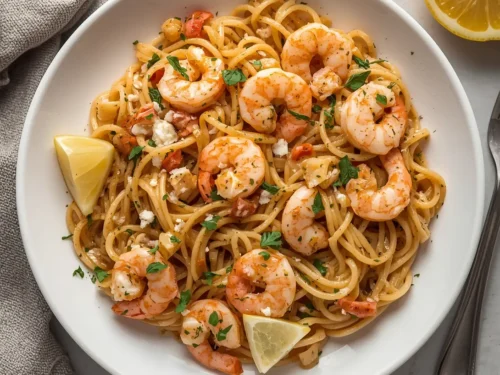
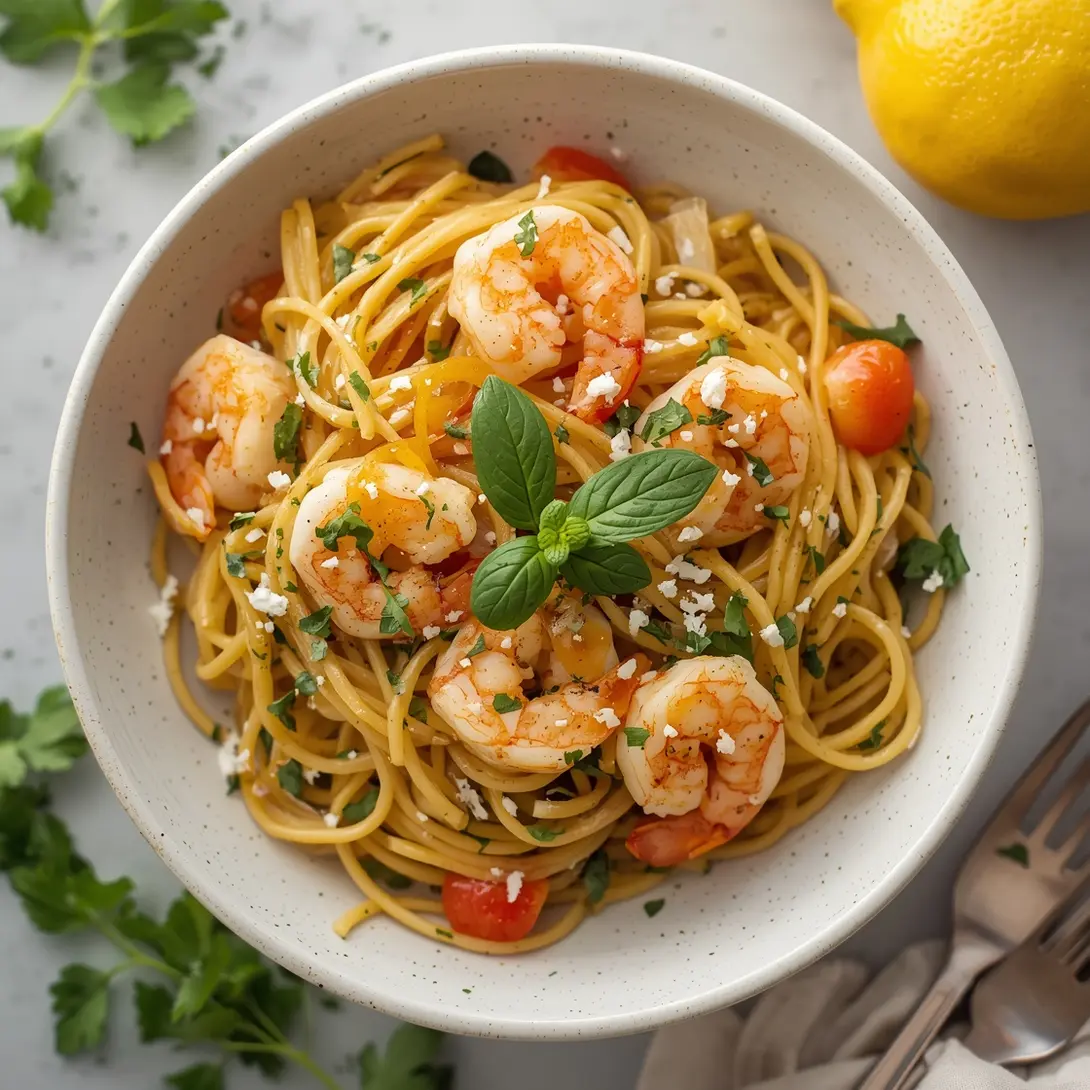
Classic Lemon Shrimp Angel Hair Pasta
This classic lemon shrimp angel hair pasta recipe delivers a bright and flavorful dish in under 30 minutes, perfect for a quick weeknight meal or a light impressive dinner.
Ingredients
Equipment
Method
Instructions
- Cook pasta according to package directions in salted water.
- While pasta cooks, pat shrimp dry and season with salt and pepper.
- Heat olive oil in a large skillet over medium-high heat. Add shrimp and cook for 1-2 minutes per side until pink; remove from skillet and set aside.
- Reduce heat to medium, add butter and garlic to the skillet, and cook for 30 seconds until fragrant.
- Stir in lemon zest, lemon juice, white wine (if using), chicken broth, and red pepper flakes (if using) and bring to a simmer. Cook for 2-3 minutes, scraping up any browned bits from the bottom.
- Add cooked pasta, shrimp, and fresh parsley to the skillet. Toss to combine and coat everything in the sauce.
- Stir in Parmesan or Pecorino Romano cheese. Taste and adjust seasoning as needed.
- Serve immediately, garnished with lemon wedges, extra zest, or microgreens if desired.
Notes
For extra flavor, use a dry white wine like Pinot Grigio or Sauvignon Blanc. Adjust the amount of red pepper flakes to your spice preference.