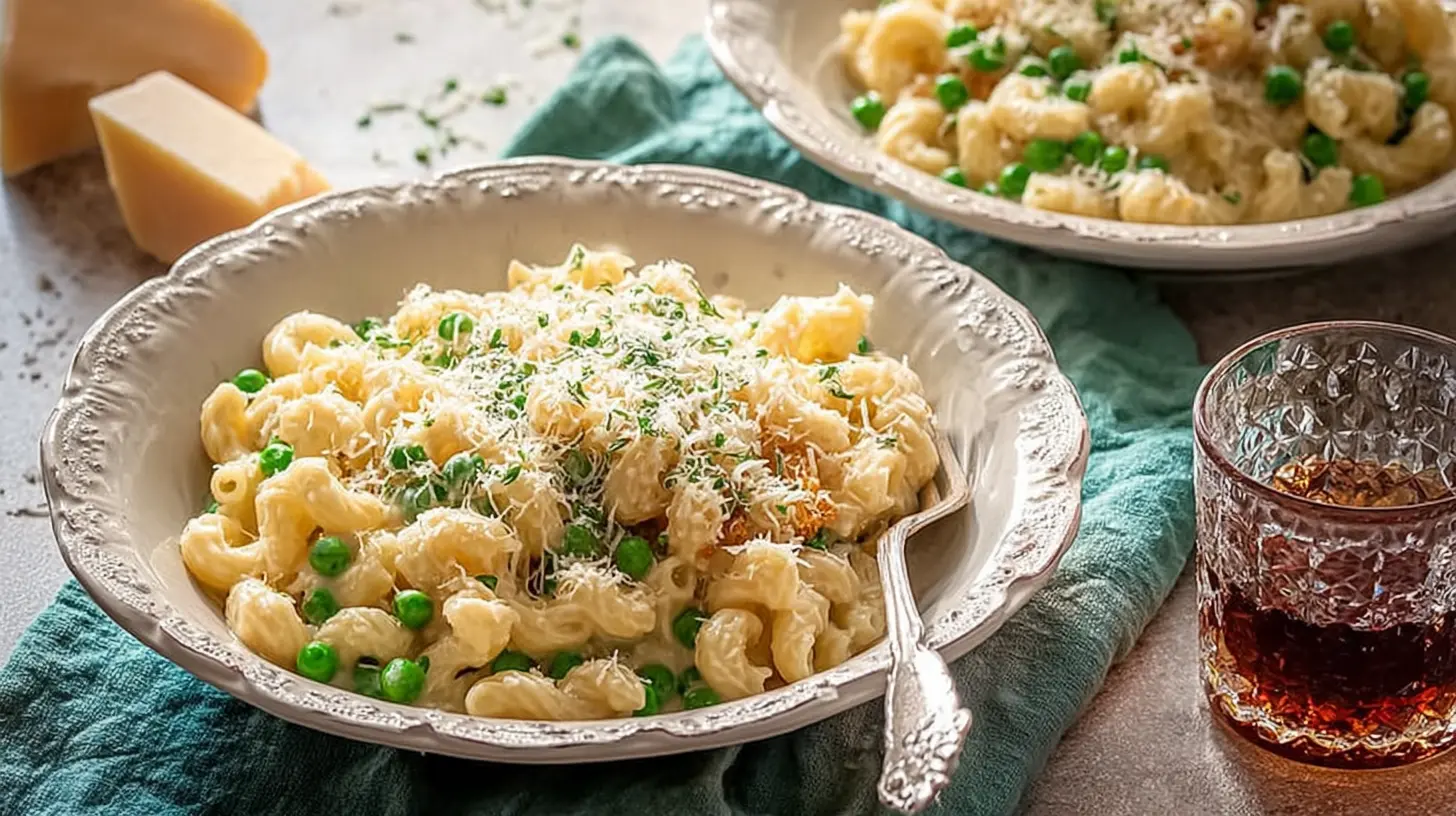
I used to dread the “what’s for dinner?” question. It always felt like a mad dash, often ending in less-than-healthy takeout or a scramble to cook something quick but uninspired. That changed the day I wholeheartedly embraced meal prep. It wasn’t about being rigid; it was about being prepared. This isn’t just an “easy recipe”; it’s a blueprint for transforming your week, making healthy eating a breeze, and reclaiming precious time. If you’re struggling to consistently put good food on the table, these 7-day meal prep ideas are about to become your new best friend.
Why You’ll Love This Dish
This isn’t a single dish, but rather a strategic approach to food that offers a multitude of benefits. You’ll absolutely love these 7-day meal prep ideas because they eliminate decision fatigue after a long day – no more staring blankly into the fridge! Not only do they save you a ton of time during busy weeknights, but they also significantly reduce food waste and often end up being much more budget-friendly than daily cooking or impulse takeout orders. Plus, by pre-planning your meals, you gain incredible control over your nutrition, making it easier to hit your health goals. Whether you’re a busy professional, a parent juggling schedules, or just someone looking to simplify their life, these ideas are designed to make healthy eating effortless and enjoyable.
> “Meal prepping changed my life! I used to stress about every meal, but now my fridge is stocked with delicious, healthy options ready to go. My weekdays are so much calmer, and I’ve even saved money!” – A Happy Home Cook
How This Recipe Comes Together
Crafting a 7-day meal prep plan involves a few key stages: planning, shopping, cooking, and portioning. First, you’ll brainstorm your week’s meals, considering variety and nutritional balance. This includes selecting breakfast, lunch, and dinner options that can be made ahead or partially prepped. Next, you’ll consolidate your ingredients into a comprehensive shopping list to make your grocery run efficient. The cooking phase is where the magic happens – dedicating a block of time, usually on a weekend, to prepare various components like grains, proteins, and roasted vegetables. Finally, everything is portioned into individual containers, ready to grab and go throughout the week. It’s a rhythmic process that, once established, makes healthy eating feel almost automatic.
What You’ll Need
For Grains/Carbs:
- Quinoa: 2 cups dry (yields 6 cups cooked)
- Brown Rice: 2 cups dry (yields 6 cups cooked)
- Sweet Potatoes: 3-4 medium, about 2 lbs
- Whole Wheat Pasta: 1 lb box
For Proteins:
- Chicken Breasts or Thighs: 2-3 lbs boneless, skinless
- Lean Ground Turkey or Beef: 1-1.5 lbs
- Eggs: 1 dozen (for hard-boiled, scrambled, or frittatas)
- Canned Chickpeas: 1-2 cans, rinsed and drained
- Greek Yogurt: 1 large container (plain, for parfaits or sauces)
For Vegetables:
- Broccoli florets: 2-3 heads or 2 bags frozen
- Bell Peppers: 3-4, various colors
- Spinach or Mixed Greens: 1 large bag/container
- Onions: 2 large
- Garlic: 1 head
- Cherry Tomatoes: 1 pint
- Zucchini/Summer Squash: 2-3 medium
For Healthy Fats & Flavor:
- Olive Oil
- Avocado: 2-3 ripe
- Nuts & Seeds: Almonds, walnuts, chia seeds, flax seeds
- Herbs & Spices: (e.g., cumin, paprika, chili powder, Italian seasoning, salt, pepper)
- Vinegars: Apple cider vinegar, balsamic vinegar
- Lemon/Lime: 2-3
- Mustard
- Salsa or Marinara Sauce
For Breakfast/Snacks:
- Oats: Large container (old-fashioned or rolled)
- Berries: Fresh or frozen (strawberries, blueberries, raspberries)
- Cottage Cheese: 1 container
Directions to Follow
Here’s a general sequence for your meal prep Sunday (or whatever day you choose!):
- Plan Your Menu (30-60 minutes): Decide on your meals for the week. Pick recipes that share ingredients or cooking methods to streamline the process. Write down your grocery list.
- Grocery Shopping (1-2 hours): Stick to your list!
- Pre-Prep & Chop (30 minutes): As soon as you get home or before starting to cook, wash and chop all your vegetables (onions, peppers, broccoli, zucchini, etc.). This makes cooking much faster.
- Start Grains & Roasting (1 hour):
- Cook quinoa and brown rice according to package directions in separate pots.
- Preheat oven to 400°F (200°C). Toss chopped sweet potatoes, broccoli, and bell peppers with olive oil, salt, and pepper on baking sheets. Roast for 20-30 minutes, flipping halfway, until tender and slightly caramelized.
- Cook Proteins (45-60 minutes):
- Chicken: Season chicken breasts/thighs and bake, grill, or pan-sear until cooked through (internal temperature 165°F/74°C). Once cooled, shred or slice.
- Ground Meat: Brown ground turkey/beef in a large skillet, breaking it up as it cooks. Drain any fat. Season with desired spices (e.g., taco seasoning, Italian herbs).
- Hard-Boiled Eggs: While other items cook, make a batch of hard-boiled eggs.
- Assemble or Store Components (30 minutes):
- Let all cooked food cool completely before storing. This prevents condensation and spoilage.
- Option 1 (Assemble): Portion out full meals into individual airtight containers. For example, a base of grain, a serving of protein, and a side of roasted veggies.
- Option 2 (Component Storage): Store cooked grains, proteins, and vegetables in separate large containers. This allows you to mix and match daily for variety.
- Prepare Breakfasts/Snacks (Optional, 15-30 minutes):
- Make overnight oats in jars.
- Portion cottage cheese and berries.
- Wash and store fresh fruit.
Best Ways to Enjoy It
The beauty of meal prepping is the flexibility in how you enjoy your “dishes.” For lunch, simply grab a pre-assembled container from the fridge and microwave it, or pack a fresh salad ready to toss with pre-cooked chicken. Dinners can be as simple as reheating a full meal, or you can use your prepped components as building blocks. For instance, combine pre-cooked ground turkey with marinara sauce and whole wheat pasta for a quick Bolognese, or add roasted veggies and chicken to a large bowl of greens for a warm salad. Breakfasts could be overnight oats, a Greek yogurt parfait with berries, or reheated pre-cooked egg muffins. Don’t be afraid to mix and match – that’s part of the fun!
Keeping Leftovers Fresh
Proper storage is paramount for successful and safe meal prepping. Always allow your cooked food to cool completely before transferring it to airtight containers. Storing warm food traps steam, which can lead to bacterial growth and soggy textures. Use high-quality, stackable, airtight containers, preferably glass for durability and ease of cleaning.
- Refrigerator: Most prepped meals and components will last 3-4 days in the refrigerator. After this time, quality and safety can diminish.
- Freezer: Many components freeze beautifully for longer storage. Cooked grains, roasted vegetables (though texture might change slightly), and cooked meats (like shredded chicken or ground turkey) can be frozen for up to 2-3 months. Label containers with the date to keep track. Thaw overnight in the refrigerator before reheating.
- Reheating: Reheat meals to an internal temperature of 165°F (74°C). Microwaving is usually the quickest option, but oven or stovetop reheating can help maintain texture for certain dishes.
Helpful Cooking Tips
- Batch Cook Smart: Don’t try to cook 7 different main dishes from scratch. Instead, focus on cooking large quantities of staple ingredients (e.g., 6 cups of quinoa, 3 lbs of chicken) that can be used in multiple ways throughout the week.
- Flavor Boosters: Don’t forget herbs, spices, and sauces! Having a variety of seasonings on hand (e.g., taco seasoning, Italian blend, curry powder) can transform the same base ingredients into vastly different meals. Keep healthy vinaigrettes, salsas, and marinades ready.
- Cool Completely: This is crucial! Hot food stored in sealed containers creates condensation, which speeds up spoilage and can make food soggy. Spread hot food on a baking sheet to cool faster before portioning.
- Strategic Storage: Store sauces and dressings separately until serving, especially for salads, to prevent sogginess.
- Don’t Overcook Veggies: When roasting or steaming vegetables for meal prep, aim for slightly al dente. They’ll soften a bit more during reheating, ensuring they don’t turn to mush.
- Theme Your Week: Sometimes picking a “theme” helps, like “Mediterranean Bowls” or “Asian-Inspired Stir-Fries,” where you can reuse a core set of ingredients (e.g., rice, chicken, bell peppers) with different flavor profiles.
Creative Twists
While these ideas provide a great foundation, don’t be afraid to get creative and personalize your meal prep:
- Protein Swaps: Instead of chicken, try baked salmon, shrimp, tofu, or tempeh. Lentils are also a fantastic plant-based protein.
- Grain Alternatives: Swap quinoa or brown rice for farro, barley, couscous, or even cauliflower rice for a lower-carb option.
- Vegetable Variety: Incorporate seasonal vegetables. Brussels sprouts, asparagus, green beans, or mushrooms are excellent roasted additions.
- Flavor Profiles:
- Mexican: Add black beans, corn, salsa, cilantro, and a squeeze of lime to your chicken and rice bowls.
- Mediterranean: Include olives, feta cheese, cucumber, cherry tomatoes, and a lemon-herb vinaigrette with your protein and grain.
- Asian: Use a soy-ginger marinade for chicken, add sesame seeds, and pair with steamed edamame.
- Breakfast Boosts: For overnight oats, experiment with different fruits, nut butters, and seeds. Add protein powder for an extra kick.
- Snack Innovations: Prep veggie sticks with hummus, homemade trail mix, or pre-portioned fruit segments.
Common Questions
How long does meal prep typically take for a 7-day plan?
For a full 7-day meal prep that covers most of your meals, you should generally allocate 2-4 hours, including cooking time. This can be done in one dedicated session, often on a Sunday. The more organized you are with your grocery list and cooking technique, the quicker it will be.
Can I meal prep for just a few days if 7 days feels too overwhelming?
Absolutely! Starting with 2-3 days of meal prep is a fantastic way to ease into the habit. You can focus on just lunches, or dinners, or even just healthy snacks. The principles remain the same, and it helps build confidence before committing to a full week.
What are some good beginner-friendly meal prep ideas?
For beginners, focus on simple, versatile components. Think baked chicken breast and roasted vegetables, hard-boiled eggs, overnight oats, large batches of a simple grain like rice or quinoa, and easy salads with pre-chopped greens. Chili or stew that can be made in a slow cooker is also very forgiving and great for batch cooking.
Speedy Tuscan Chicken & Roasted Veggie Bowls
Ingredients
Equipment
Method
- Cook 2 cups of dry quinoa as per package directions, then fluff with a fork and set aside to cool.
- Preheat oven to 400°F (200°C) and toss chopped broccoli, bell peppers, onions, zucchini, and cherry tomatoes with olive oil, salt, and pepper on a large baking sheet.
- Roast vegetables for 20-25 minutes, flipping halfway, until they are tender and slightly caramelized.
- While vegetables roast, season chicken breasts with 1 tbsp olive oil, Italian seasoning, garlic powder, salt, and pepper. Cook until the internal temperature reaches 165°F/74°C, then let it cool and shred or slice into bite-sized pieces.
- Allow all cooked components—quinoa, roasted vegetables, and chicken—to cool completely to prevent sogginess and ensure food safety.
- Divide the cooked quinoa, roasted vegetables, and shredded chicken evenly among 5-6 airtight meal prep containers.
- Pack spinach or mixed greens in separate small containers or bags to prevent wilting and add just before eating.
- Include small containers of balsamic vinegar or lemon wedges with each bowl for fresh dressing when ready to eat.
- Store the assembled bowls and separate greens in the refrigerator for up to 3-4 days, reheating before serving.