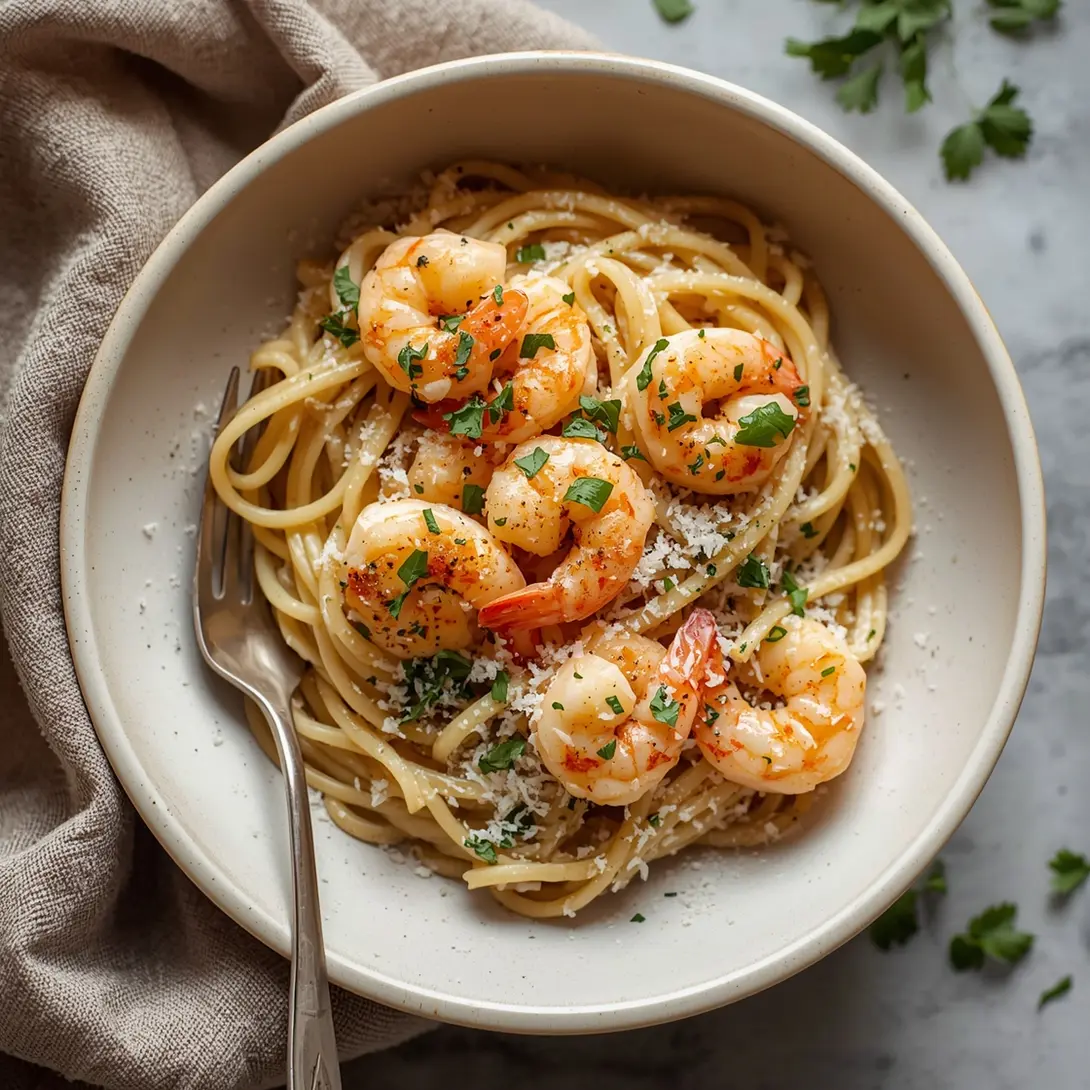
- Speed without sacrifice – The entire dish comes together in under 30 minutes, making it ideal for hectic evenings when you still want something that feels special.
- Budget‑friendly luxury – Shrimp can be pricey, but a modest ½‑pound serving stretched over a generous bowl of pasta keeps costs low while delivering that “dine‑out” vibe.
- Kid‑approved nutrition – The creamy sauce masks the vegetables enough for picky eaters, yet you still sneak in lycopene‑rich tomatoes and a modest protein punch.
- Customizable authenticity – Using fresh garlic, good‑quality canned San Marzano tomatoes, and a splash of Italian white wine brings a genuine Italian touch without needing a trip to Naples.
- Flexibility for any occasion – Serve it as a casual weeknight, an elegant starter for a holiday gathering, or a brunch‑worthy centerpiece when paired with a crisp salad and sparkling water.
“I made this for a last‑minute date night and the only thing my partner asked for was seconds. The sauce was silky, the shrimp were juicy, and it felt like we were at a trattoria. Definitely a new family favorite!” – Sofia M., home cook
The dish’s simplicity encourages experimentation, yet the baseline recipe is sturdy enough that even novice cooks can achieve restaurant‑level results.
—[STEP_IMAGE]
Before you dive into the ingredient list, here’s a quick visual roadmap of the cooking process so you know exactly what to expect: - Prep the aromatics – mince garlic, chop shallots, and grate Parmesan.
- Sear the shrimp – a rapid, high‑heat sear locks in moisture and flavor.
- Build the sauce – sauté aromatics, deglaze with wine, stir in tomatoes, then swirl in cream.
- Cook the pasta – al dente linguine is essential for that perfect bite.
- Combine and finish – toss pasta and shrimp in the sauce, finish with herbs, cheese, and a dash of lemon zest.
Having this visual flow in mind will keep you organized and help you move from one step to the next without missing a beat.
—Key ingredients
Garlic Shrimp and Tomato Cream Pasta: 5 Essential Tips for a Perfect Italian DinnerIngredient Quantity Notes / Substitutions Linguine (or spaghetti) 12 oz (340 g) Whole‑wheat or gluten‑free pasta works too Large raw shrimp, peeled & deveined ½ lb (225 g) Use peeled frozen shrimp, thawed; or substitute with scallops for a twist Olive oil 2 Tbsp Extra‑virgin for best flavor Unsalted butter 2 Tbsp Can replace half with margarine for lower saturated fat Garlic cloves, minced 4–5 Adjust to taste; roasted garlic adds sweetness Shallot, finely diced 1 small Yellow onion works as a milder option Crushed red pepper flakes ¼ tsp (optional) Omit for less heat Dry white wine (preferably Italian) ½ cup Use chicken broth if you prefer no alcohol Canned whole San Marzano tomatoes 14 oz (400 g) Crush by hand or blend for smoother sauce Heavy cream ¾ cup (180 ml) Half‑and‑half or coconut milk for a lighter/dairy‑free version Fresh Parmesan, grated ½ cup (plus extra for serving) Pecorino Romano can be used for sharper flavor Fresh basil leaves, torn ¼ cup Substitute with flat‑leaf parsley Lemon zest 1 tsp Adds brightness; optional Salt & freshly cracked black pepper To taste Finish with a pinch of flaky sea salt for texture Optional garnish: toasted pine nuts or crushed walnuts 2 Tbsp Adds crunchy contrast
Tip #1 – Freshness matters: Use the freshest shrimp you can find. If you’re buying pre‑cooked shrimp, reduce the searing time dramatically to avoid rubbery bites.
Tip #2 – Tomato quality: San Marzano tomatoes provide a naturally sweet, low‑acid base. If unavailable, choose any high‑quality plum tomato puree and add a pinch of sugar to balance acidity.
—How to prepare it
- Bring a large pot of salted water to a boil. Add the linguine and cook 1‑2 minutes less than package directions (al dente). Reserve 1 cup of pasta water, then drain.
- Season the shrimp lightly with salt and pepper. While the pasta cooks, heat 1 Tbsp olive oil and 1 Tbsp butter in a wide skillet over medium‑high heat. Add shrimp in a single layer; sear 1‑2 minutes per side until pink and just opaque. Transfer shrimp to a plate and set aside.
- Sauté aromatics. In the same skillet, lower heat to medium and add the remaining olive oil and butter. Toss in the minced garlic, diced shallot, and red‑pepper flakes. Cook, stirring constantly, for about 30 seconds—just until fragrant, being careful not to brown the garlic.
- Deglaze with wine. Pour the white wine into the pan, scraping the browned bits from the bottom. Let it reduce by half, roughly 2–3 minutes.
- Introduce the tomatoes. Add the canned tomatoes, crushing them with the back of a spoon or a potato masher. Simmer for 5 minutes, allowing the sauce to thicken slightly.
- Create the cream base. Stir in the heavy cream, Parmesan, and a splash of the reserved pasta water (about ¼ cup). Lower the heat and let the sauce gently bubble for 2 minutes, then season with salt and pepper to taste.
- Combine pasta and shrimp. Add the drained linguine directly into the sauce, tossing to coat. If the sauce looks too thick, incorporate more reserved pasta water—one tablespoon at a time—until you reach a glossy, velvety consistency. Return the shrimp to the pan, stirring just enough to warm them through (no more than 1 minute).
- Finish with herbs and zest. Remove the skillet from heat, toss in torn basil leaves and lemon zest. Give the dish a final gentle toss, then plate.
- Serve immediately. Top each portion with an extra drizzle of olive oil, a sprinkle of grated Parmesan, and, if you like, a handful of toasted pine nuts for crunch.
—Serving suggestions
A stunning presentation can elevate even the simplest home‑cooked meal. Arrange the pasta in a wide, shallow bowl or shallow plate, allowing the sauce to pool beautifully around the shrimp. Sprinkle fresh basil over the top for a surge of color, and finish with a light dusting of smoked paprika for a subtle smoky note.
Side companions – Simple arugula salad – Toss arugula with lemon juice, olive oil, shaved Parmesan, and a pinch of sea salt. The peppery greens balance the richness of the sauce. – Garlic‑infused focaccia – Warm, buttery focaccia is perfect for scooping up any leftover sauce. – Roasted vegetables – Lightly charred zucchini, bell peppers, or asparagus add texture and a pop of color.
Wine pairing A crisp, unoaked Chardonnay or a dry Italian white such as Verdicchio complements the cream while cutting through the garlic’s intensity. For red‑wine lovers, a light Chianti works nicely, provided it’s served slightly chilled (around 60 °F).
Plating tip Twirl a small amount of pasta using a fork and spoon to create a tight coil, then lay the shrimp on top in a fan shape. This classic Italian presentation makes the dish look as luxurious as it tastes.
—Keeping leftovers fresh
If you have any pasta left (which will be rare!), follow these steps to maintain flavor and texture: - Cool quickly. Transfer leftovers to a shallow container and let them reach room temperature within 30 minutes.
- Store airtight. Seal the container tightly and refrigerate for up to 2 days. The sauce may thicken as it cools; re‑heat gently and add a splash of milk or broth to revive the creaminess.
- Reheat safely. Use a skillet over low‑medium heat, adding a tablespoon of water or broth to loosen the sauce. Stir frequently to prevent the cream from separating.
- Freezing (optional). For longer storage, portion the pasta and sauce (without the shrimp) into freezer‑safe bags, removing as much air as possible. Freeze for up to 1 month. Thaw overnight in the refrigerator, then briefly sauté with fresh shrimp for a “fresh‑made” experience.
- Food safety reminder. Shrimp should never sit at room temperature for more than 2 hours. Discard any leftovers that smell sour or develop an off‑color.
—Extra advice
Here are five essential, chef‑style tips that guarantee a consistently brilliant dish: - Pat the shrimp dry. Moisture is the enemy of a good sear. Patting shrimp with paper towels ensures a caramelized crust instead of a soggy texture.
- Finish with cold butter. Swirling a tablespoon of cold butter into the sauce just before plating adds a glossy finish and a subtle richness that cream alone can’t achieve.
- Don’t over‑cook the pasta. Al dente pasta continues to cook slightly when combined with the hot sauce, preventing mushiness and allowing it to absorb the flavors.
- Use a splash of pasta water early. Adding pasta water while the sauce is still simmering helps the cream emulsify, creating a silky mouthfeel.
- Taste as you go. Adjust seasoning after the shrimp returns to the pan—shrimp can be naturally salty, so a final pinch of salt may not be necessary.
—Recipe variations
- Spicy Arrabbiata Twist – Increase the red‑pepper flakes to ½ tsp and add a minced fresh chili. Finish with a drizzle of chili‑oil for heat lovers.
- Mediterranean Spin – Replace basil with chopped oregano and add Kalamata olives and sun‑dried tomatoes for a briny, tangy profile.
- Vegan Creaminess – Substitute shrimp with marinated oyster mushrooms, use coconut cream instead of dairy, and toss with nutritional yeast for a cheesy note.
- Lemon‑Garlic Shrimp – After searing the shrimp, deglaze with half the wine and half the lemon juice. Finish with extra zest for an ultra‑bright, citrus‑forward dish.
- Pesto‑Infused Version – Stir a tablespoon of basil pesto into the cream sauce just before adding the pasta for an herb‑rich, earthy depth.
Feel free to combine ideas—imagine a lemon‑pesto shrimp pasta with toasted pine nuts for crunch!
—Common questions
Q: How long does the whole recipe take from start to finish? A: Approximately 25‑30 minutes total: 10 minutes for prep (peeling, chopping, measuring) and 15‑20 minutes for cooking.
Q: Can I use a different type of pasta? A: Absolutely. Fettuccine, penne, or even short shapes like rigatoni work well. Just adjust cooking time to keep the pasta al dente.
Q: What if I don’t have white wine? A: Replace the wine with an equal amount of low‑sodium chicken or vegetable broth. For a non‑alcoholic boost, add a splash of white wine vinegar (about 1 tsp) to retain the acidity.
Q: Is this dish gluten‑free? A: Yes—swap regular linguine for a certified gluten‑free pasta made from rice, corn, or quinoa. The sauce itself is naturally gluten‑free.
Q: How can I make the sauce thicker without adding more cream? A: Reduce the sauce a few minutes longer, or whisk in a teaspoon of cornstarch slurry (1 tsp cornstarch mixed with 2 tsp cold water) after adding the cream.
—
Enjoy the silky, garlicky decadence of Garlic Shrimp and Tomato Cream Pasta tonight, and remember the five essential tips: sear shrimp dry, finish with cold butter, use pasta water wisely, keep pasta al dente, and taste constantly. With these strategies, you’ll serve up a restaurant‑quality Italian dinner that feels both luxurious and home‑cooked—every single time. Bon appétit!
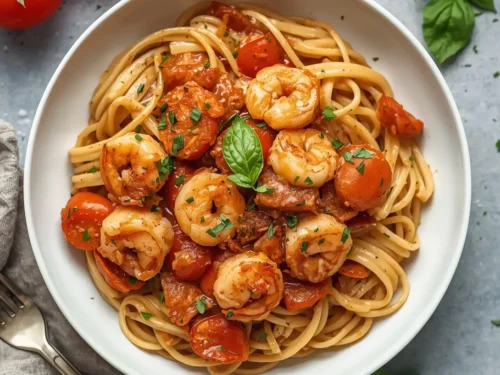
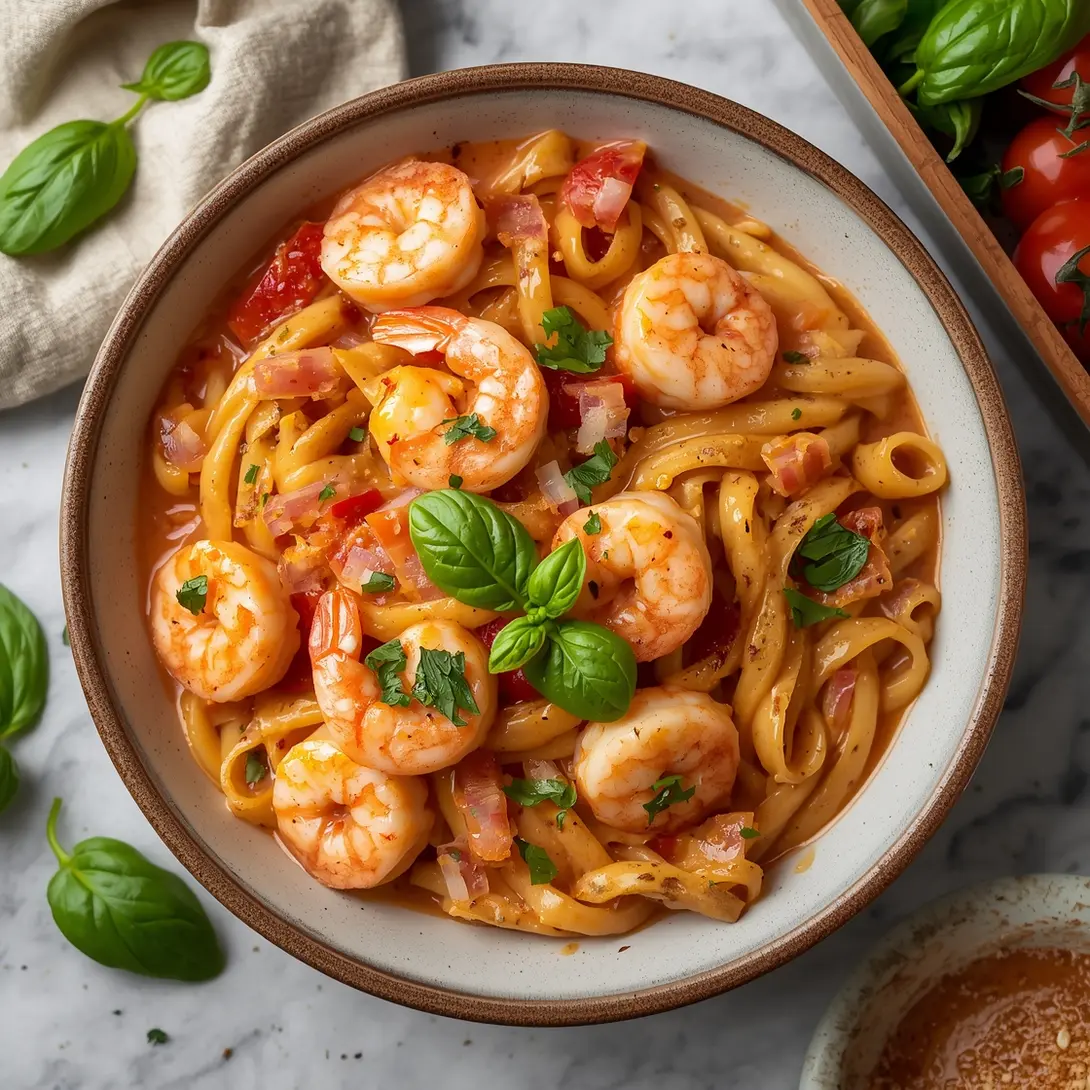
Classic Garlic Shrimp and Tomato Cream Pasta
This classic garlic shrimp and tomato cream pasta is a delicious and satisfying meal. It features succulent shrimp, a rich tomato cream sauce, and perfectly cooked linguine, making it an ideal dish for a weeknight dinner or a special occasion.
Ingredients
Equipment
Method
Cooking Pasta & Shrimp
- Cook linguine according to package directions, reserving 1 cup of pasta water before draining. Pat shrimp dry with paper towels and season with salt and pepper.
- Heat olive oil and 1 tablespoon butter in a large skillet over medium-high heat. Add shrimp and cook for 1-2 minutes per side until pink; remove and set aside.
Building the Sauce
- Add remaining 1 tablespoon butter to the skillet, then sauté minced garlic, diced shallot, and red pepper flakes for 1 minute until fragrant.
- Pour in white wine and simmer for 2-3 minutes, scraping up any browned bits from the bottom of the pan.
- Add San Marzano tomatoes, crushing them with a spoon. Bring to a simmer and cook for 5-7 minutes until slightly thickened.
- Stir in heavy cream and Parmesan cheese, simmering for 2-3 minutes until the sauce is creamy.
Combining Everything
- Add cooked linguine and shrimp back to the skillet with the sauce. Toss to combine, adding reserved pasta water as needed to reach desired consistency.
- Stir in fresh basil and lemon zest. Taste and adjust seasoning with salt and pepper as needed.
- Serve warm, garnished with toasted pine nuts or crushed walnuts, if desired.
Notes
For extra flavor, you can marinate the shrimp for 15 minutes in a little olive oil, garlic powder, and paprika before cooking. Serve with a side salad and crusty bread to complete the meal.