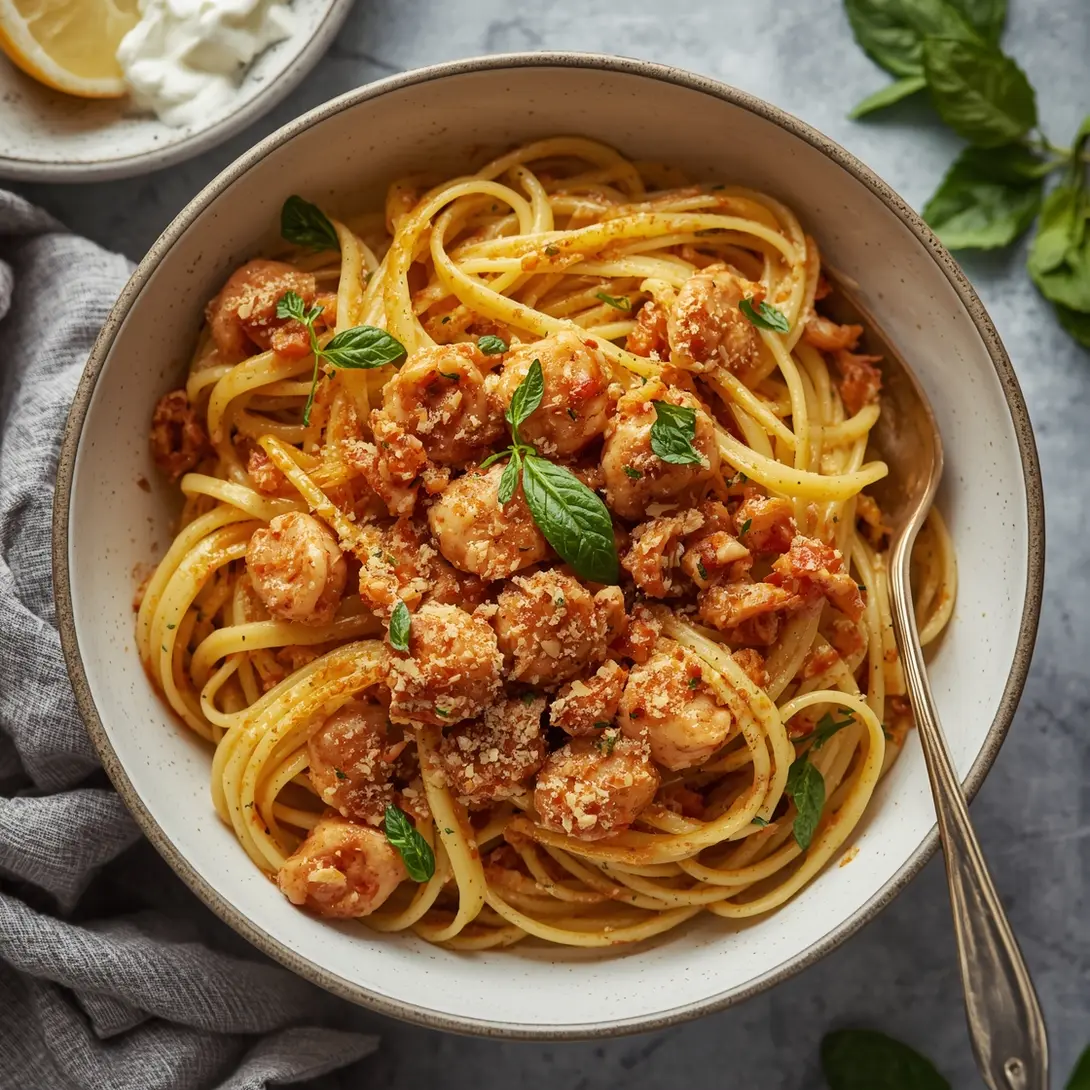
- Prep the pasta – cook spaghetti or linguine al dente while you build the sauce.
- Season the shrimp – a quick dusting of salt, pepper, and optional red‑pepper flakes readies them for the pan.
- Create the garlic‑butter base – butter, olive oil, and minced garlic melt together, releasing aromatic notes.
- Sauté the shrimp – they turn pink in just 1‑2 minutes per side, then rest while you finish the sauce.
- Combine everything – deglaze with white wine, swirl in lemon juice and Parmesan, toss the pasta, and reunite the shrimp for a final coat.
In a nutshell, you’re layering flavor: butter for richness, garlic for depth, wine for brightness, and lemon for a clean finish. The result is a glossy, silky sauce that clings to each noodle and shrimp.
—Key ingredients
Garlic Butter Shrimp Scampi Pasta: 5 Easy Steps to a Flavorful Italian DinnerIngredient Amount Notes / Substitutions Spaghetti or linguine 12 oz (340 g) Whole‑wheat or gluten‑free pasta works too Large shrimp, peeled & deveined 1 lb (450 g) 16–20 shrimp; can use peeled scallops for a twist Unsalted butter 4 Tbsp (60 ml) Replace half with olive oil for a lighter sauce Extra‑virgin olive oil 2 Tbsp (30 ml) Helps prevent butter from burning Fresh garlic, minced 4–5 cloves 1 tsp garlic powder can be used in a pinch Dry white wine ½ cup (120 ml) Use chicken broth + a splash of lemon juice if avoiding alcohol Fresh lemon, juiced 2 Tbsp Lemon zest adds extra aroma Crushed red‑pepper flakes ¼ tsp (optional) Adjust to taste for heat Fresh parsley, chopped 2 Tbsp Substitute with basil or cilantro for a different herb profile Freshly grated Parmesan cheese ¼ cup (plus extra for serving) Pecorino Romano works as a sharper alternative Salt & freshly ground black pepper to taste Kosher salt preferred for seasoning the pasta water
—Directions to follow
- Boil the pasta. – Bring a large pot of salted water to a rolling boil. – Add the spaghetti and cook 1‑2 minutes less than package instructions (usually 8‑9 minutes) so it stays al‑dente. – Reserve 1 cup of pasta water, then drain and set aside.
- Season the shrimp. – Pat the shrimp dry with paper towels. – Sprinkle both sides with salt, pepper, and the optional red‑pepper flakes.
- Build the garlic‑butter base. – In a wide, shallow skillet, heat the butter and olive oil over medium heat. – Add the minced garlic and sauté 30 seconds, stirring constantly to avoid burning.
- Sauté the shrimp. – Place the shrimp in the skillet in a single layer. – Cook 1‑2 minutes per side, until they turn pink and opaque. – Transfer the shrimp to a plate and cover loosely with foil to keep warm.
- Deglaze and brighten. – Pour the white wine into the skillet, scraping the browned bits from the bottom with a wooden spoon. – Let the wine reduce by half, about 2‑3 minutes. – Stir in the lemon juice, then add the cooked pasta.
- Create the silky sauce. – Toss the pasta with a splash of the reserved pasta water (start with ¼ cup). – Add the grated Parmesan and continue tossing until the sauce coats the noodles evenly. – If the sauce looks dry, add more pasta water a tablespoon at a time.
- Finish the dish. – Return the shrimp to the skillet, nestling them among the pasta. – Sprinkle the chopped parsley over everything. – Give the pan one final toss, then remove from heat.
- Plate and serve.
– Divide the pasta among warm bowls.
– Top each serving with an extra drizzle of melted butter, a pinch of Parmesan, and a lemon wedge on the side.
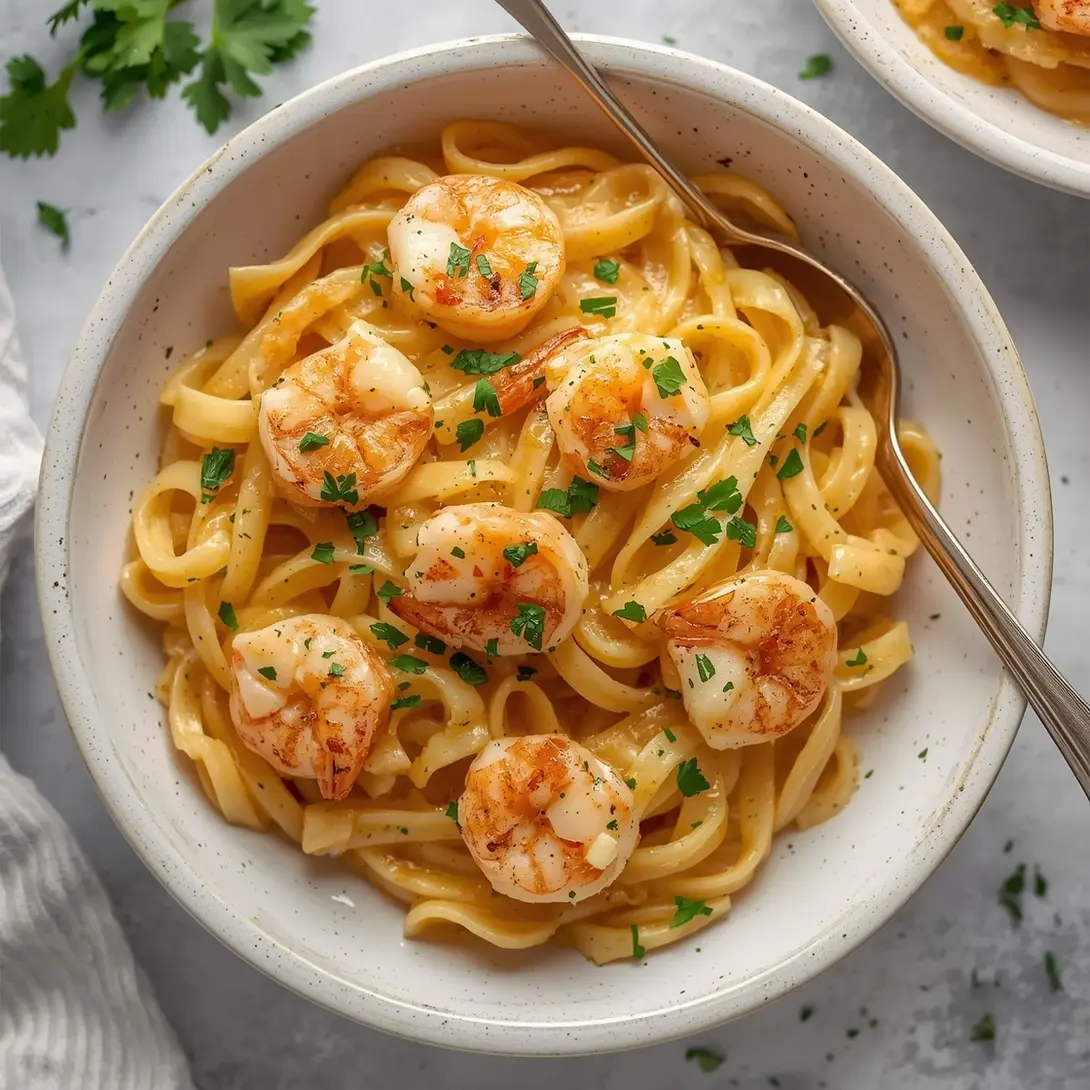
Enjoy your Garlic Butter Shrimp Scampi Pasta while it’s still steaming hot—the butter will stay glossy, the garlic aromatic, and the shrimp perfectly tender.
—[FINAL_IMAGE]
Serving ideas & plating tips
– Twirl, don’t pile. Use a large fork and a spoon to create a neat twirl of pasta in the center of each plate. This classic Italian presentation showcases the glossy sauce. – Citrus sparkle. Add a thin lemon zest ribbon over the top for a burst of color and an extra citrus note. – Herb crown. A small bunch of fresh parsley or basil placed on the rim adds visual contrast and a fresh aroma. – Side companions. Pair with a light arugula salad dressed in lemon‑olive oil, roasted asparagus, or a simple garlic‑bread crouton to soak up any leftover sauce. – Wine match. A chilled Sauvignon Blanc or Pinot Grigio cuts through the butter while echoing the wine used in the sauce.
—Keeping leftovers fresh
– Refrigeration: Transfer any leftovers to an airtight container within two hours of cooking. Store in the refrigerator for up to 3 days. – Reheating: Warm gently in a skillet over low heat, adding a splash of chicken broth or reserved pasta water to revive the sauce. Microwave on 50 % power in 30‑second bursts, stirring in between, for a quick fix. – Freezing: The pasta and shrimp freeze well separately. Portion the sauce (butter, garlic, wine, lemon) into a freezer‑safe bag, label, and freeze for up to 2 months. Thaw overnight in the fridge, then gently reheat in a skillet, adding fresh butter and a squeeze of lemon. – Safety note: Shrimp should never sit at room temperature longer than one hour. When reheating, ensure the internal temperature reaches 165 °F (74 °C) to eliminate any bacterial risk.
—Extra advice
- Dry shrimp, dry pan. Pat the shrimp dry; excess moisture will steam rather than sear, compromising the pink color and texture.
- Don’t overcook the garlic. Garlic burns at a low temperature, turning bitter. Keep the heat moderate and stir constantly during the 30‑second sauté.
- Wine reduction matters. Reducing the wine concentrates its acidity and sweetness, preventing a watery sauce. If you prefer a less acidic profile, finish the reduction with a teaspoon of honey or a pinch of sugar.
- Use pasta water wisely. The starches in the reserved water emulsify the butter, giving the sauce its characteristic silkiness. Add in small increments to control consistency.
- Finish with cold butter. For a glossy, restaurant‑style finish, whisk in a tablespoon of cold butter right before plating—this “mount” technique adds shine and depth.
—Recipe variations
Variation How to adapt Spicy Chipotle Scampi Replace red‑pepper flakes with ½ tsp chipotle chili powder and add a splash of adobo sauce. Creamy Tomato Scampi Stir in ¼ cup heavy cream and ½ cup canned crushed tomatoes after deglazing; simmer 2 minutes before adding pasta. Lemon‑Herb Scampi Add zest of one extra lemon and a handful of chopped fresh thyme or oregano for a bright herbaceous twist. Coconut‑Curry Scampi Swap butter for coconut oil, add 1 tsp curry powder, and finish with ¼ cup coconut milk for an Asian‑fusion spin. Veggie‑Boosted Scampi Toss in sliced cherry tomatoes, baby spinach, or roasted zucchini during the final toss for added nutrition and color. Gluten‑Free / Low‑Carb Use shirataki noodles or zucchini “zoodles” in place of traditional pasta; reduce the pasta water accordingly. Vegan “Scampi” Substitute shrimp with king oyster mushroom strips, use vegan butter and nutritional‑yeast Parmesan, and keep the white wine reduction.
Feel free to experiment—each variation keeps the core principle of buttery garlic goodness while offering a fresh flavor dimension.
—Your questions answered
Q1: How long does the whole recipe take from start to finish? A: About 25‑30 minutes total: 10‑12 minutes for pasta, 12‑15 minutes for the sauce and shrimp, and a few minutes for plating.
Q2: Can I use frozen shrimp instead of fresh? A: Yes. Thaw frozen shrimp overnight in the refrigerator or place them in a sealed bag under cold running water for 10‑15 minutes. Pat dry thoroughly before seasoning to avoid excess water in the pan.
Q3: I’m allergic to dairy. Is there a dairy‑free version? A: Absolutely. Replace butter with the same amount of high‑quality olive oil or a dairy‑free butter alternative. Omit Parmesan or use a vegan Parmesan substitute. The sauce will remain rich thanks to the olive oil and wine.
Q4: What side dish pairs best with this scampi pasta? A: A crisp arugula salad with lemon vinaigrette, roasted broccoli rabe, or a simple garlic‑roasted cauliflower provide complementary textures and balance the butteriness.
Q5: How can I make this recipe more kid‑friendly? A: Reduce or skip the red‑pepper flakes, keep the lemon juice mild, and let kids sprinkle their own grated cheese. Serving the pasta in fun, colorful bowls can also make it more appealing.
—
There you have it—a complete, SEO‑ready guide to mastering Garlic Butter Shrimp Scampi Pasta in just five easy steps. Whether you’re feeding a busy family, impressing guests, or simply treating yourself to a taste of Italy, this recipe delivers restaurant‑level flavor without the wait. Bon appétit!
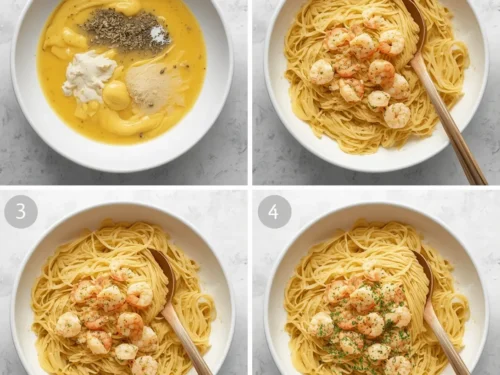
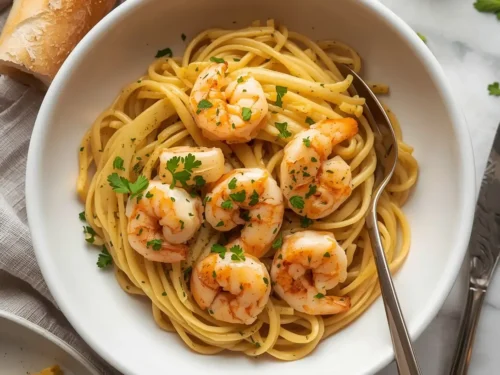
Classic Garlic Butter Shrimp Scampi Pasta
This classic dish features large shrimp cooked in a delectable garlic butter sauce with white wine and lemon juice, served over perfectly al dente spaghetti or linguine, and garnished with fresh parsley and Parmesan.
Ingredients
Equipment
Method
Cooking Steps
- Cook the spaghetti or linguine according to package directions in a large pot of salted boiling water, reserving about a cup of the starchy pasta water before draining.
- While the pasta cooks, melt butter with olive oil in a large skillet over medium heat. Add the minced garlic and sauté until fragrant, about 1 minute, being careful not to burn it.
- Add shrimp to the skillet in a single layer and cook for 2-3 minutes per side until they turn pink and opaque. Remove the cooked shrimp from the skillet and set aside.
- Pour the dry white wine into the hot skillet, scraping up any browned bits from the bottom. Stir in the fresh lemon juice and crushed red-pepper flakes (if using), and let it simmer for 1-2 minutes to reduce slightly.
- Return the cooked shrimp to the skillet with the sauce. Add the drained pasta and about half of the reserved pasta water, tossing everything together to coat the pasta in the sauce, adding more pasta water as needed to reach desired consistency.
- Stir in the fresh chopped parsley and freshly grated Parmesan cheese. Season with salt and freshly ground black pepper to taste. Serve immediately, garnished with extra Parmesan cheese.
Notes
For best results, use fresh, good-quality shrimp and a dry white wine like Pinot Grigio or Sauvignon Blanc. Be careful not to overcook the shrimp, as they can become rubbery quickly. The reserved pasta water helps to emulsify the sauce and make it cling to the pasta beautifully.